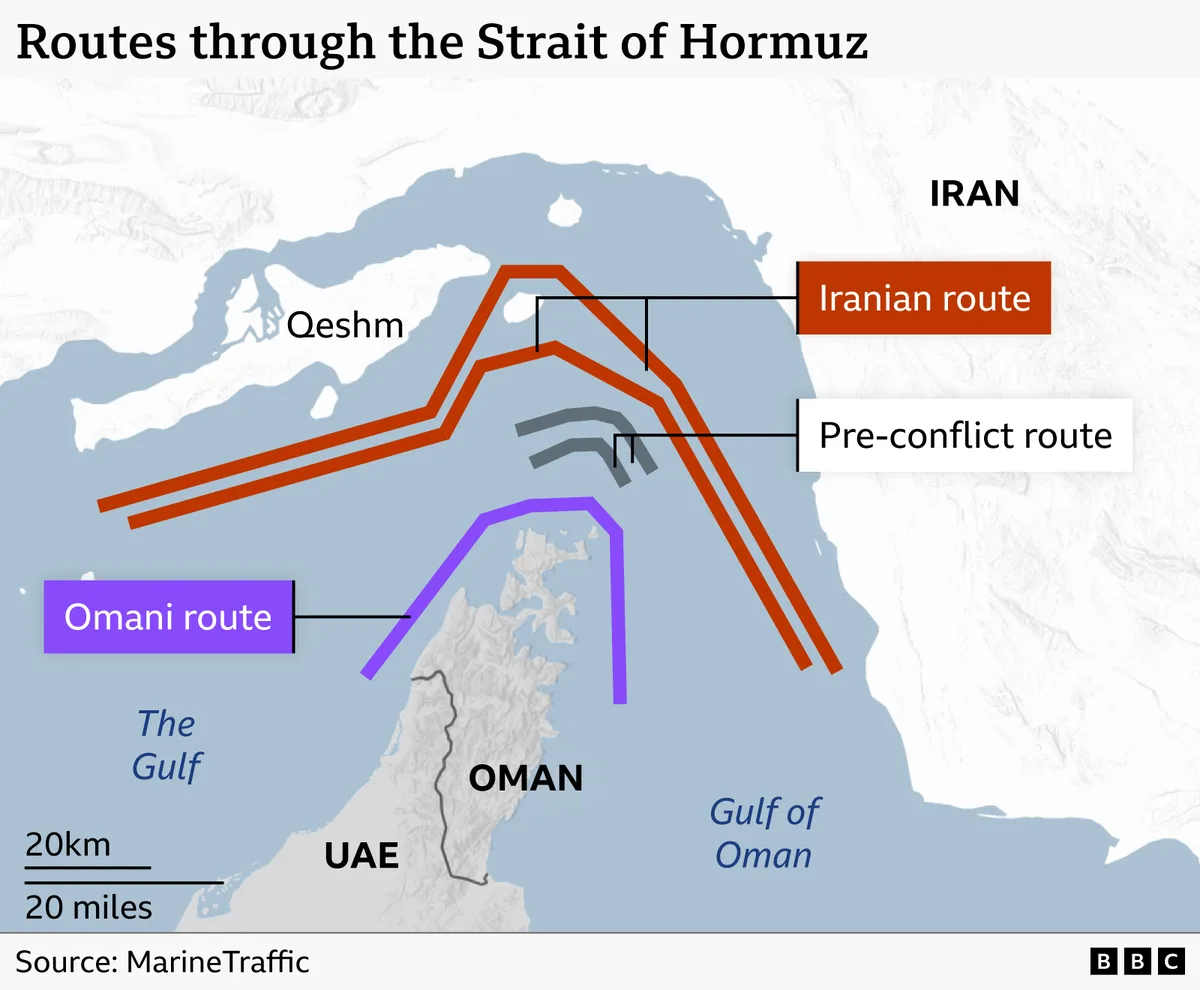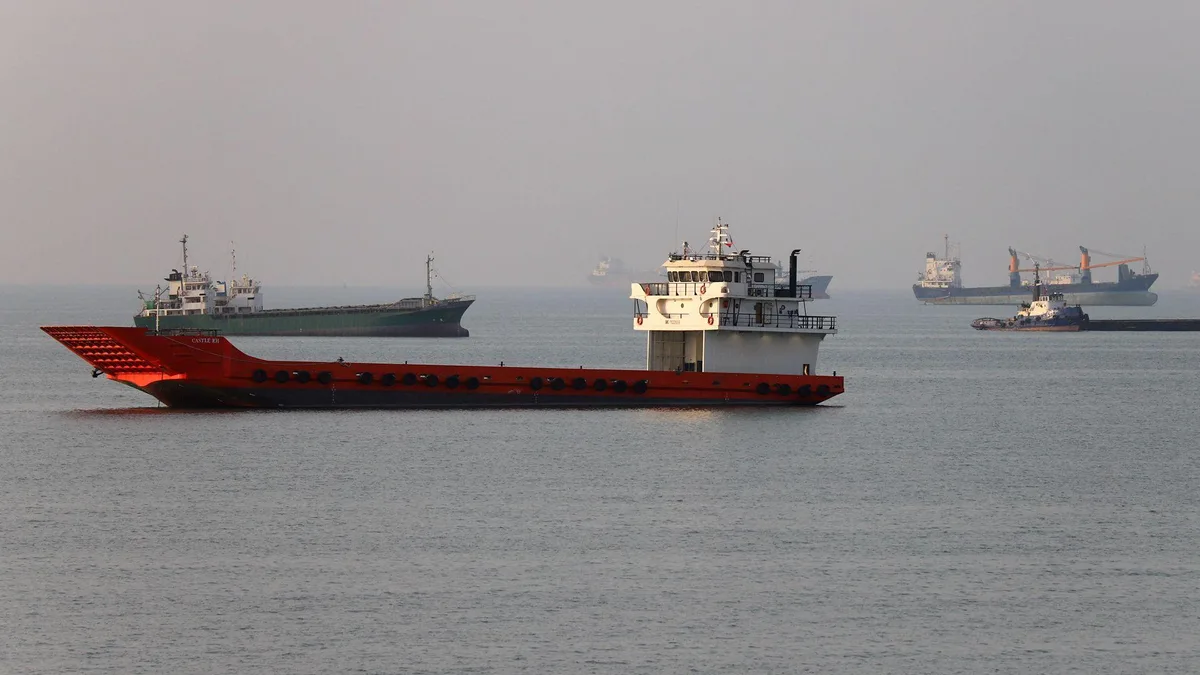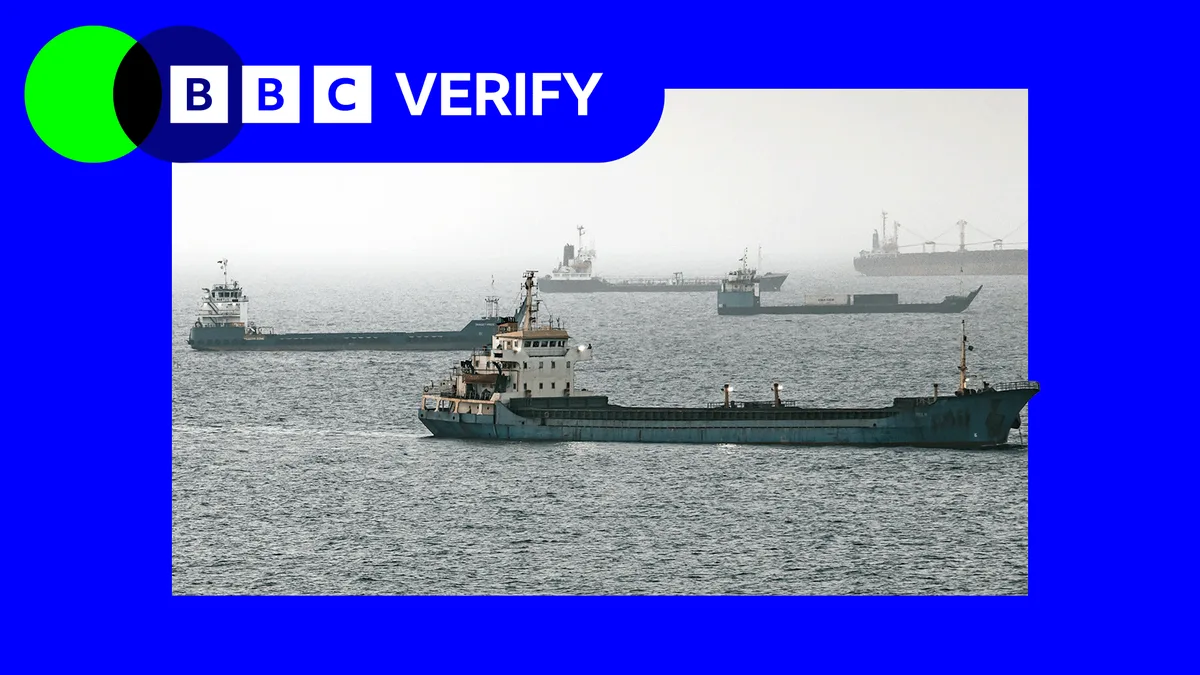
The United States launched a series of powerful military strikes against Iranian targets starting July 7, 2026, in response to attacks on three commercial vessels transiting the Strait of Hormuz [1, 2, 3, 4, 5, 6, 7, 8]. The commercial ships were operating on a US-recommended route through Omani waters when they came under projectile attack within a 24-hour period on July 6 and 7 [1, 9, 10]. No casualties were reported from the attacks on the vessels [1, 10].
US Central Command stated the strikes aimed to impose heavy costs on Iran for targeting commercial shipping and violating the ceasefire agreement signed June 17, 2026 [1, 2, 3, 4, 5, 6, 7, 8]. Iran denies responsibility for the attacks on tankers and condemned the US strikes as violations of the ceasefire, vowing decisive retaliation [1, 2, 3, 6, 7, 8]. A spokesman said, "Iran is issuing a stern warning for the consequences of US breaches and will take decisive measures to protect national interests" [7]. Iranian Foreign Minister Abbas Araghchi added, "We do not answer vulgarity with vulgarity, but with action: fearlessly and with great valour" [3].
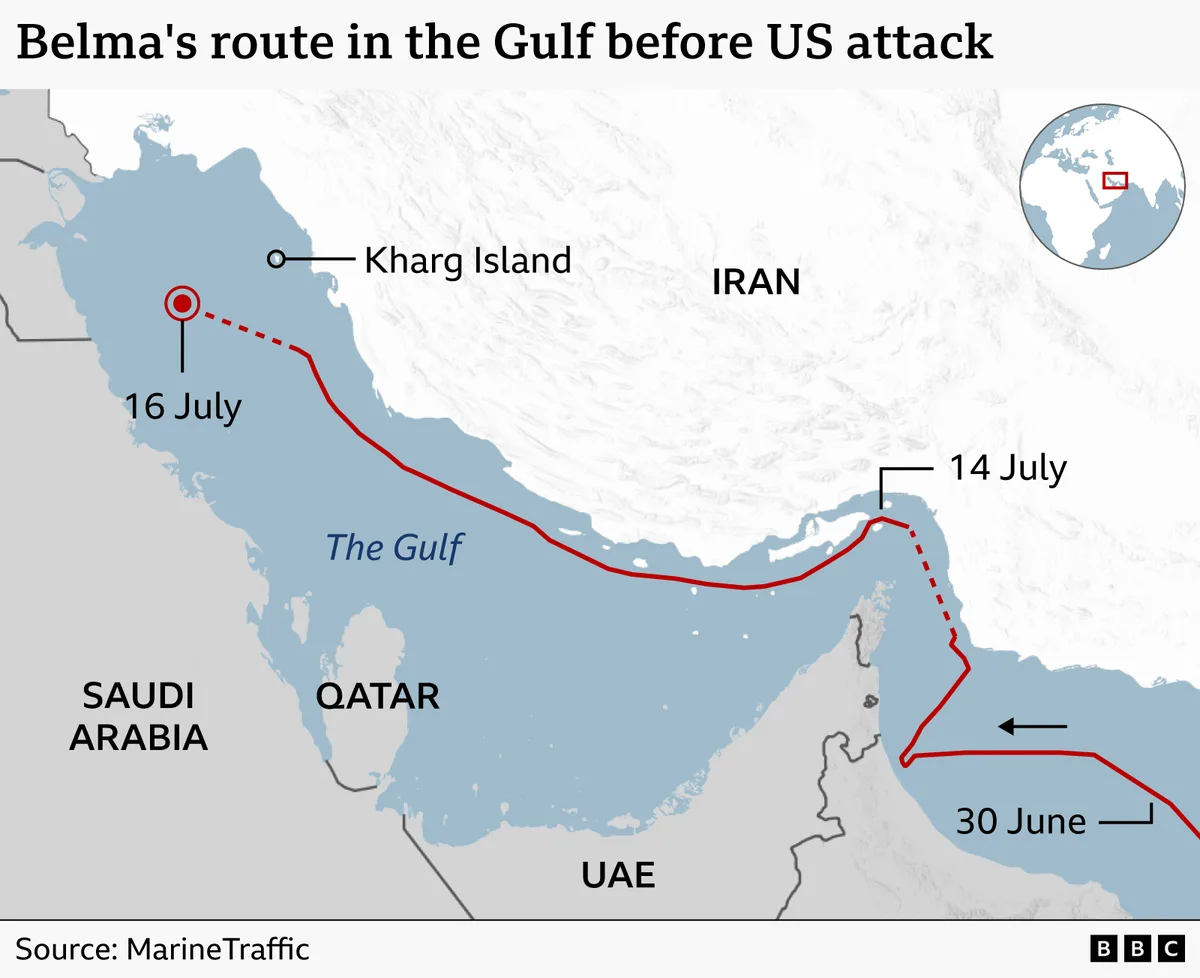
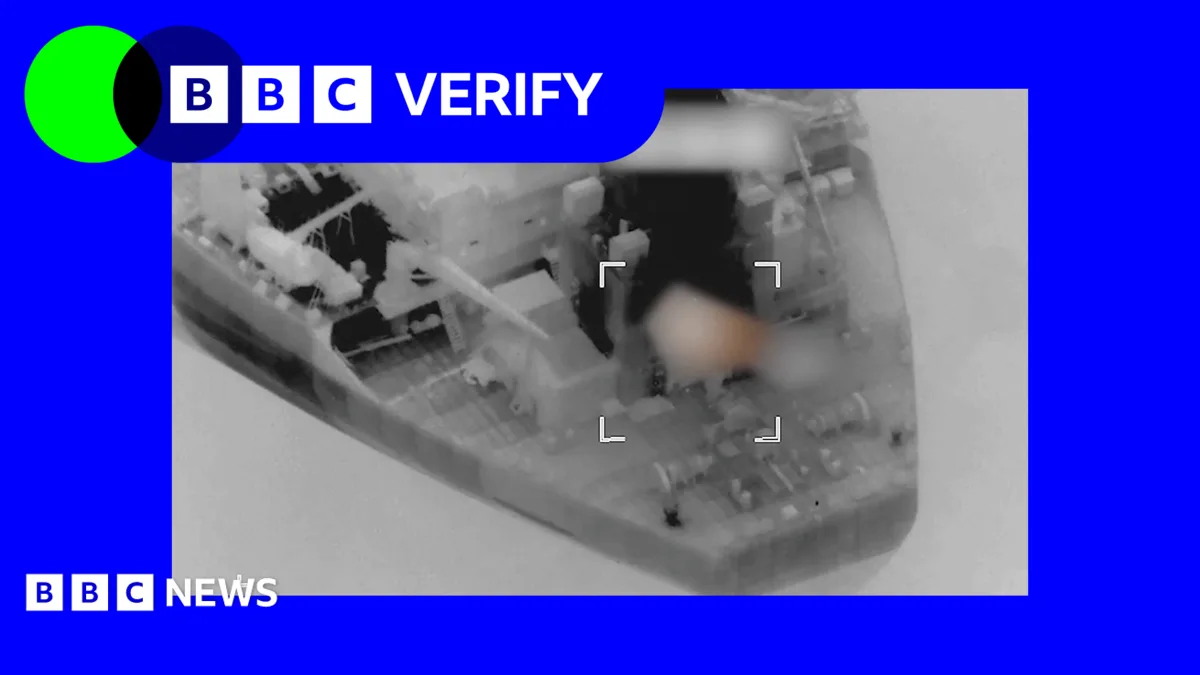
The ceasefire agreement signed June 17 called for a 60-day halt to hostilities, safe passage of vessels through the Strait, and partial lifting of sanctions including a temporary waiver for Iranian oil sales [1, 11, 3, 6]. However, the US revoked the temporary waiver early on July 7, moving the wind-down deadline from August 21 to July 17 [1, 6, 7, 8]. Alongside the strikes, the US reimposed a naval blockade on Iranian ports, disabling an oil tanker named Belma near Iran’s Kharg Island with Hellfire missiles after it ignored warnings [12].
Iranian state media reported explosions in southern port cities including Bandar Abbas, Sirik, and Qeshm Island coinciding with the US strikes. Officials confirmed six projectiles struck the Taheroui pier area in Sirik on July 7 during the attacks [2, 3, 4, 5, 7, 8].
The three commercial vessels attacked included the Qatari-owned tanker Al Rekayyat, struck within the Strait of Hormuz according to UK Maritime Trade Operations [1, 7, 8, 10]. Qatar’s foreign ministry held Iran fully responsible for the targeted attack on Al Rekayyat [1]. Iran carried out missile strikes on at least two commercial ships on July 6 before US retaliation, severely damaging them but causing no casualties [10].
The attacks and counterstrikes caused tanker traffic through the Strait to fall sharply, with only 23 ships passing on July 7 compared to 47 a week earlier [9]. The escalation reignited conflict shortly after the US-Iran ceasefire started in mid-June. US President Donald Trump declared the ceasefire "over" and criticized Iranian leadership harshly following Iran’s retaliatory attacks on US military sites, saying, "I think it's over. I don't want to deal with them anymore they're scum ... they're led by sick people and they're vicious, violent people. ... As far as I'm concerned, it's over." [11, 3]
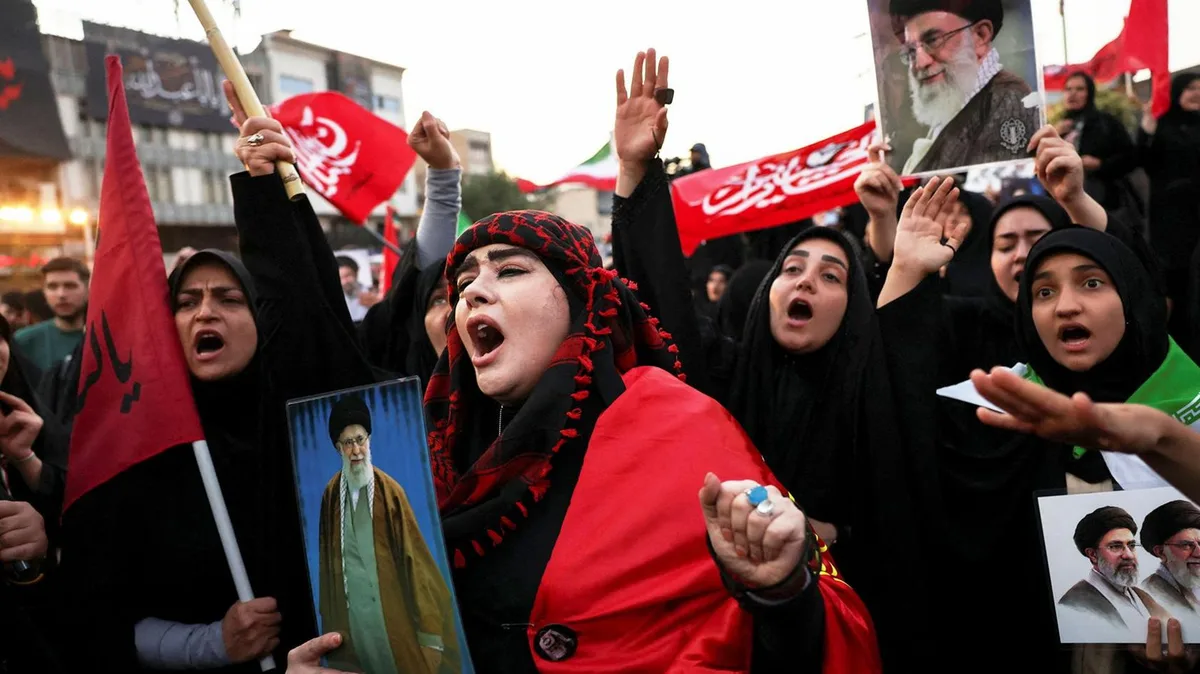
Public funeral ceremonies for Iran’s late Supreme Leader Ayatollah Ali Khamenei in early July also intensified anti-US sentiment and disrupted ongoing ceasefire talks [11, 10].
The US military operations and blockade remain active as the July 17 deadline for sanctions relief wind-down approaches. Both sides appear poised for continued confrontation in the coming weeks.