US forces fired missiles last week at the Palau-flagged MT Settebello, killing three Indian nationals and attacking two other commercial vessels carrying Indian sailors in the Strait of Hormuz, alleging violations of blockade measures against Iranian ports [1, 2]. The attacks triggered a diplomatic crisis, causing a sharp deterioration in US-India relations [1, 2].
India summoned the US acting chargé d’affaires twice within three days to protest the incidents. Indian Foreign Minister Jaishankar held a tense phone call with US Senator Rubio as the countries sought damage control [2]. Meanwhile, opposition leaders in India criticized Prime Minister Narendra Modi's government for being too weak in its response. Rahul Gandhi accused Modi of silence and compliance, saying, "A free country would never tolerate such remarks. But our constrained Prime Minister? He remained silent. They listen obediently like servants, then obey orders" [2].
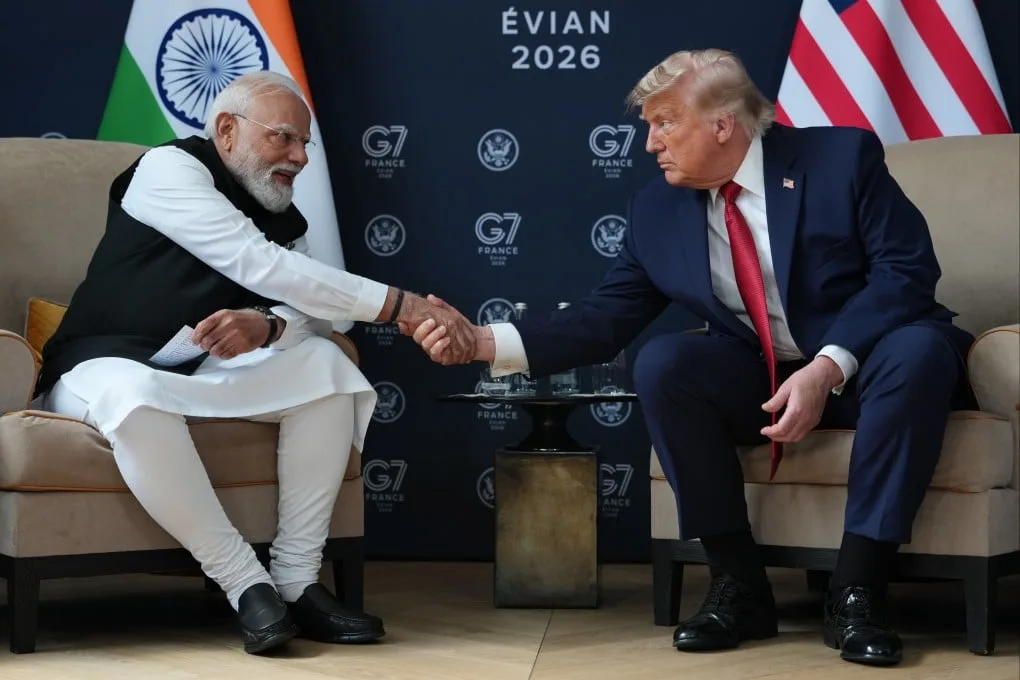
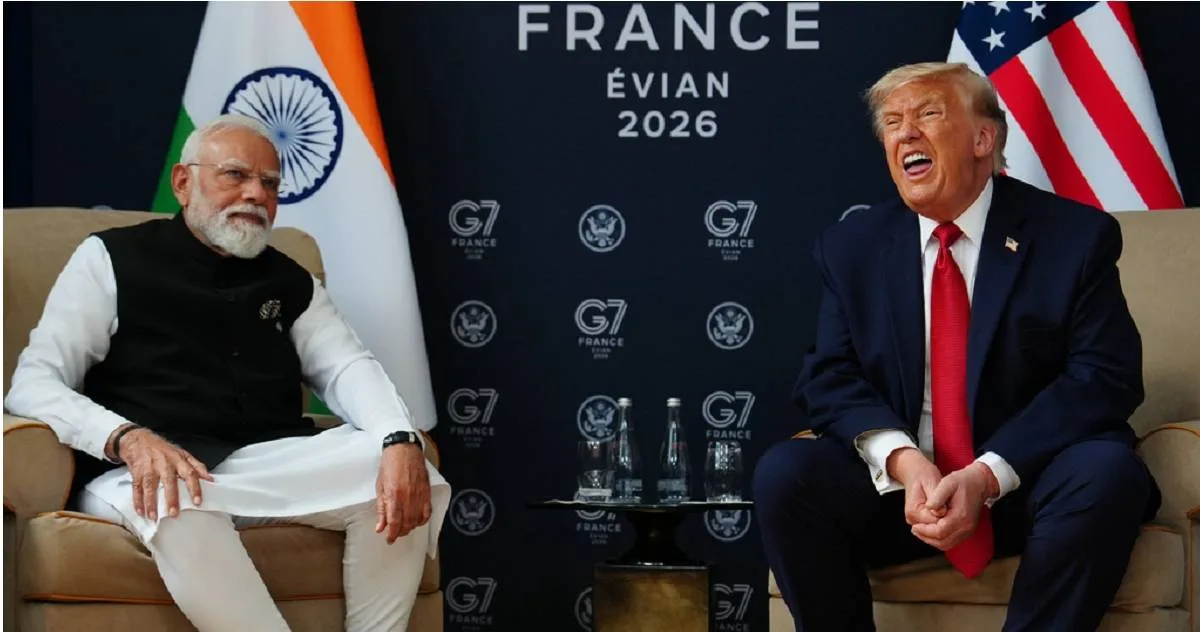
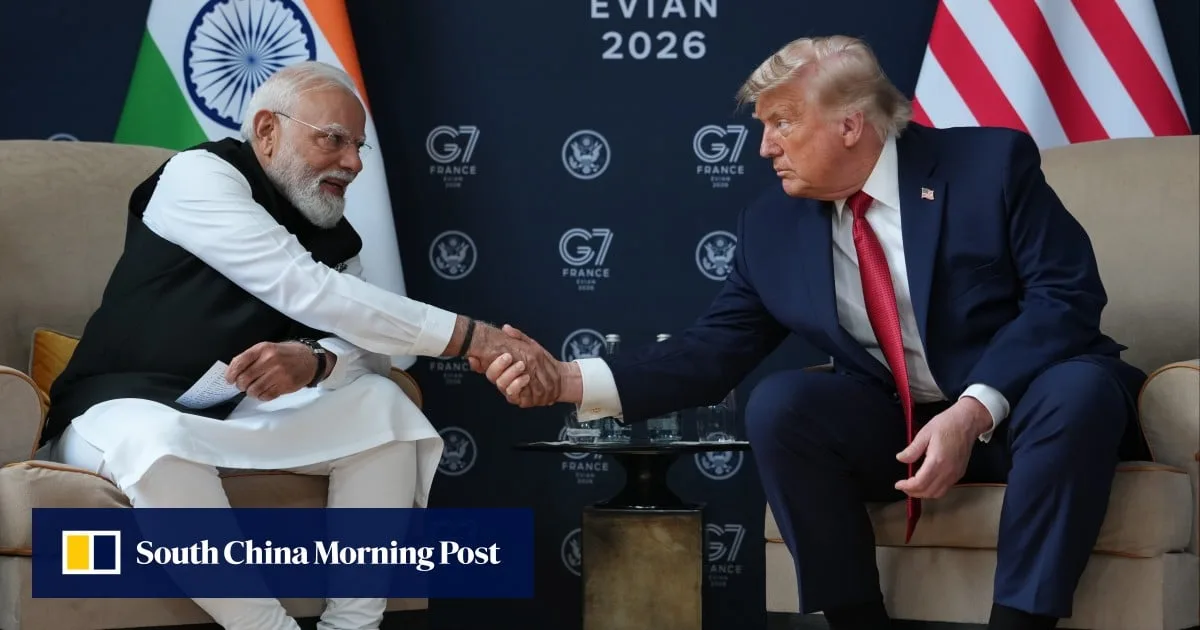
On September 5, President Donald Trump and Modi held their first bilateral meeting in 16 months. During the talks, Trump expressed no regret for the deaths, describing commercial vessel operations as "a rough profession" and stating, "I heard about that. This has been happening throughout time, but we work together. We love all of those people, and they’re great people" [1]. Modi emphasized the high priority given to the safety of Indian seafarers while discussing implementation of the bilateral agreement [1].
Trump praised US-India defense ties and promised assistance if India faces a crisis despite the lack of a formal defense treaty, saying, "We between us have no formal treaty, but if they are attacked, we will be there to help them" [2]. However, analysts and officials viewed the tone as dismissive given recent tensions.
Trade negotiations between the US and India continue following their meeting in February 2025 [2]. Trump's previous visit to Beijing without a stop in New Delhi was seen as a snub to India [2]. Further straining ties, the Pentagon announced plans to rename USINDOPACOM back to USPACOM on September 16, a symbolic downgrade of US-India military relations [2].
The next scheduled milestone is the Pentagon's official renaming of the command on September 16, underscoring continuing shifts in the bilateral military relationship.