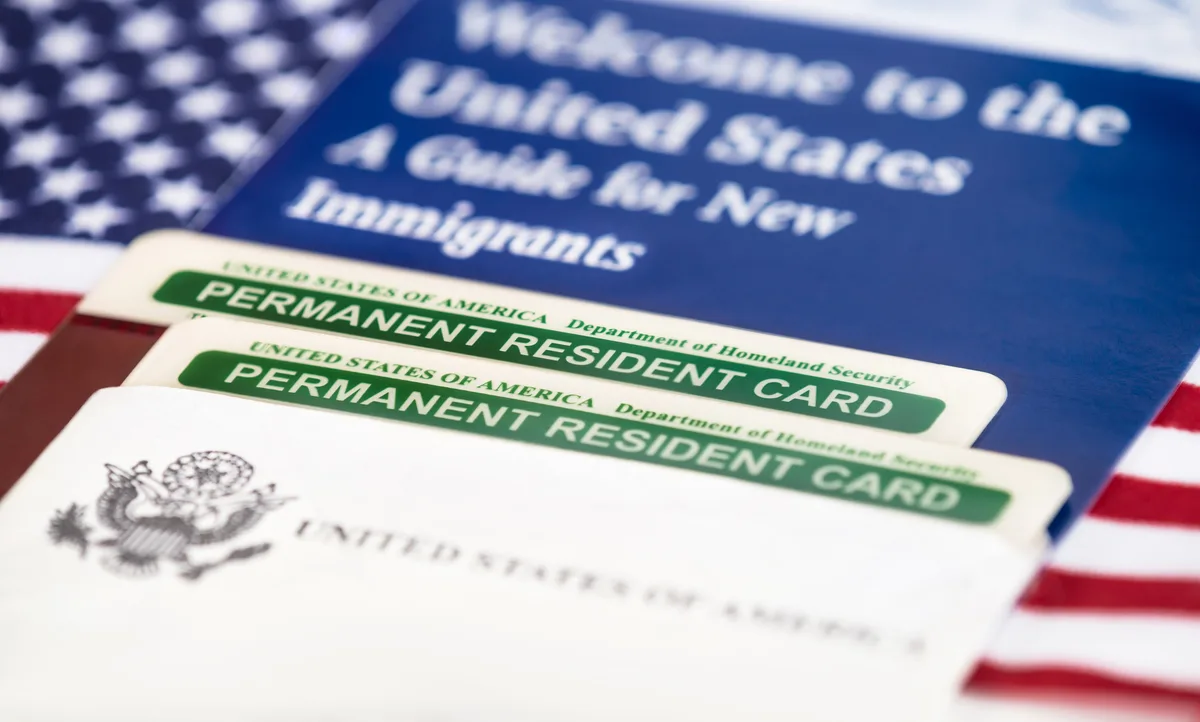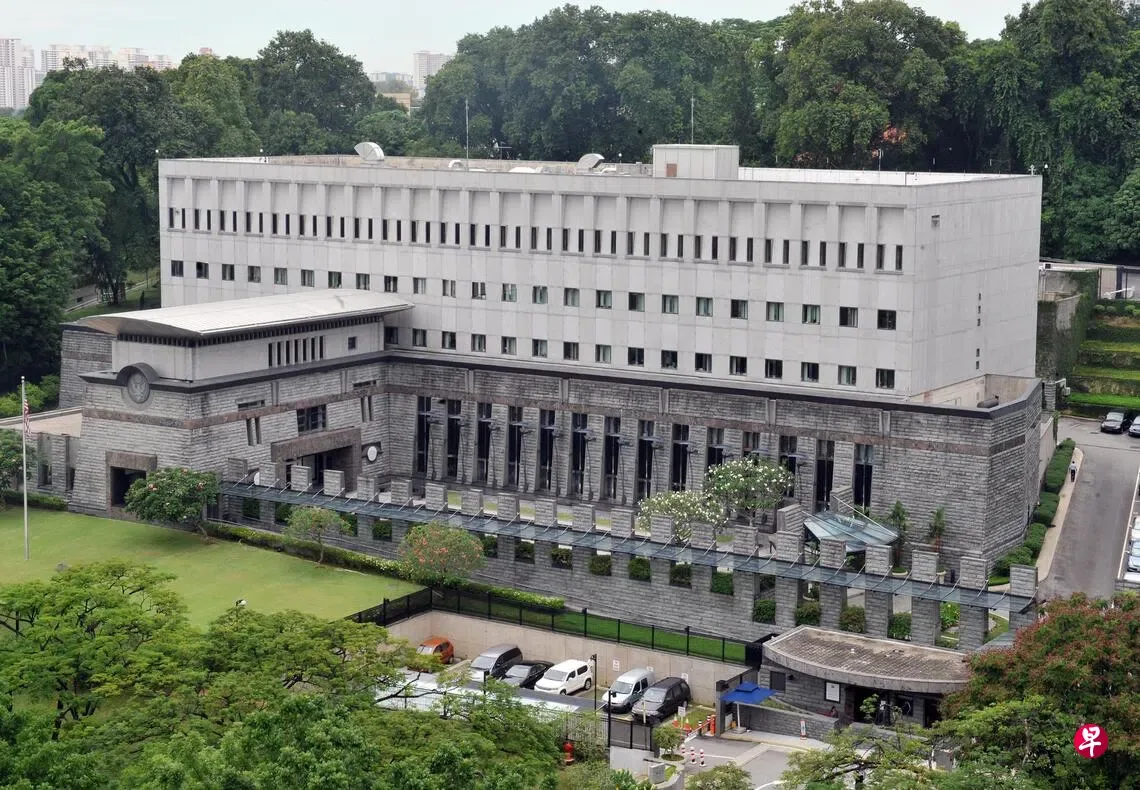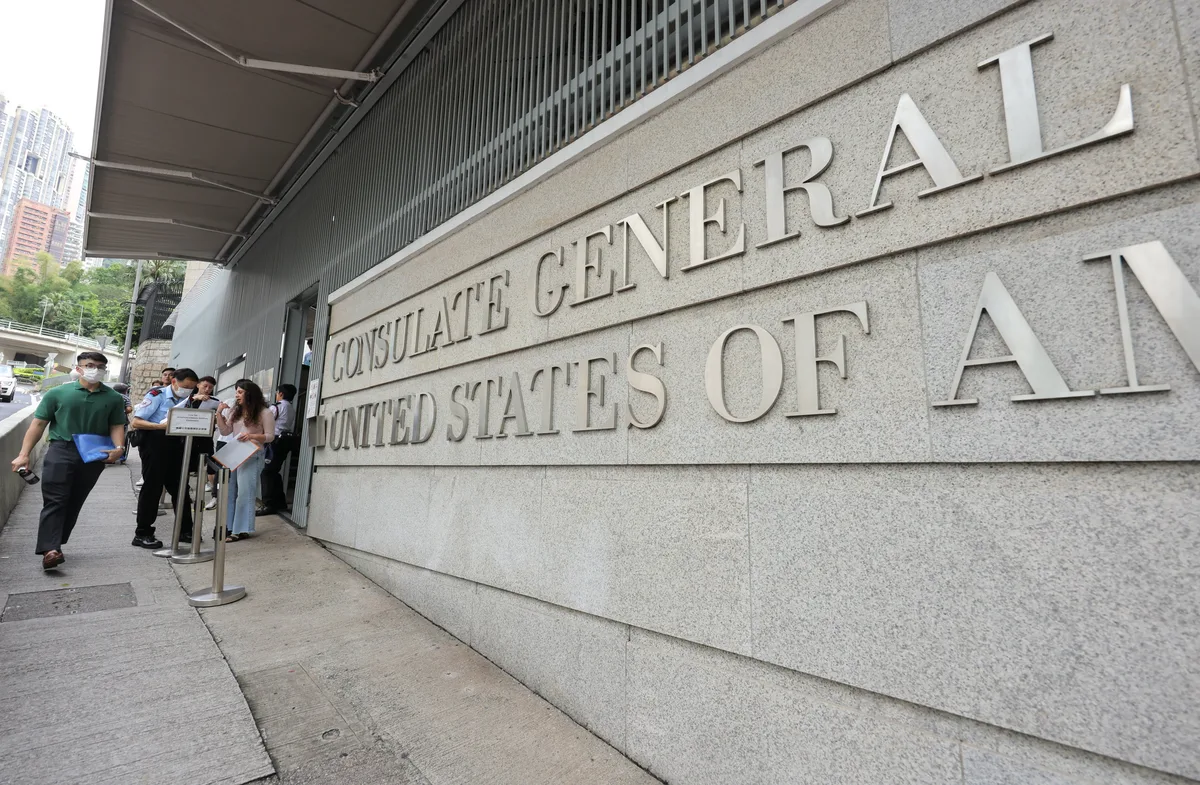
The Trump administration announced a global pause on immigrant visa interview appointments at all U.S. embassies and consulates starting August 25, 2026, to conduct in-depth training for consular officers [1, 2, 3, 4]. Scheduled appointments already arranged have been postponed or rescheduled, with affected applicants notified by email [1, 2, 3, 5, 6, 7]. This pause is indefinite, with the resumption timeline varying by location and potentially lasting weeks [8, 9].
The training focuses on helping consular officers evaluate visa applicants more comprehensively and consistently, with a key goal of identifying individuals likely to become dependent on U.S. public benefits, often referred to as "public charge" concerns [1, 2, 3, 4, 10]. A U.S. State Department spokesperson said, "A more prosperous America means ensuring that visa applicants are not likely to become a public charge, as defined under US law and regulation..." [9].
The pause applies only to immigrant visas; processing of travel, student, business, and temporary work visas continues without interruption [8]. The administration has also proposed permanent high fees on certain work visas such as new H-1B petitions, with suggested fees reaching $103,265 [1, 11].
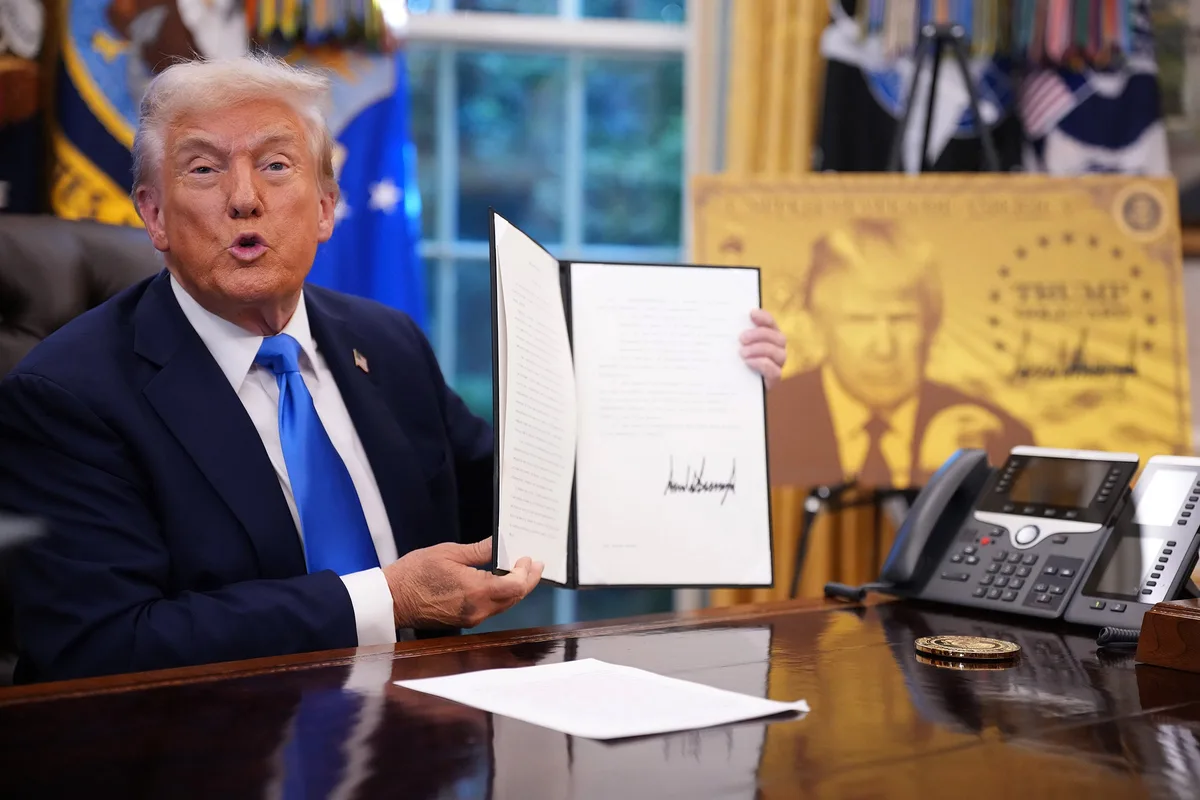
The suspension and new vetting measures follow the Trump administration's aggressive immigration policy during its second term, which has included revoking or rejecting visas and green cards for reasons including political opinions and participation in protests [1, 2, 3, 4, 10]. Since January 2025, an estimated 175,000 visas have been revoked, with plans to revoke up to 200,000 more for certain asylum seekers [8]. The administration has defended the crackdown as necessary to improve domestic security. President Donald Trump said, "The crackdown aims to improve domestic security" [1].
Human rights groups have widely condemned the crackdown as discriminatory and a violation of free speech and due process rights, raising concerns about racial profiling [1, 2, 3, 4]. Immigrant visa applicants in China and Hong Kong have expressed frustration and panic over the indefinite postponements. Willis Fu Yiu-wai, an immigration consultant, said, "They are really panicked, because they have paid the application fee and some have been through the process for two to three years, and the final step is the interview at the consulate" [5, 6, 7]. Attorney Brian Simmons noted that many applicants "had already spent thousands of dollars and disrupted their lives to attend scheduled interviews, only to have their appointments cancelled at the last minute" [9]. At least 100 immigrant visa applicants in Hong Kong alone have been affected [7].
A U.S. federal judge ruled on August 21, 2026, against a Trump administration policy suspending immigrant visa issuance from 75 countries, declaring it exceeded the Secretary of State’s authority [1, 2, 3, 4, 8]. Despite the ruling, the global pause on interviews remains in effect.
Historical data shows visa processing pauses can severely impact visa issuance and international student enrollments. For example, a one-month pause between May and August 2025 caused a 36% drop in F-1 student visas and a 17% decrease in new international student enrollment [12]. Visa issuance from India dropped 60% after a prior pause [12].
The next key development will be when the State Department lifts the global pause and resumes normal immigrant visa operations, an event currently without a set date [8, 9].