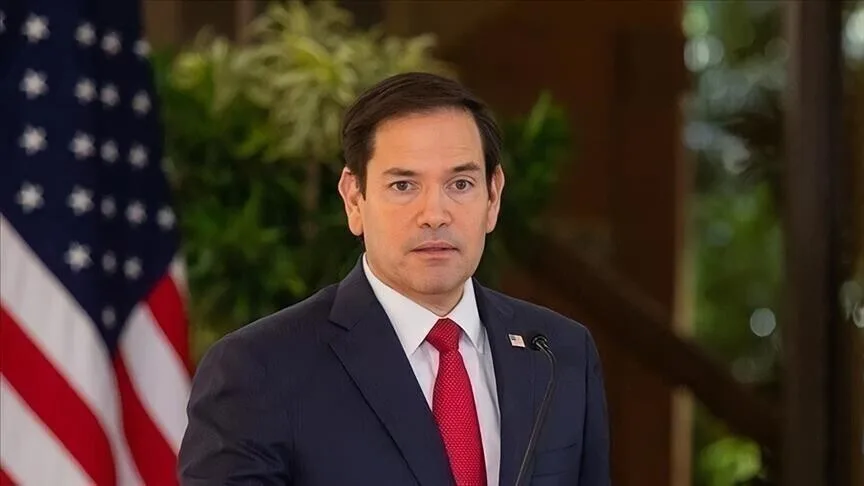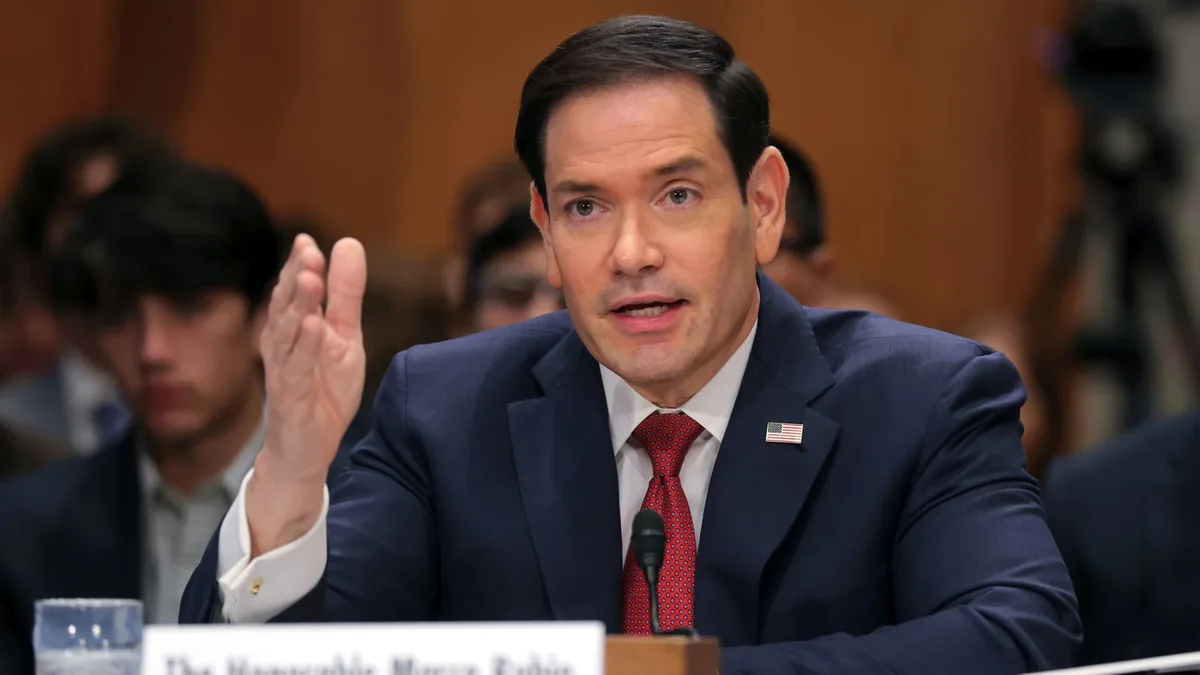
US Secretary of State Marco Rubio said on June 2, 2026, that Iran has agreed to negotiate parts of its nuclear program that it previously refused to discuss. He testified publicly before the Senate Foreign Relations Committee, expressing hope negotiations could begin imminently—"today," "tomorrow," or "next week" [1, 2].
Rubio emphasized the reopening of the Strait of Hormuz as central to any deal and regional de-escalation. He said Iran must announce that it will no longer fire on or charge tolls for commercial ships in the strait to allow safe passage and reopening. He criticized Iran's recent actions there as "unlawful and illegal," adding the world opposes them [1, 2].
Regarding sanctions relief, Rubio said it has not been discussed in these talks. Any relief would be conditional on Iran making verifiable progress in its nuclear program, reflecting the original reason for sanctions [2].
Rubio described Iran’s buildup of missiles, drones, and naval assets used to shield its nuclear program as a direct threat that justifies ongoing US military action. He recalled Iranian warnings to "overwhelm you with missiles, drones, and our navy" if attacked [1]. Operation Epic Fury, a US military effort, has been successful in reducing Iran’s missile and drone capabilities but Iran still retains many drones [1].
The ongoing conflict traces back to US and Israeli airstrikes against Iran that began on February 28, 2026. Rubio’s June 2 testimony comes amid growing concern in Congress, including from Senator Jeanne Shaheen, about the war’s authorization and the administration’s power to continue it without further oversight [1].
Rubio also noted, "Talks with Iran are not like talks with Switzerland. They require the use of intermediators" to progress [1]. The next step will be whether Iran agrees to formally initiate these nuclear negotiations in the coming days.