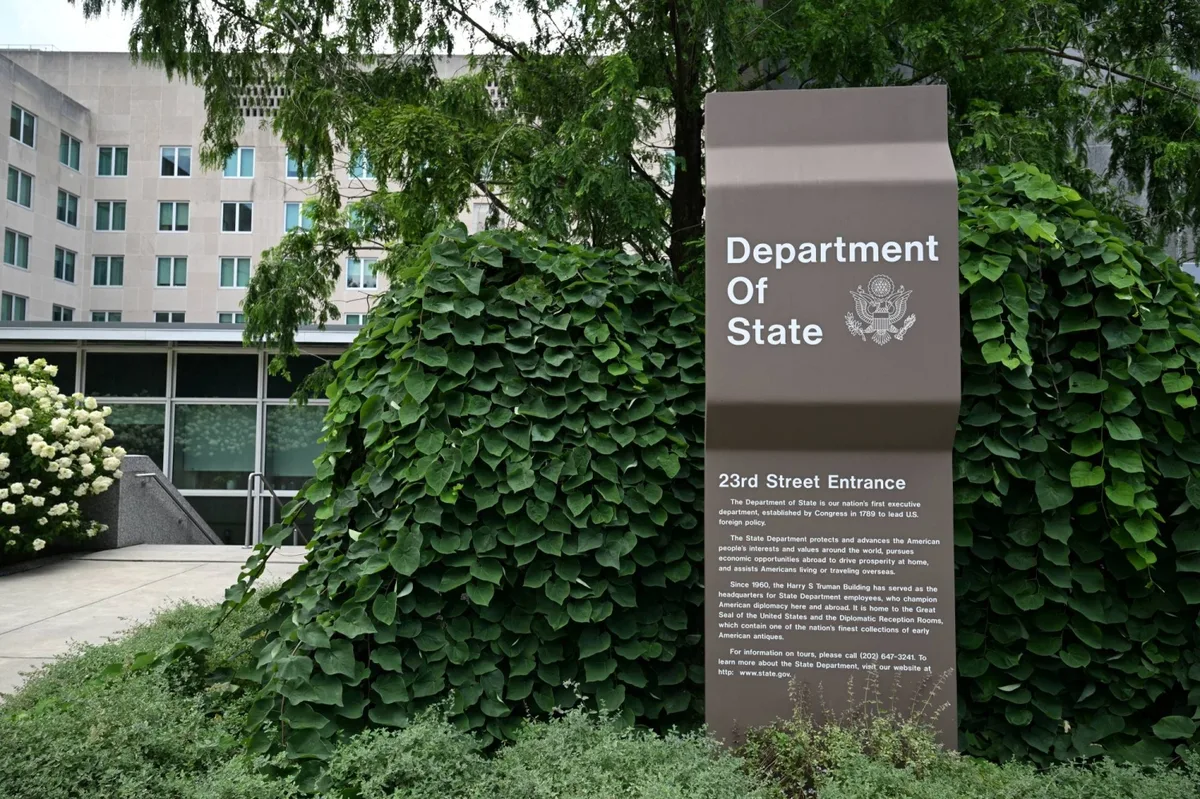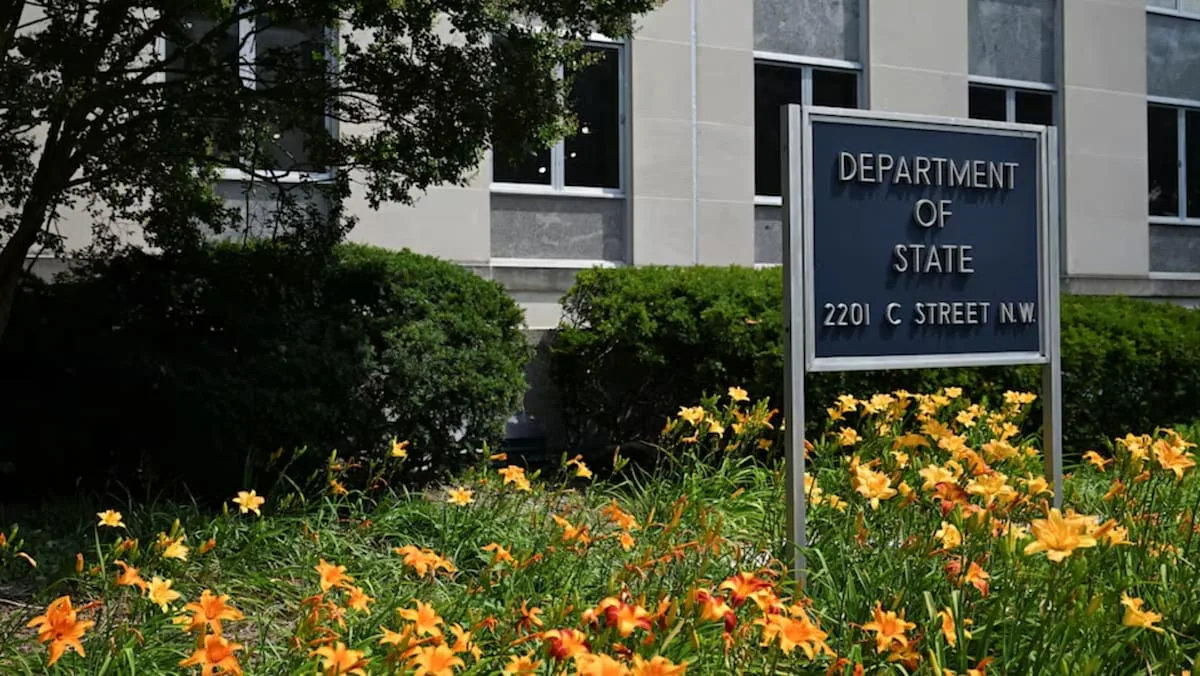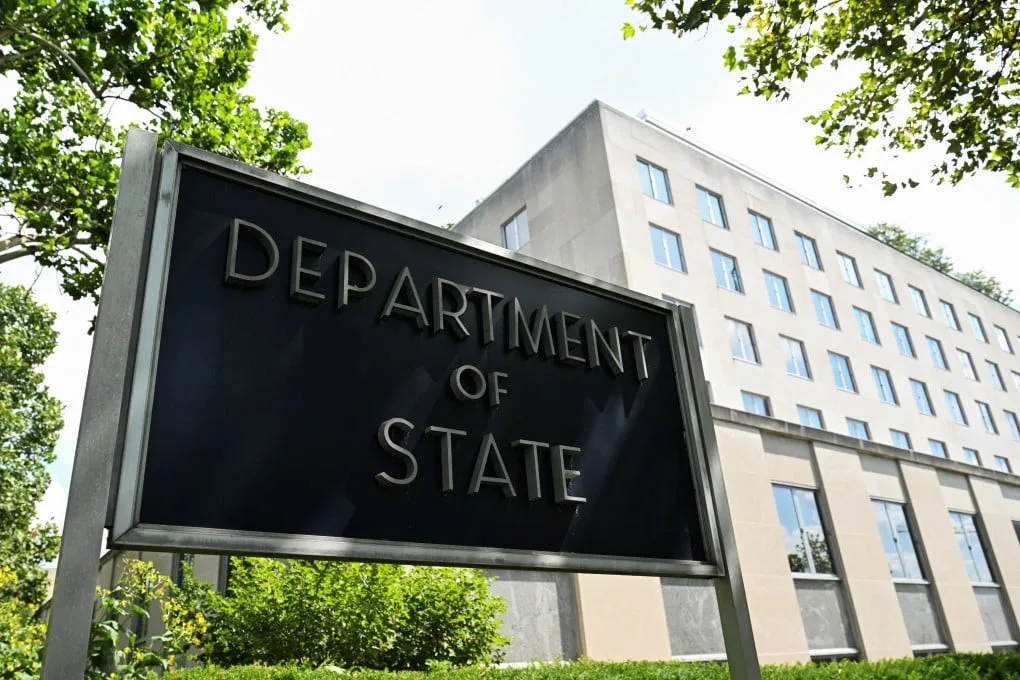
The US State Department has informed Congress that it will close five foreign missions, including an embassy in St George's, Grenada; consulates in Nagoya, Japan; Medan, Indonesia; and Winnipeg, Canada; plus an embassy office in Douala, Cameroon [1, 2, 3, 4]. These closures mark a rare reduction in the US diplomatic footprint without being tied to any specific geopolitical event [1, 2].
Preparations for the closures began in early 2025, during the first months of the Trump administration, under the ‘America First’ agenda which sought cuts in overseas missions [1, 3, 5]. The White House Office of Management and Budget once pushed for an even broader plan that would have shuttered up to 30 foreign missions, but ultimately five are being closed [1, 3]. Some US officials privately judged that smaller missions were inessential and not cost-effective [1, 3].
Last year, the State Department underwent a large bureaucratic overhaul cutting dozens of bureaus and more than 1,300 employees, including 246 foreign service officers and 1,107 civil servants, but no foreign missions were closed then [1, 3, 4]. More than half of the 195 ambassadorial posts remain unfilled as of 2026, highlighting ongoing staffing challenges [4].
US Secretary of State Marco Rubio defended the closures as necessary cost-cutting efforts to right-size a bloated department. "Cost-cutting measures are necessary to right-size an organisation many conservatives see as bloated and overly bureaucratic," Rubio said [1].
Democrats and some former officials have criticized the closures as risking a diplomatic vacuum that adversaries like China and Russia could exploit [1, 4]. Jeanne Shaheen, the top Democrat on the Senate Foreign Relations Committee, warned that "China has a diplomatic presence in three of the five locations where the state department is closing shop and Beijing is going to exploit that new vacuum to undercut American interests." She questioned whether the small cost savings justify pulling back from these posts [4].
China currently maintains diplomatic offices in St George's, Nagoya, and Medan—the same locations where US missions will be closed [6, 7]. Meanwhile, the US consulate in Winnipeg has faced criticism within Canada for potentially harming US economic and political ties in Manitoba [4].
The State Department has not officially confirmed the mission closures but said it is focused on improving the efficiency and effectiveness of the US diplomatic presence and will comply with required congressional notifications [1, 3]. The formal notification to Congress took place in late July or early August 2026 [1, 2].