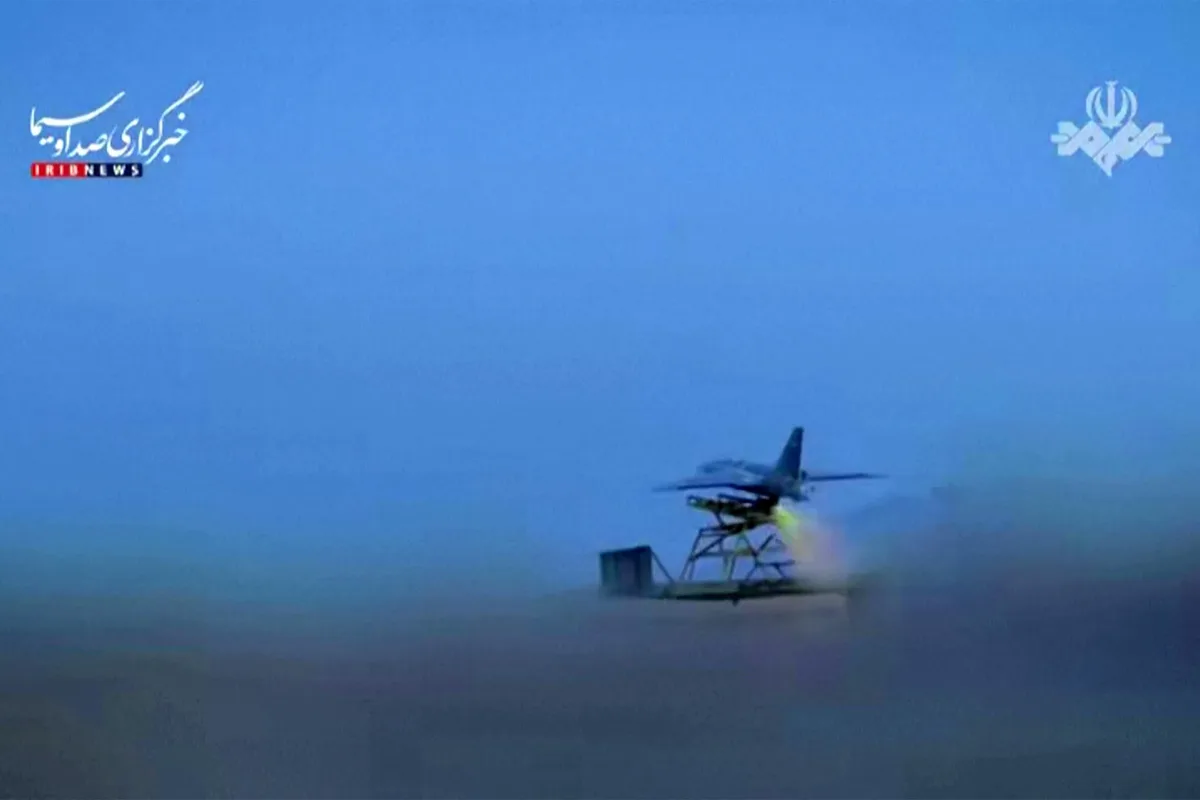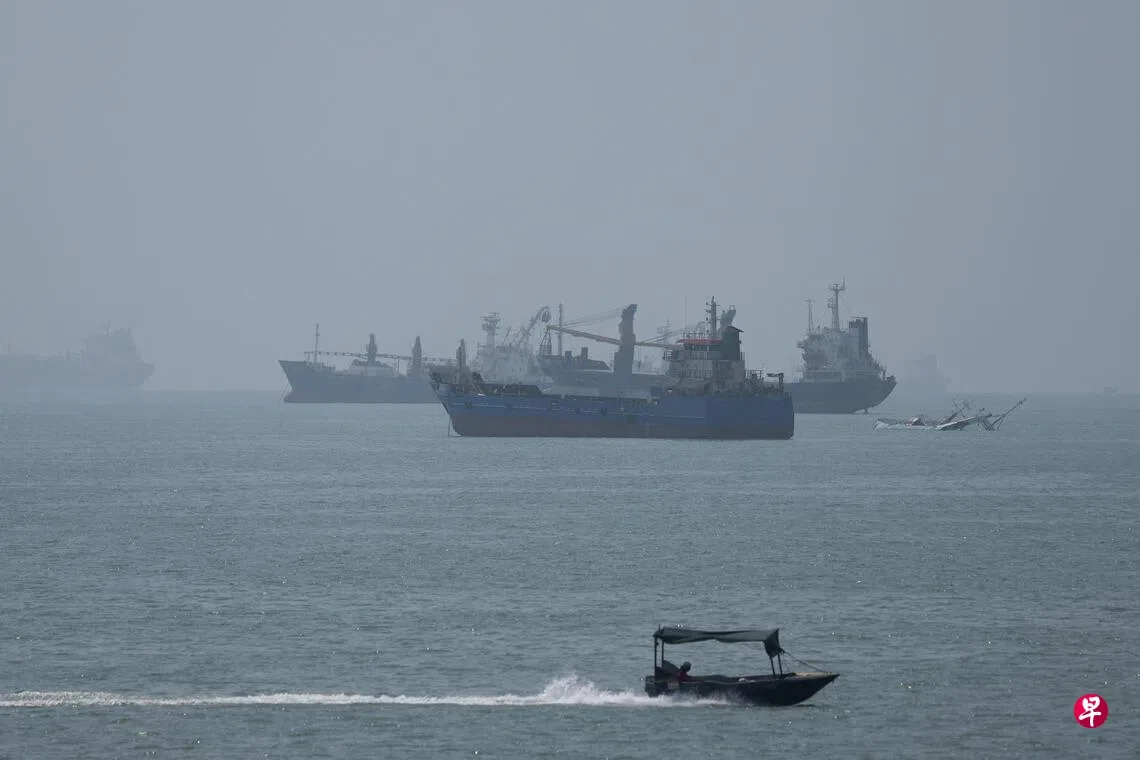
On August 30, 2026, the US military launched airstrikes on two Iranian rocket launcher sites on Larak Island near the Strait of Hormuz. The targets were Iranian forces preparing to launch rockets loaded with naval mines into the strategic waterway, threatening international shipping lanes [1, 2, 3, 4, 5, 6, 7, 8]. US Central Command spokesperson Tim Hawkins said, "We observed the Islamic Revolutionary Guard Corps preparing to launch rockets laden with naval mines into the Strait of Hormuz, posing a threat to commercial traffic." [8]
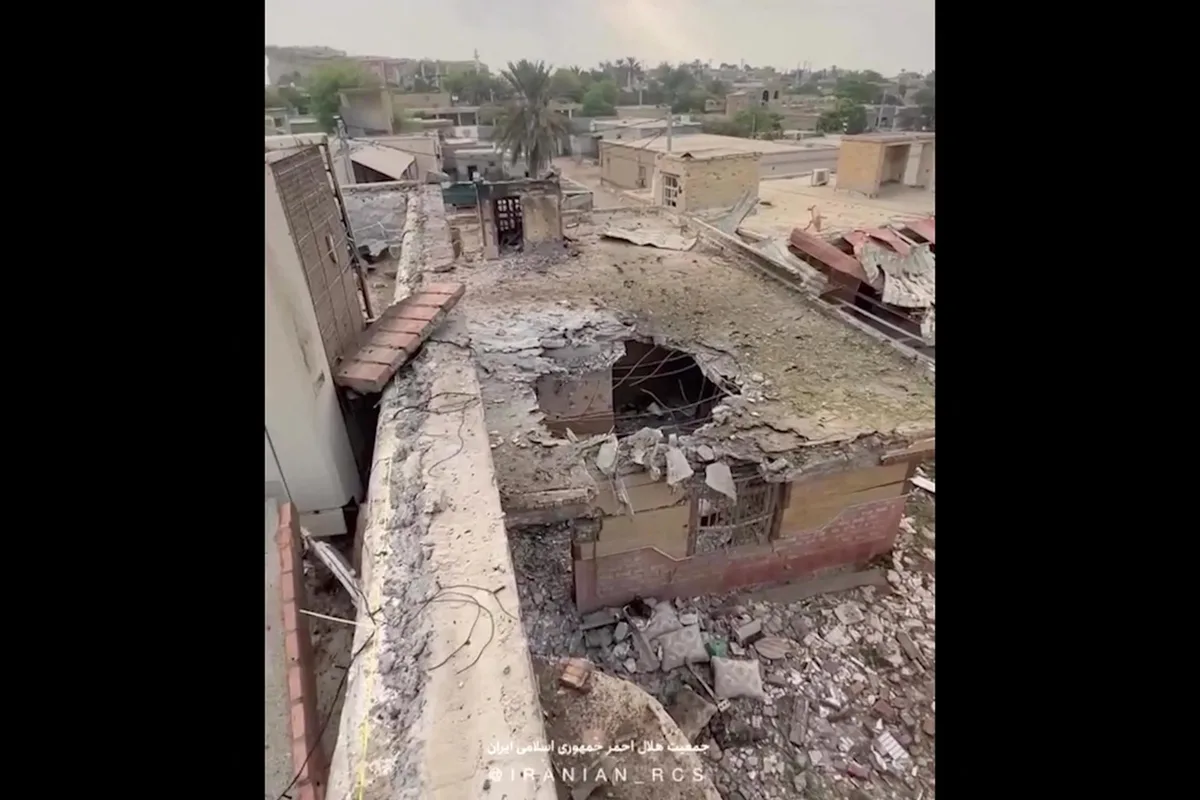
The strikes came shortly after US forces completed mine clearance operations in the Strait of Hormuz [1, 2, 3, 7, 8]. Following the attacks, Iran's Islamic Revolutionary Guard Corps stated the US strike caused injuries and deaths among soldiers and civilians and vowed retaliation. "We have lost several soldiers and compatriots; aggressors will be punished for this attack," the IRGC declared [2, 3, 4, 5, 6, 8].
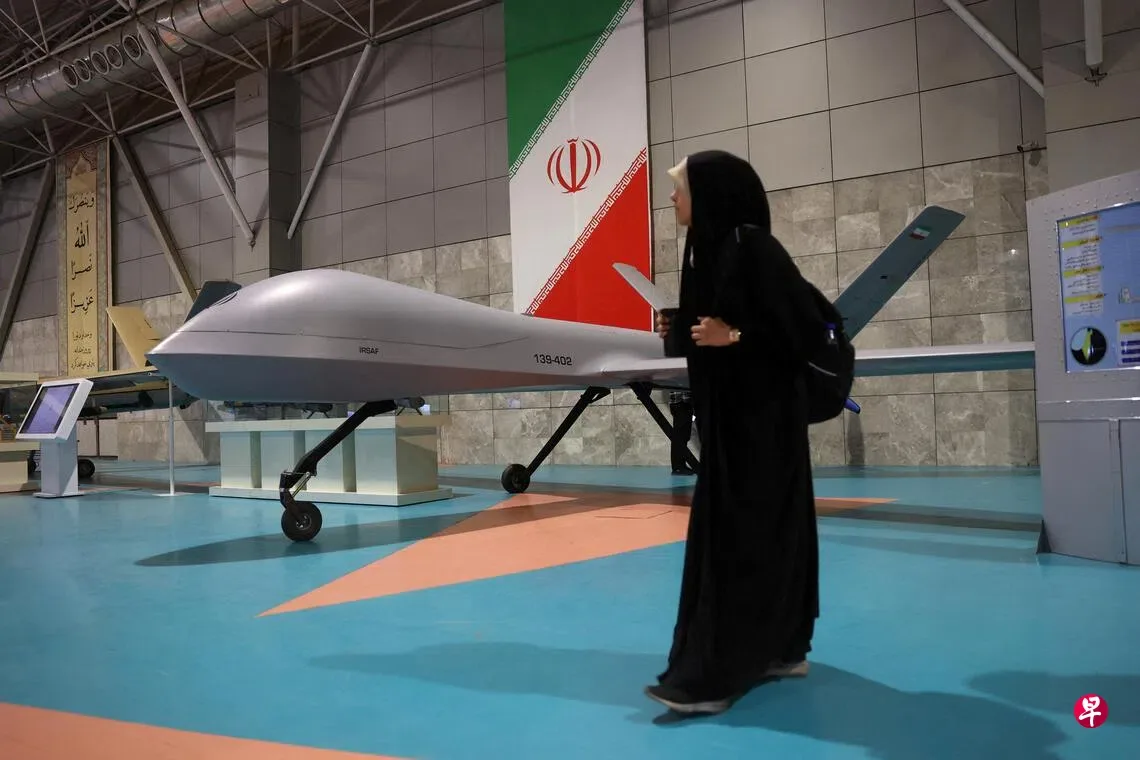
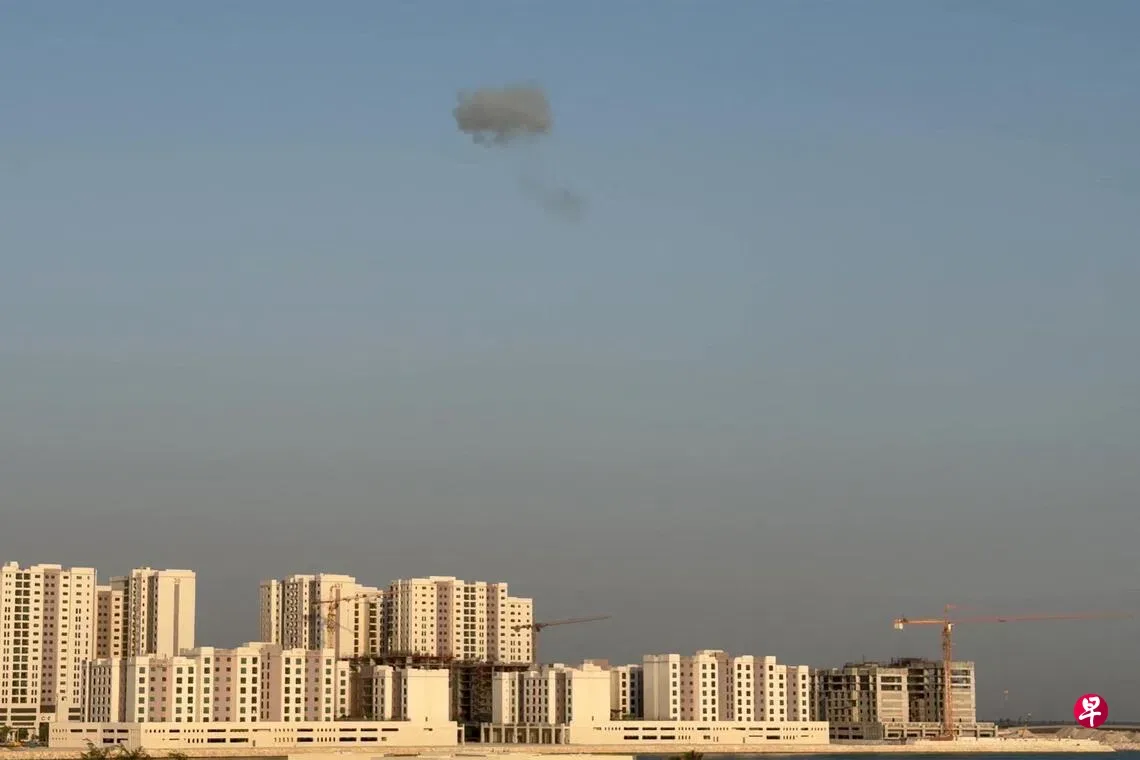
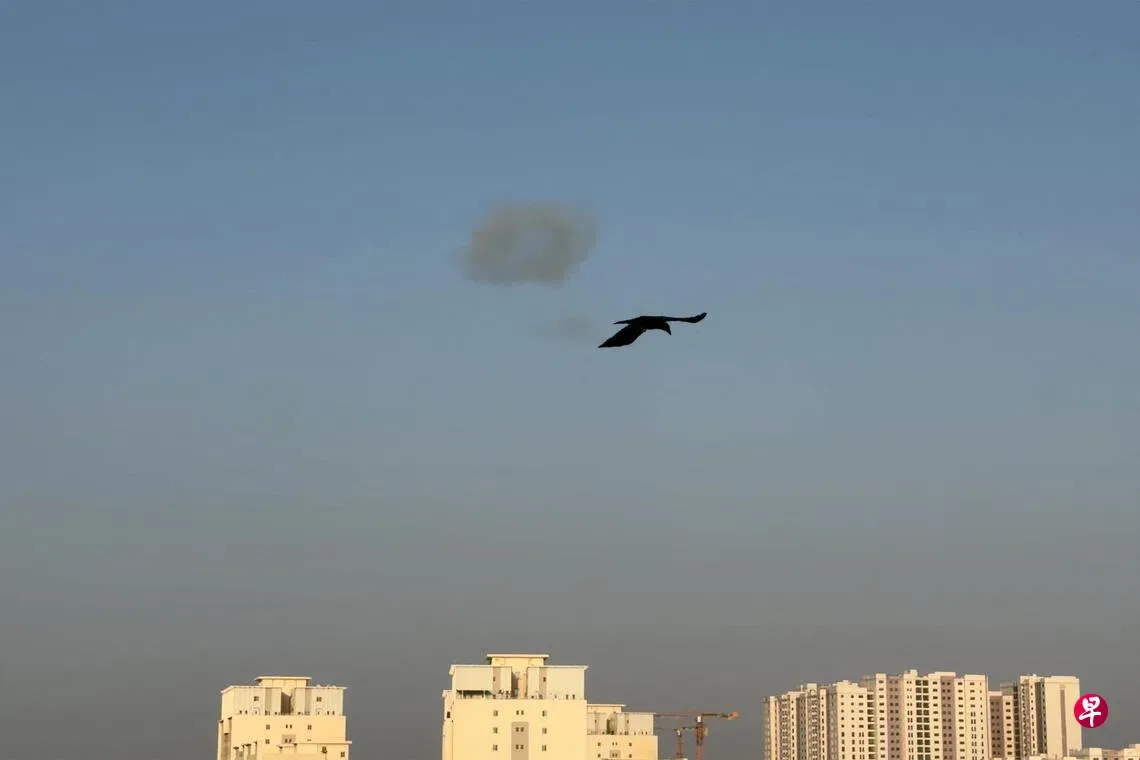
Within hours to days after the US strike, Iran retaliated by launching ballistic missile attacks on US military bases in Jordan and against targets in the UAE, Kuwait, Bahrain, and Iraqi Kurdistan [1, 9, 10, 4, 5, 8]. Jordanian and Bahraini air defense forces intercepted multiple incoming missiles and drones, with some reports stating between 8 and 13 missiles were intercepted in Jordanian airspace [1, 9, 10, 5]. Despite Iranian claims of significant US casualties and damage, these assertions have not been independently verified and are contradicted by some sources stating all missiles were intercepted without major damage [9, 10, 5].
The conflict further escalated on September 1, with US forces conducting additional strikes against Iranian air defenses, radar, maritime assets, mine-laying capabilities, and communications sites [9]. At least 18 people died in southern Iran due to the US airstrikes, including four civilians killed during a wedding in Kohgiluyeh province [9, 10].
US President Donald Trump issued a stern warning to Iran against further retaliation, stating, "Bigger and higher level attacks are ready to launch. By the time it is over, Iran will have almost nothing left." [9, 4, 5]
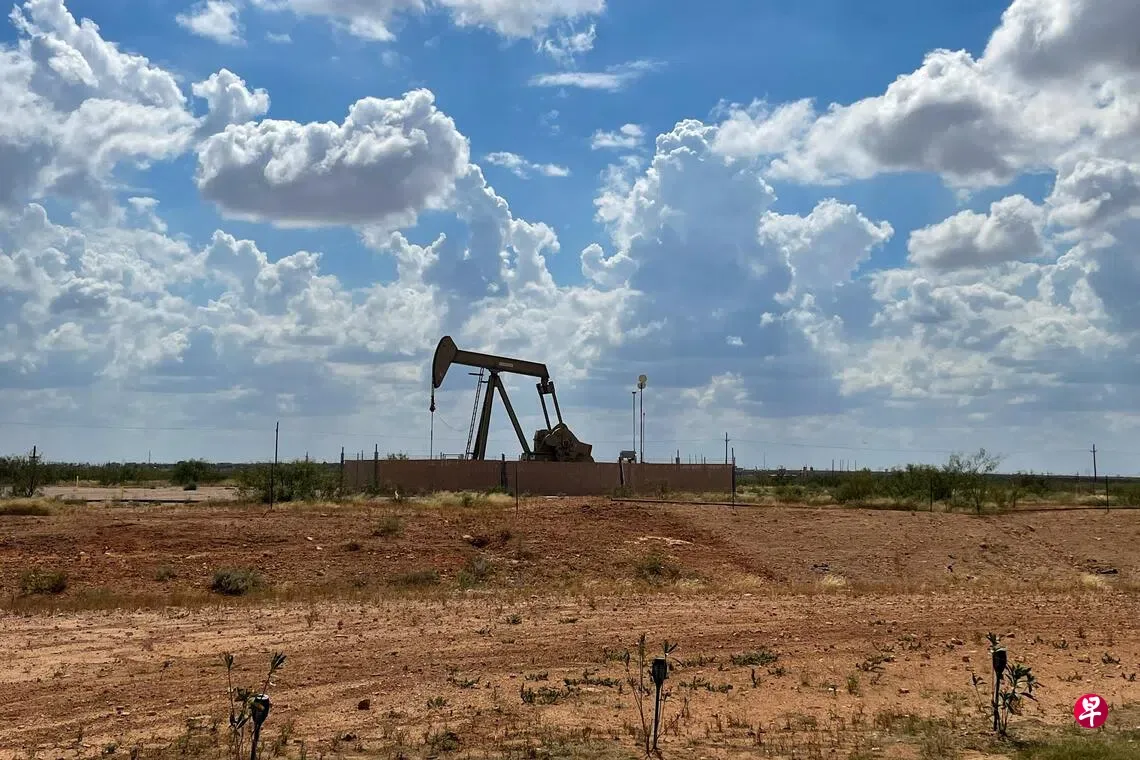
Following the military confrontations, oil prices rose sharply, with Brent crude surpassing $90 per barrel and WTI approaching $86, reflecting concerns over supply disruptions around the Strait of Hormuz [11, 6]. Despite the clashes, oil flow continues through the Strait at reduced levels estimated between 6 to 8 million barrels per day, though maritime traffic volumes have decreased [11, 9, 6].
The US Treasury announced plans to intensify economic sanctions targeting Iran and its trade partners, including banks facilitating Iranian commerce [10, 6]. Meanwhile, unverified claims by President Trump suggested Iran's major oil export hub Kharg Island was bombed into ruins, but no independent evidence or reports have confirmed such damage [12].
The situation remains tense with potential for further escalation. US forces continue to monitor Iranian military activities in the region closely.