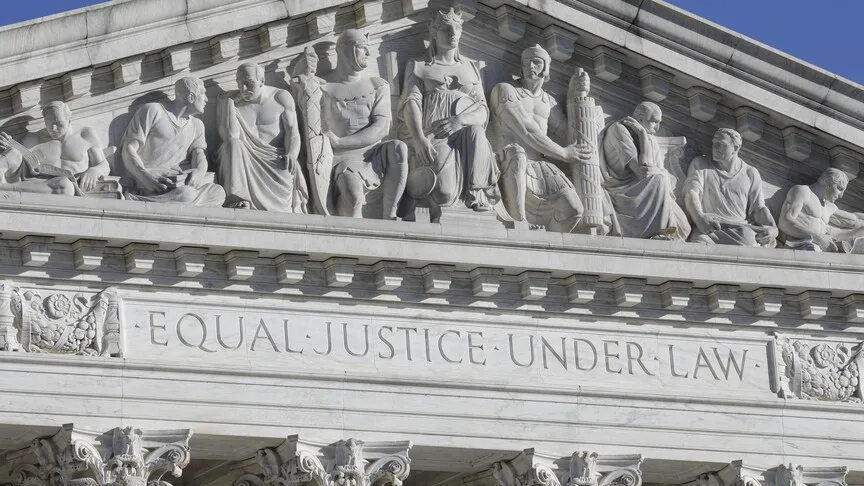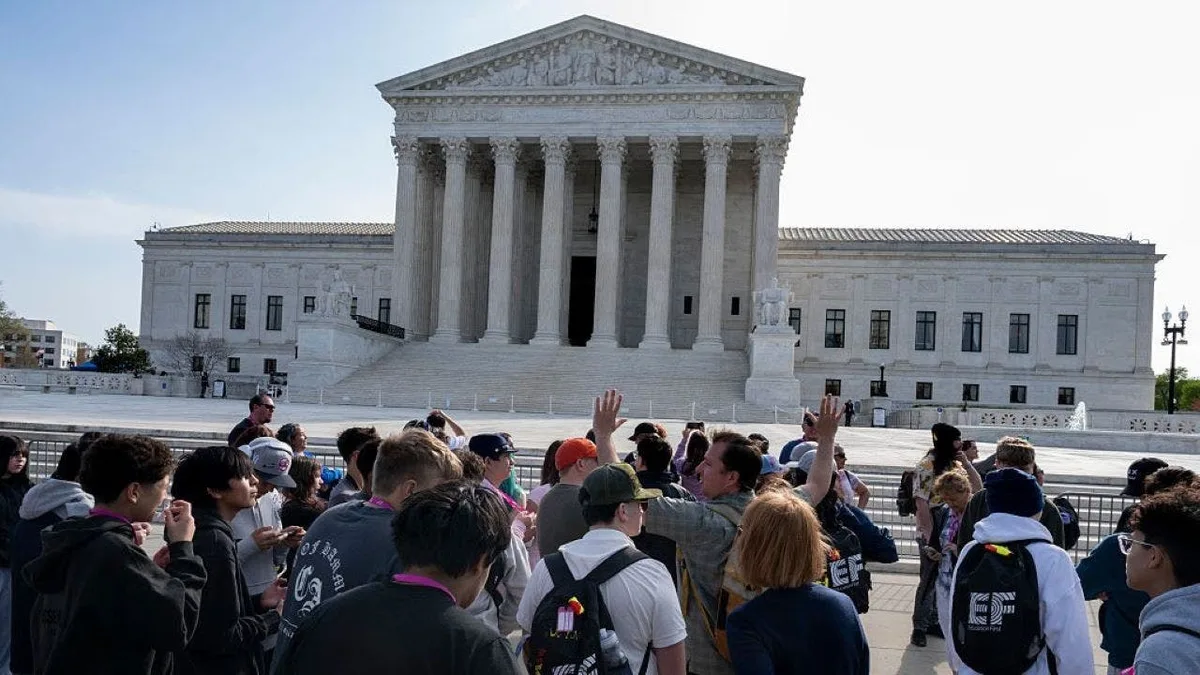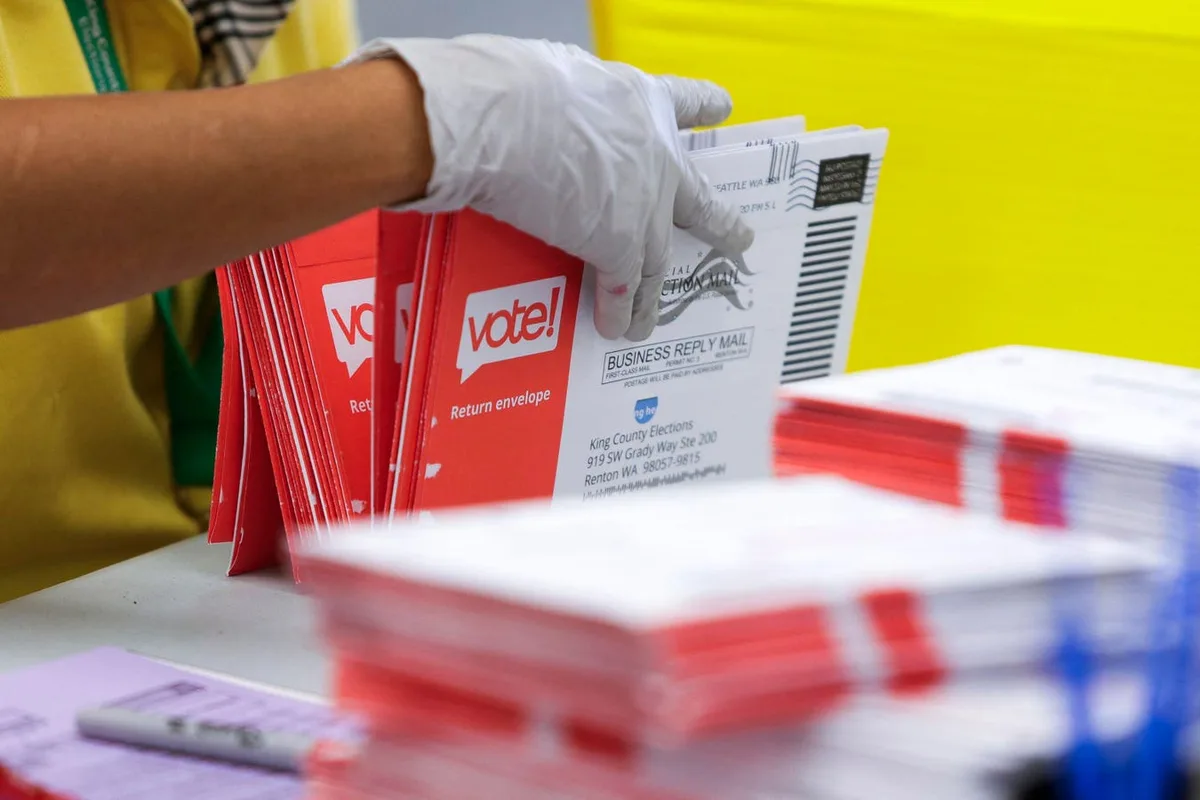
The US Supreme Court handed down a 5-4 decision on June 29 allowing states to count mail-in ballots received after Election Day provided they bear a valid postmark dated on or before Election Day [1, 2, 3]. The ruling specifically upheld a Mississippi law that permits election officials to accept late-arriving ballots for up to five business days after Election Day [2, 3].
Chief Justice John Roberts and Justice Amy Coney Barrett joined the four liberal justices to form the majority, marking a notable alignment across ideological lines [2, 3]. Justice Barrett authored the majority opinion, stating, "The election-day statutes say nothing about ballot receipt, and we cannot add to the words Congress chose" [2]. The opinion emphasized that federal law regulates the date ballots are cast but is silent on when states may receive them.
The ruling preserves policies in the District of Columbia and 14 other states that allow broad grace periods for late-arriving ballots, as well as 15 states that apply extensions for military and overseas voters [2]. This means that these states can continue to count ballots that arrive days after the official election date without violating federal law.
Former President Donald Trump sharply criticized the ruling, calling it a "tremendous loss" for voter rights. He urged lawmakers to pass tighter voting requirements, including photo ID and proof of citizenship, saying, "It is more important than ever to pass the Save America Act" [2]. The decision was seen as a setback for Republicans who have advocated stricter rules on mail-in ballots designed to limit late counting [1].
Mississippi’s five-business-day grace period remains a key example of state discretion upheld by the court [2, 3]. The court’s decision signals that states have room to accommodate mail-in voting delays caused by postal service timing without running afoul of federal statutes.
Election officials in covered states will apply the ruling in upcoming contests, maintaining current deadlines for ballot receipt. The decision clarifies the legal framework just as many states finalize their 2026 election procedures.