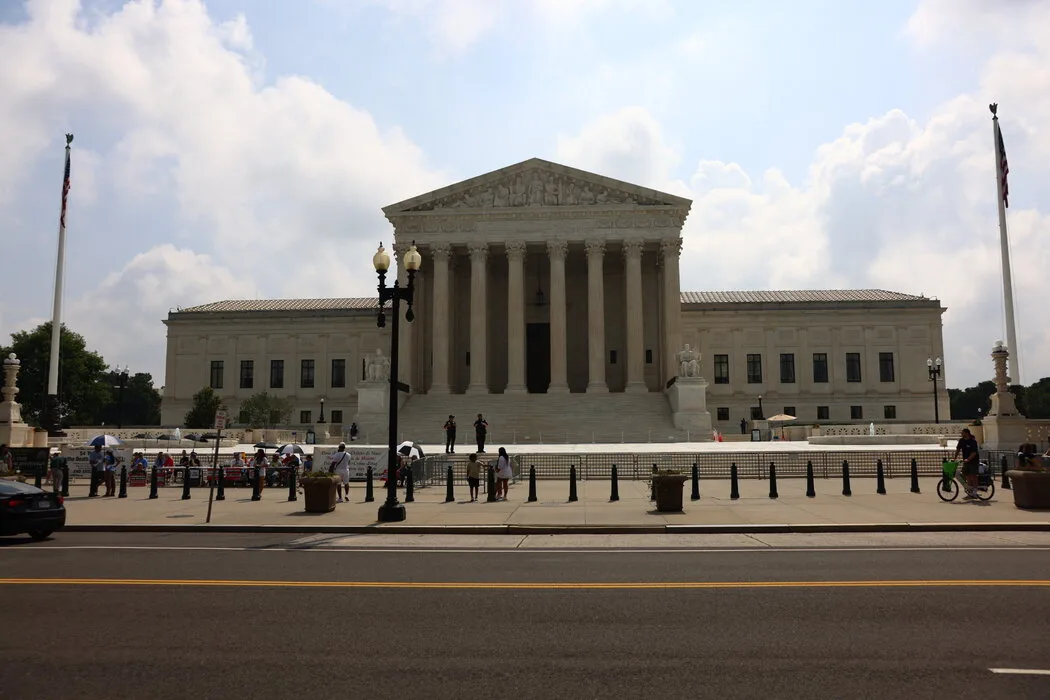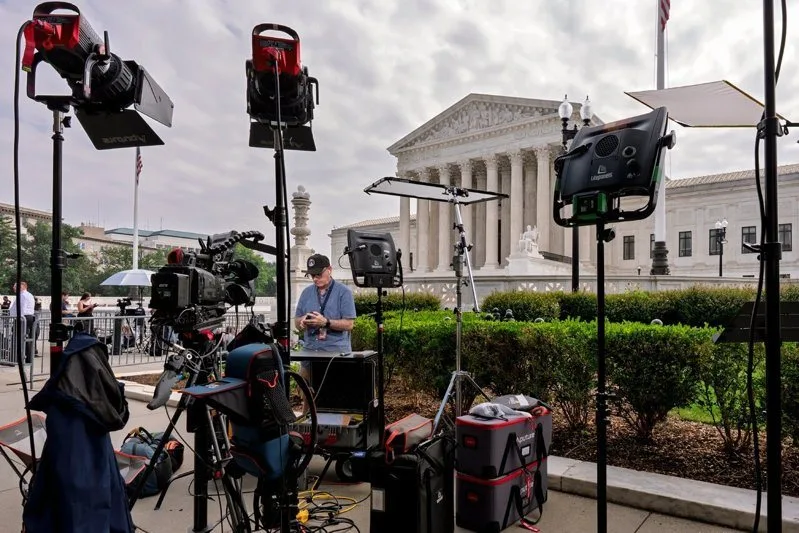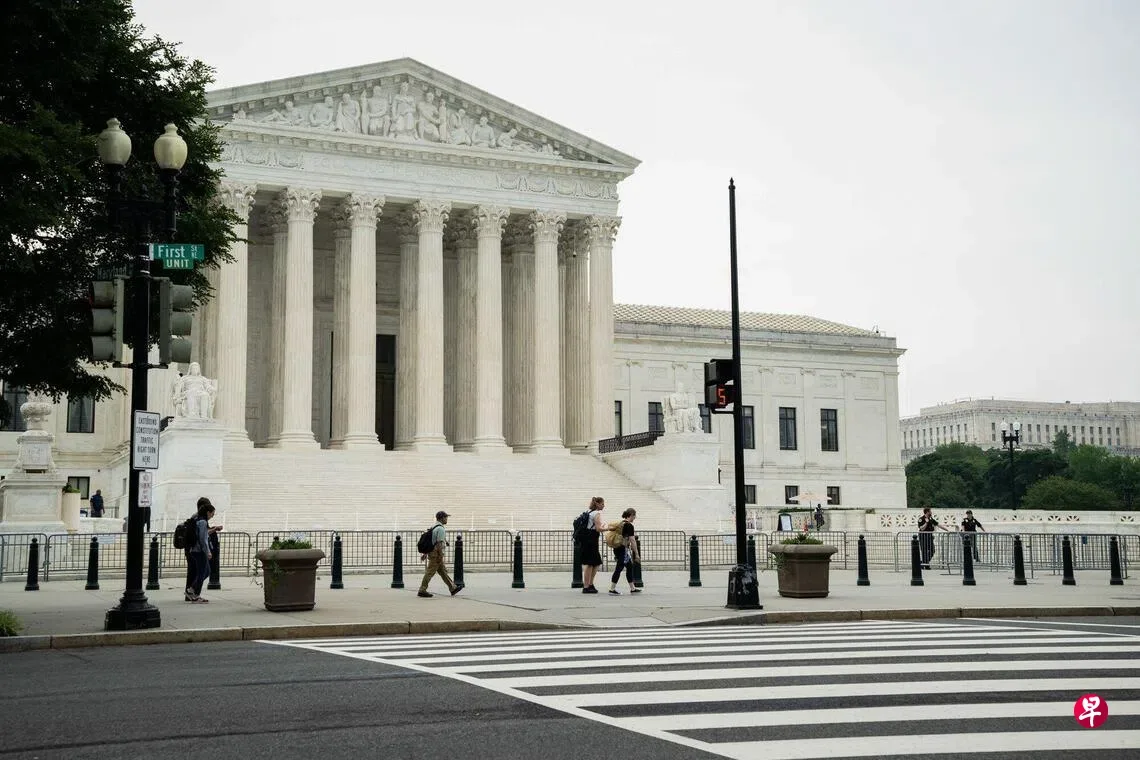
The US Supreme Court on June 29 issued a 6-3 ruling that allows President Trump to remove independent government regulators without needing cause, overturning a near-century-old precedent protecting such officials [1, 2, 3, 4]. The court rejected the 1935 Humphrey's Executor v. United States decision, which barred presidents from firing independent agency officials without specific reasons [1, 2, 3, 5].
Chief Justice John G. Roberts Jr. wrote the majority opinion, arguing that "protections from removal violate the constitutionally mandated separation of powers. FTC commissioners exercise executive power and must be amenable to the president’s control" [2]. The ruling shifts authority from Congress to the president over more than 20 independent agencies overseeing consumer protection, labor, environmental issues, and nuclear safety [1, 3, 6].
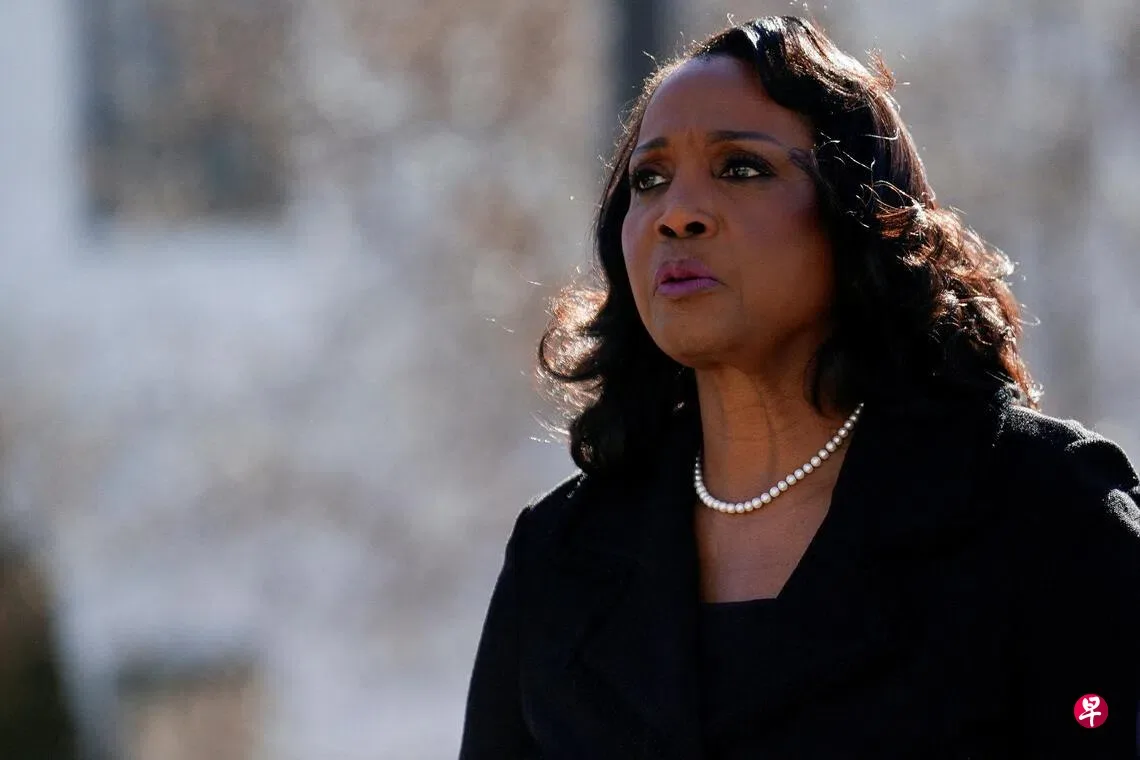
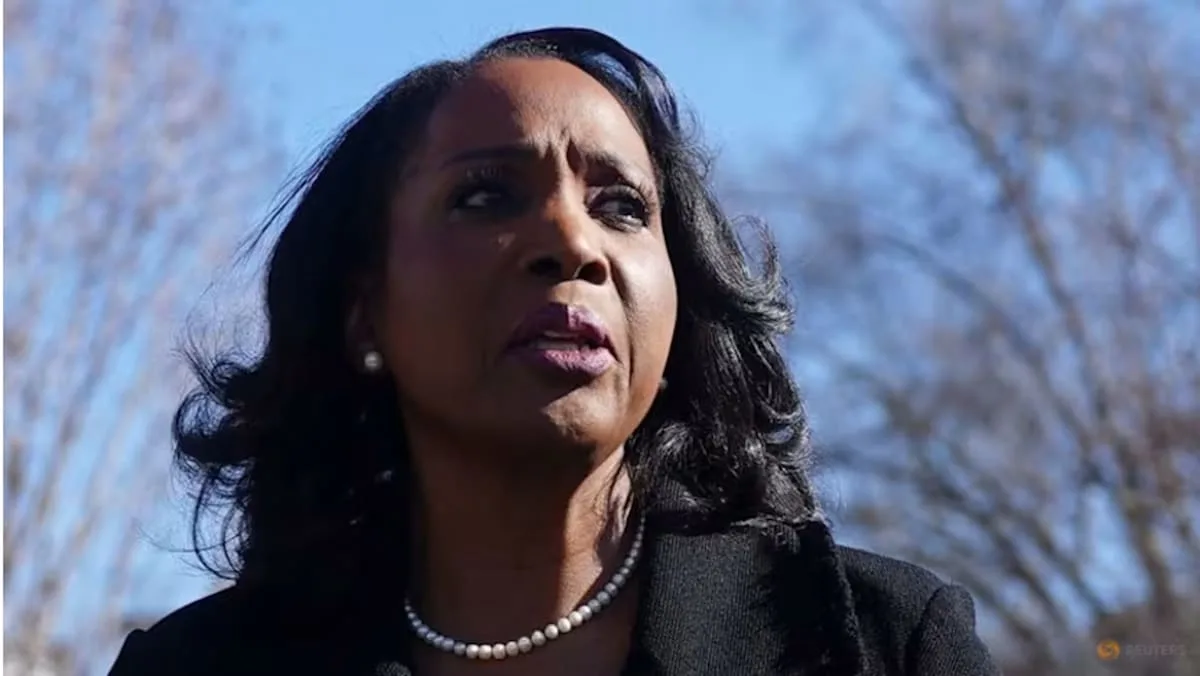
However, the court preserved an exception for Federal Reserve governors in a 5-4 vote, blocking Trump's immediate attempt to fire Fed governor Lisa Cook while litigation continues [1, 7, 8]. The court ruled that Cook must be given notice, the chance to respond, and that courts must review any charges against her [7, 8].
Cook denies Trump's unproven mortgage fraud allegations and says her removal attempts are retaliation for resisting political pressure on interest rate decisions. She said, "The president’s attempt to remove me on fabricated grounds is retaliation for my refusal to yield to political pressure and commitment to set rates based solely on what benefits the American people" [1, 7].
The case arose after Trump sought to fire FTC Democratic member Rebecca Kelly Slaughter for political reasons despite legal protections requiring cause [1, 3]. Trump hailed the ruling as "a huge win for the president’s power to remove federal agency officials" and "one of the most important decisions on presidential power in history" [1]. He vowed to take steps to prevent individuals with alleged wrongdoing from influencing critical decisions [8].
Justice Sonia Sotomayor dissented, warning the decision will "unleash chaos by fundamentally altering the power balance the country has maintained, dismantling independent agencies created to serve the public free from political influence" [1].
On the same day, the court also upheld voting rules allowing mail-in ballots postmarked by election day to be counted for up to five business days, a victory for Democrats [2]. The court rejected Trump's appeal in a separate civil sexual assault case, upholding a $5 million damages judgment against him [2].
The ruling marks a major expansion of presidential authority over independent government regulators. Trump’s effort to remove Fed governor Cook will proceed only after due process protections are met, including judicial review of any formal charges [1, 7].