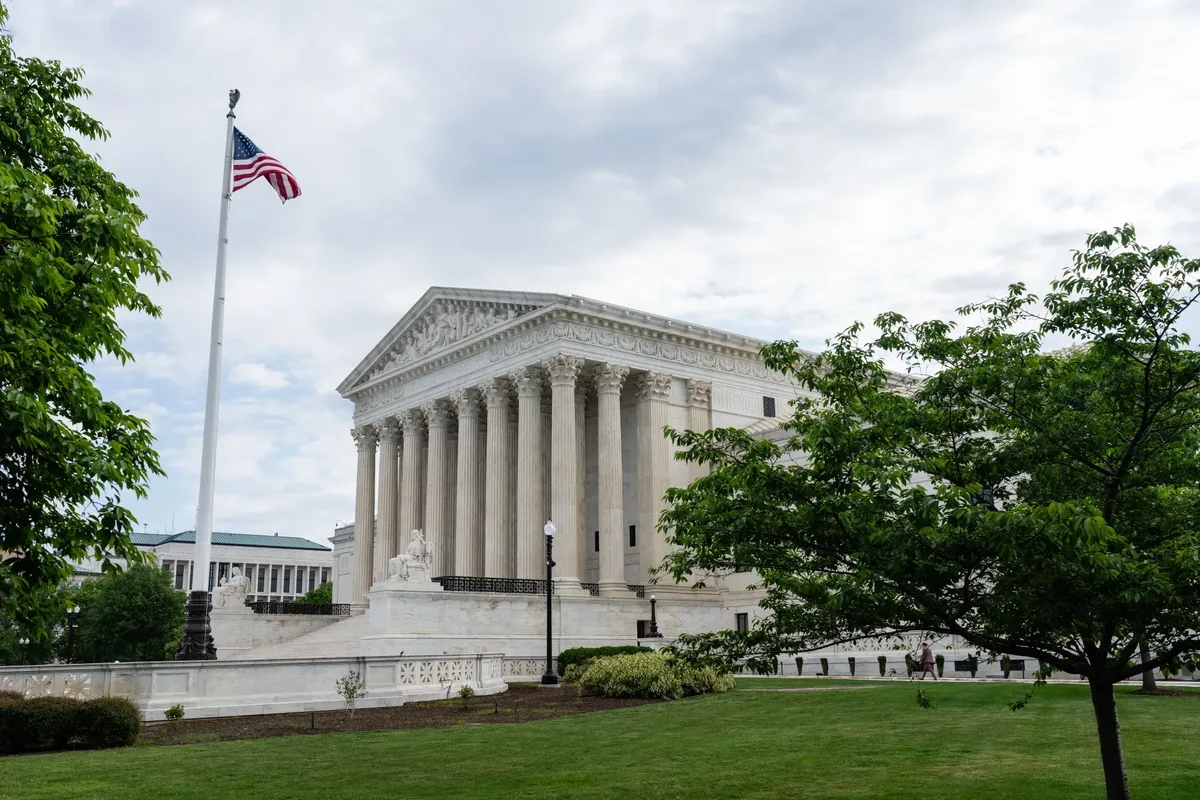
The US Supreme Court on May 26 refused to allow Florida to sue California and Washington over their issuance of commercial driver’s licenses to undocumented immigrants, rejecting Florida’s complaint filed directly under the Court’s original jurisdiction over disputes between states [1, 2].
Florida alleged that California and Washington issued these licenses without meeting federal requirements for English proficiency and lawful immigration status for commercial drivers [2]. Florida contended this violated federal standards and posed safety risks on the roads.
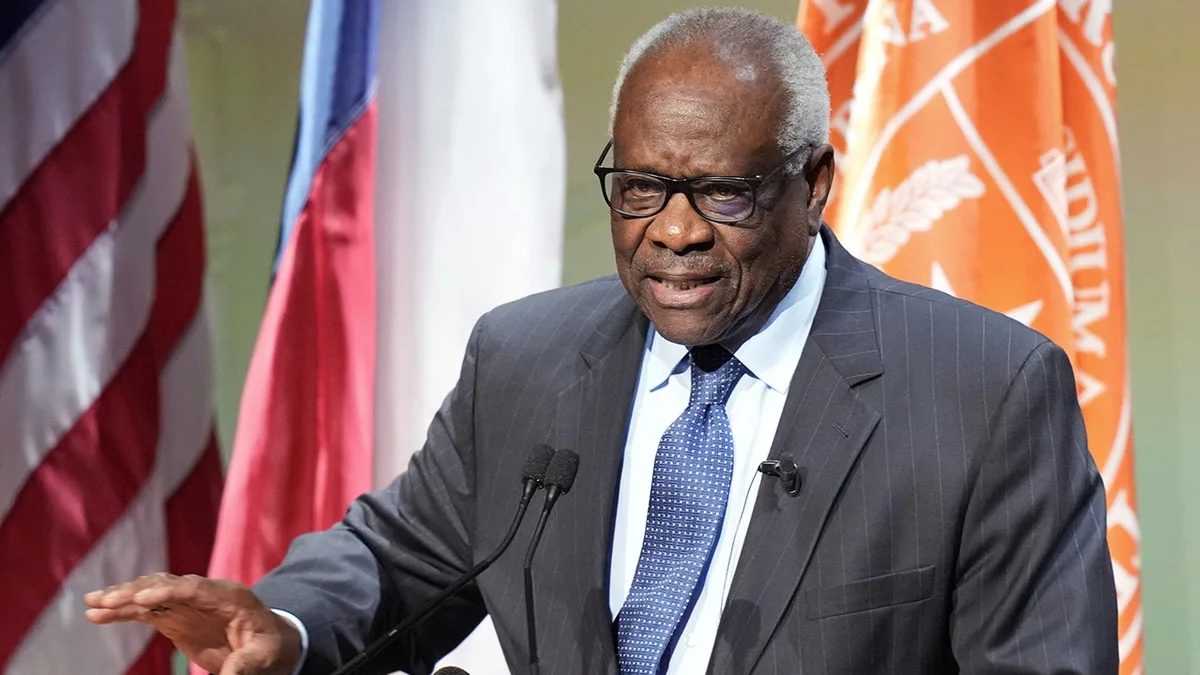
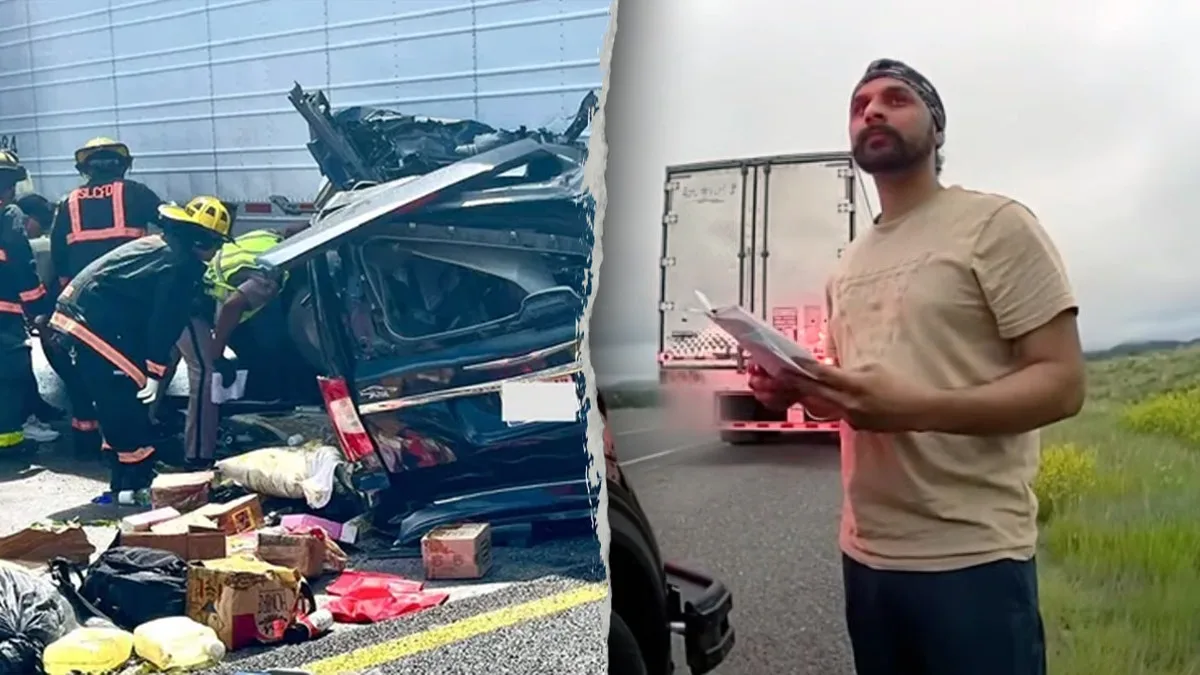
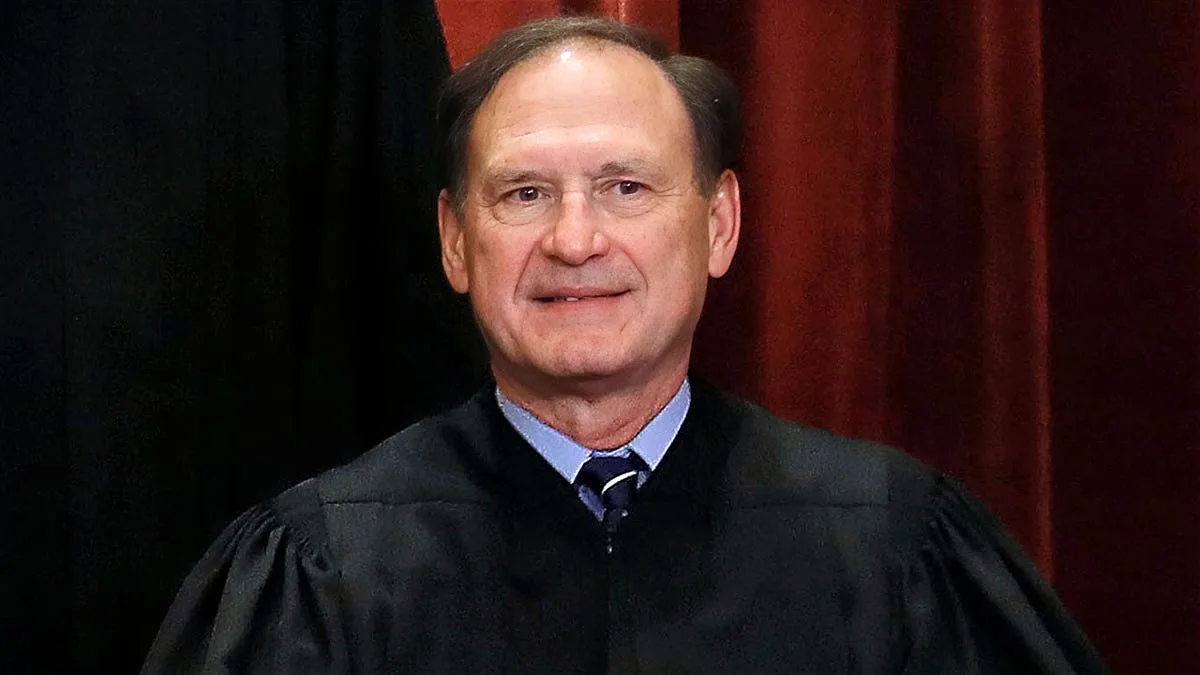
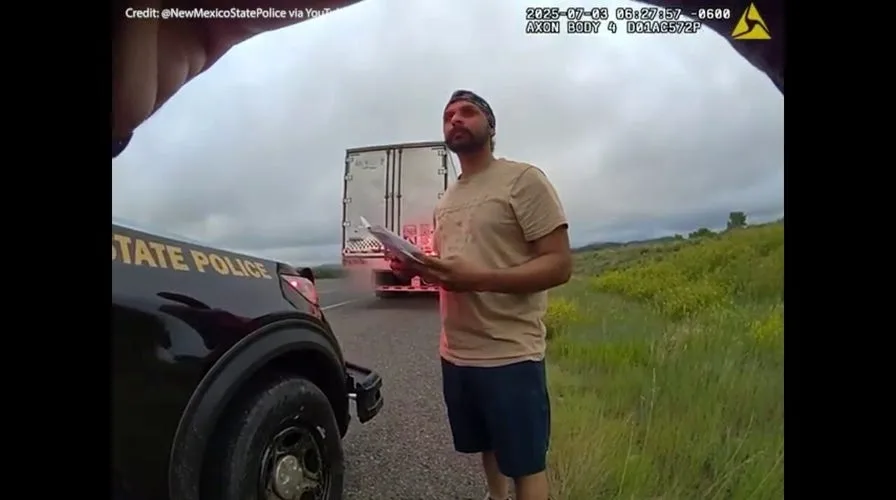
Justices Clarence Thomas and Samuel Alito dissented from the Court’s refusal. They argued the Supreme Court should have accepted the case under its original jurisdiction because only states can sue each other directly in the Supreme Court [1, 2]. Justice Thomas pointed to a fatal crash in Florida involving a truck driver who was an undocumented immigrant and could not read road signs. He said California’s and Washington’s failure to enforce federal licensing standards contributed to unsafe conditions [2].
The majority did not provide an explanation for declining to hear the case, according to one source [1]. However, the dissenters emphasized the constitutional duty of the Court to hear disputes between states [2].
The lawsuit was filed by Florida to challenge the policies of California and Washington concerning immigrant commercial driver’s licenses. The Supreme Court’s rejection on May 26 ends that direct challenge for now [1, 2].