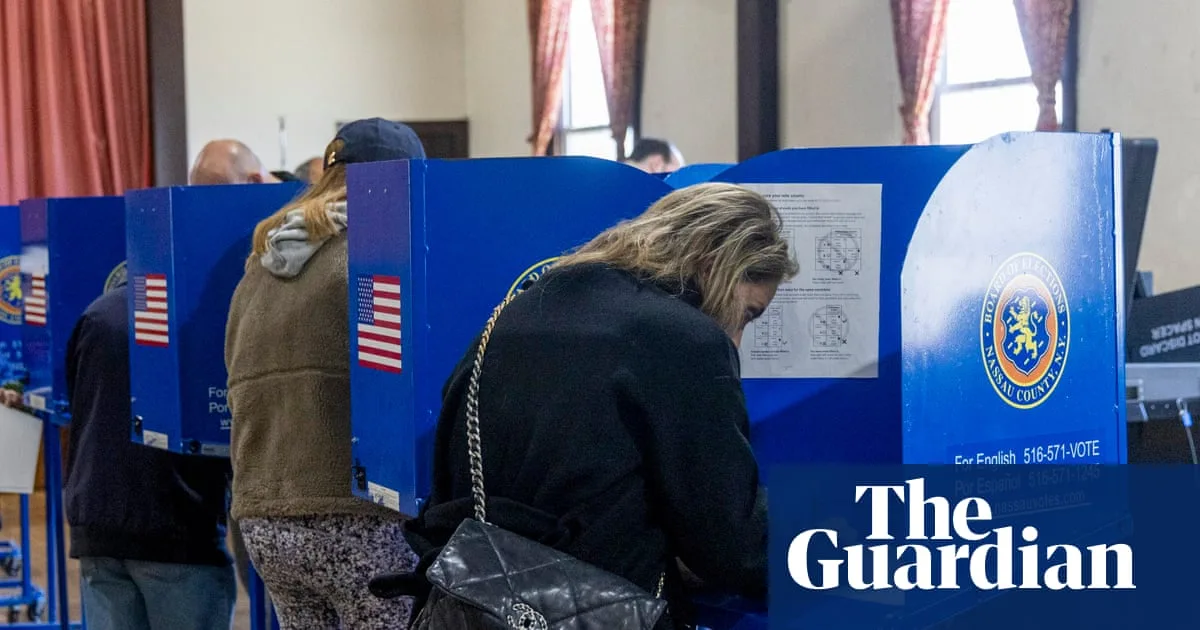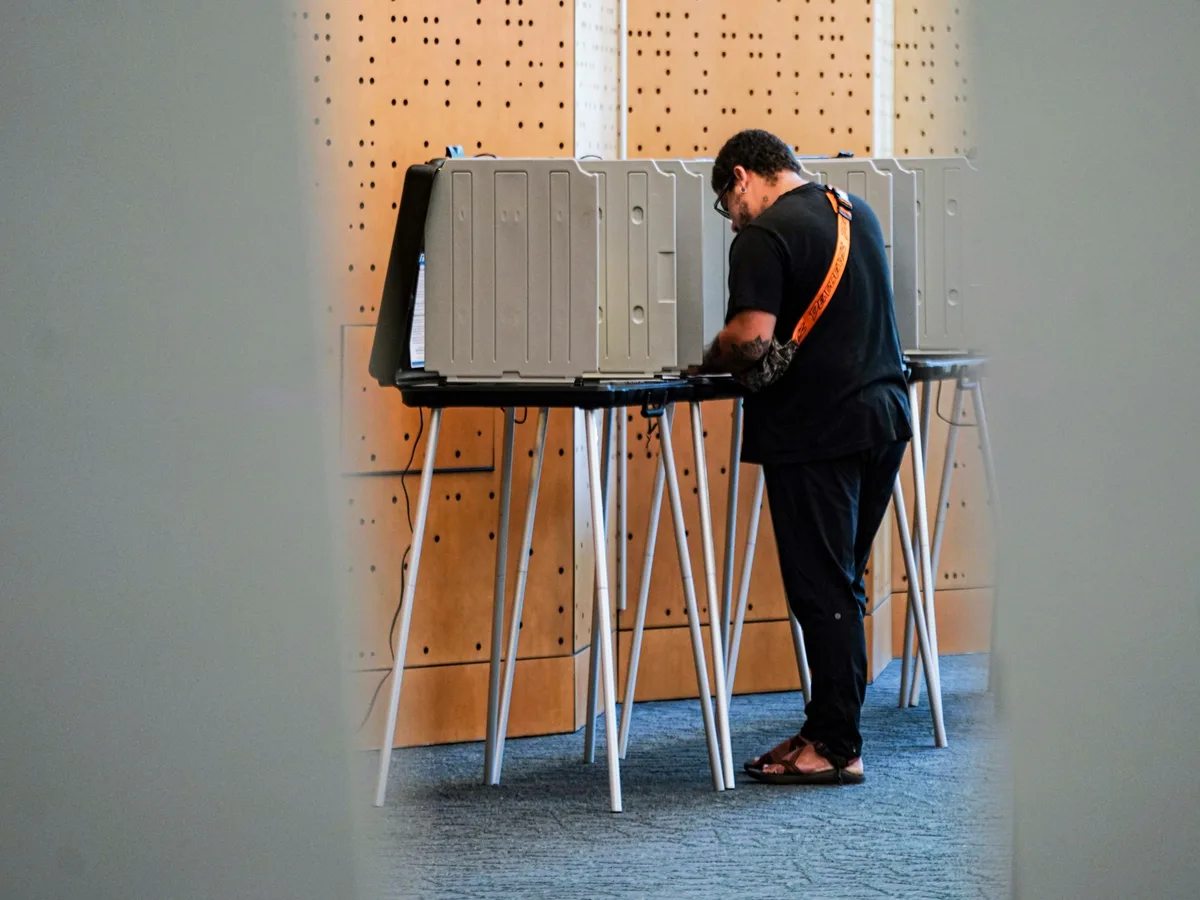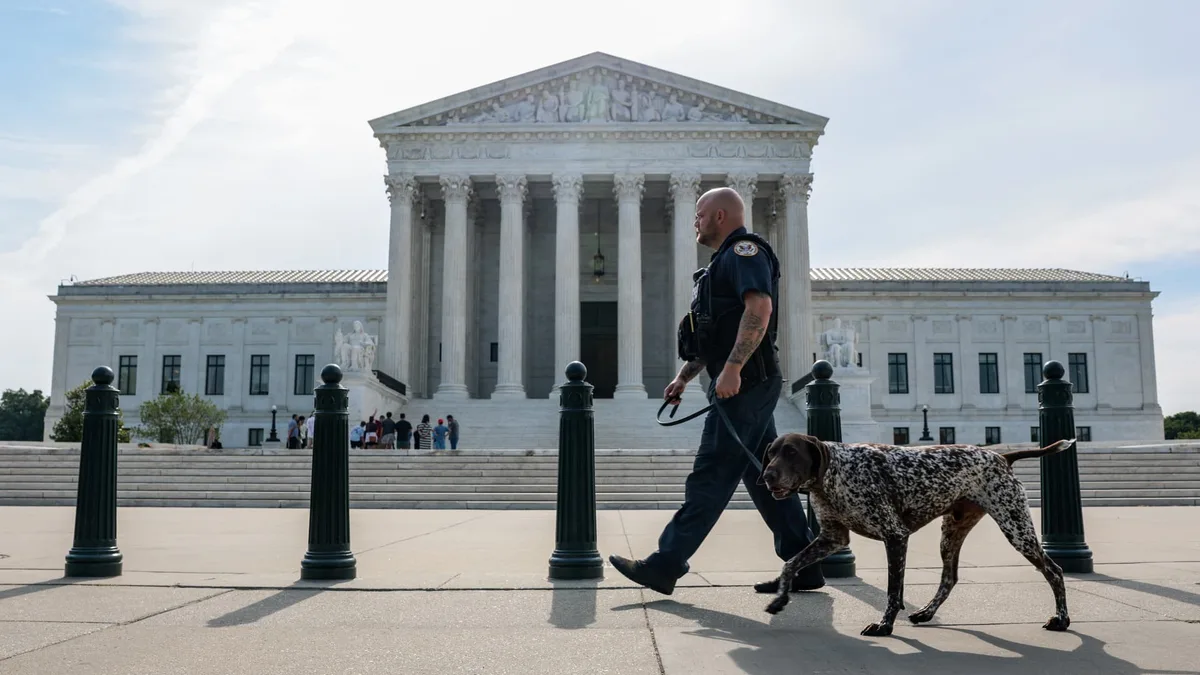
The US Supreme Court struck down federal limits on coordinated expenditures by political parties with candidates in a 6-3 decision on June 30, 2026. The ruling invalidated caps designed to limit party spending, declaring they violate the First Amendment’s free speech protections [1, 2, 3, 4, 5, 6, 7, 8, 9].
Justice Brett Kavanaugh authored the opinion for the court’s conservative majority. He wrote that "constitutional text, history, and precedent establish that the political-party coordinated expenditure limits violate the First Amendment," adding that "more speech is generally better than less speech" [2, 7]. The six conservative justices voted in favor, while the three liberal justices dissented [2, 4, 6, 7, 8, 9].
The case, National Republican Senatorial Committee v. Federal Election Commission, was filed in 2022 by Vice President J.D. Vance, former Ohio Representative Steve Chabot, and Republican committees. They challenged limits placed on party spending coordinated with candidates [1, 4, 6, 7, 8, 9].
The ruling overturns a 2001 Supreme Court precedent as well as a 2024 decision by the 6th Circuit Court of Appeals that had upheld these spending limits [4, 6, 7]. The limits were originally enacted under the 1971 Federal Election Campaign Act to prevent corruption by restricting coordinated spending between parties and candidates [4, 6].
Now, political parties can spend unlimited amounts in coordination with candidates. Liberal justices warned the ruling could open the door to quid pro quo corruption and unchecked large donations. Justice Elena Kagan said the decision "ushers back in the same opportunities for quid pro quo corruption that the contribution limits were meant to check" [2, 6, 7, 8, 10].
Republican committees had roughly $256 million in cash on hand as of May 2026, more than double the Democratic committees’ roughly $126 million in cash and $18 million in debt [5, 6, 10]. Supporters argue the ruling protects free speech and enables parties to present coordinated messages. Republican lawyer Noel Francisco said, "The ruling ensures that parties can cooperate with candidates and explain their joint message to the public" [6]. Former President Donald Trump called the decision a "BIG WIN FOR REPUBLICANS and, more importantly, The First Amendment!" [5, 6, 8, 10].
The next major political spending cycle will test how parties use the new flexibility in coordinated expenditures heading into upcoming elections.