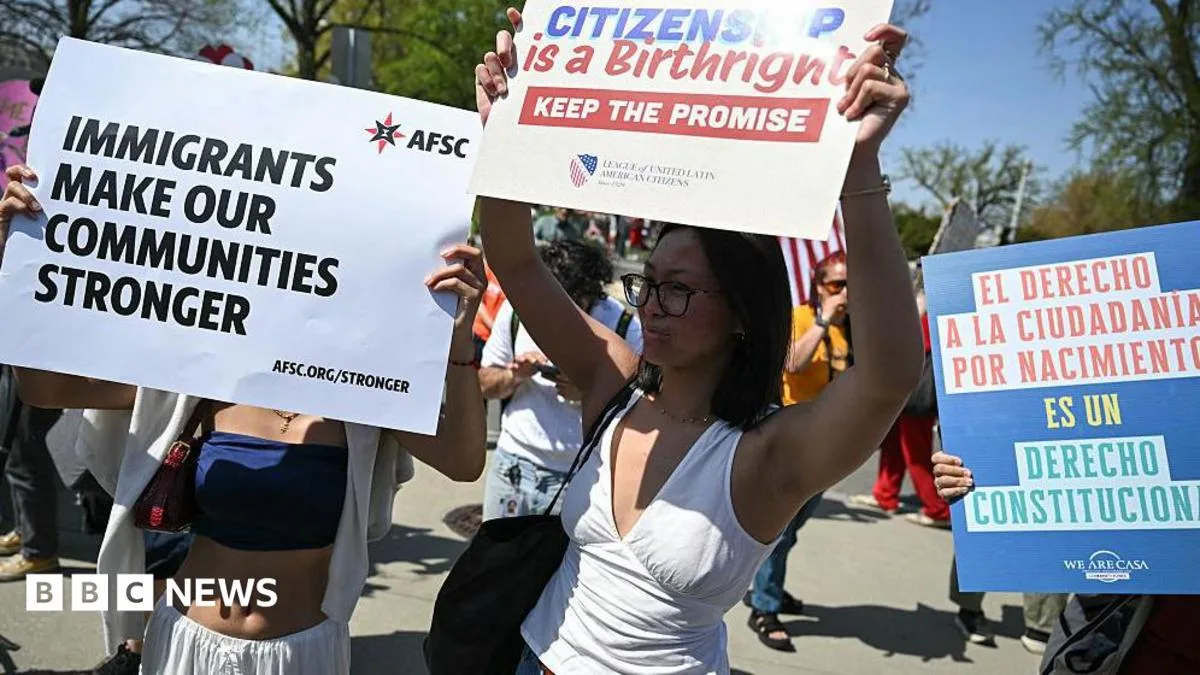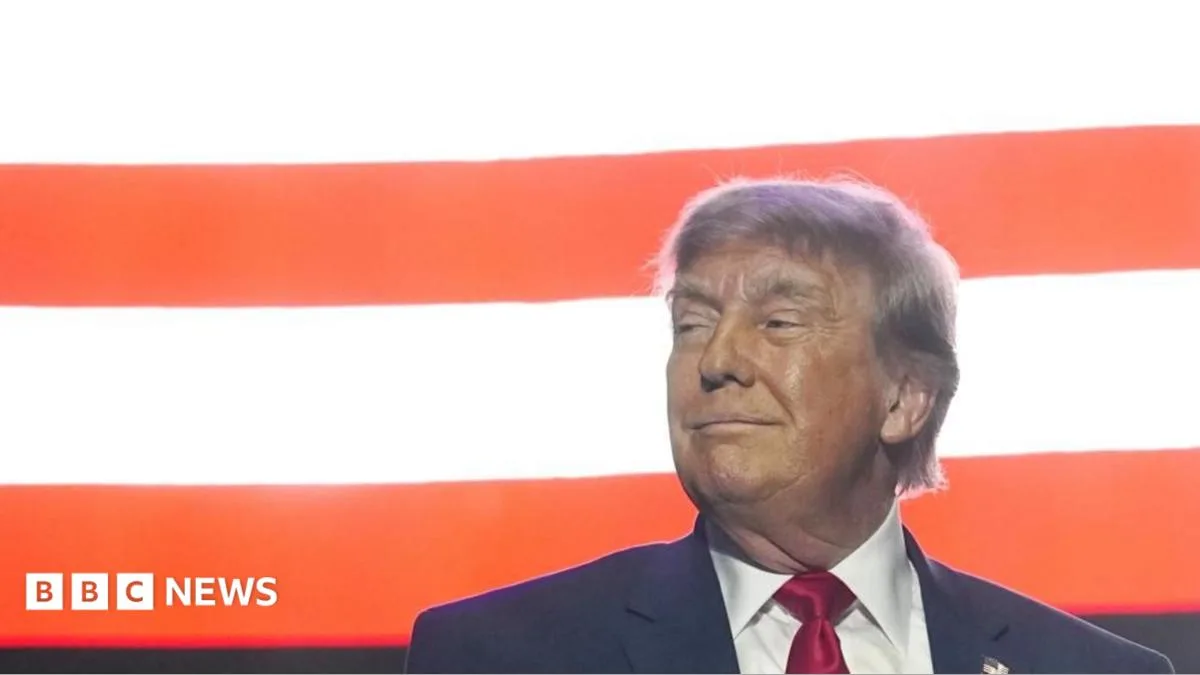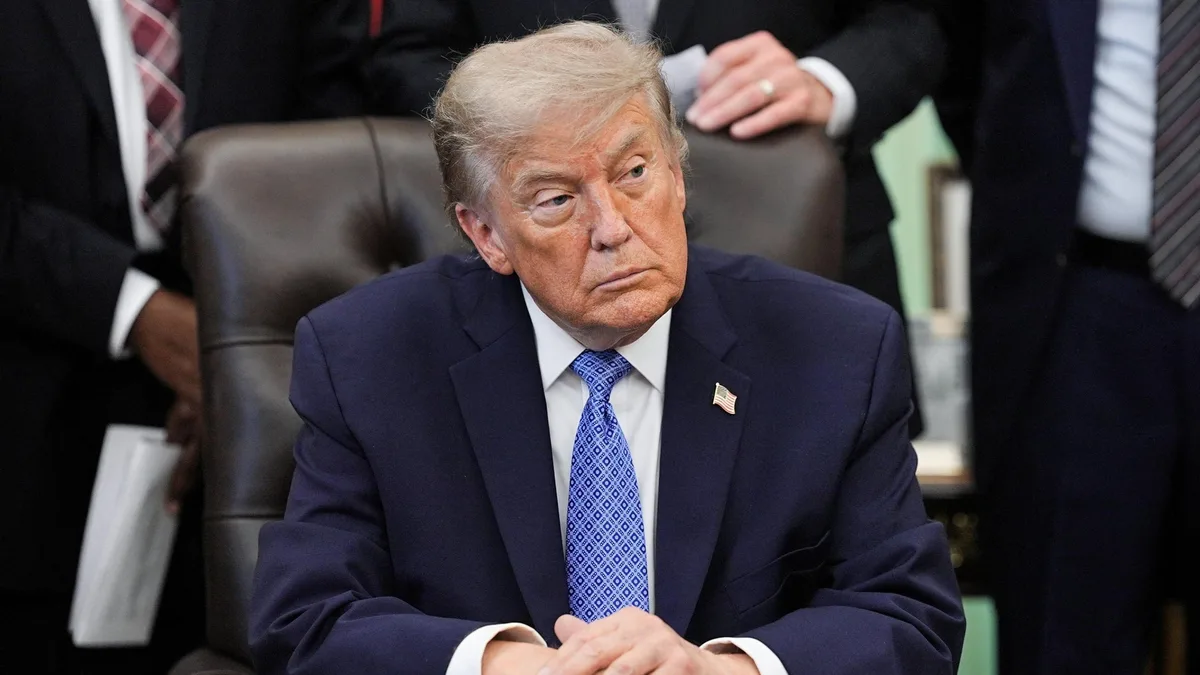
The US Supreme Court on June 30, 2026, ruled 6-3 that all children born in the United States, including those born to parents unlawfully or temporarily present, have a constitutional right to citizenship under the 14th Amendment [1, 2, 3, 4, 5, 6, 7]. The court struck down former President Donald Trump’s executive order that sought to restrict birthright citizenship for children of undocumented immigrants and some temporary visa holders [1, 2, 3, 4, 5, 6, 7].
Chief Justice John Roberts wrote the majority opinion affirming the citizenship right. He cited the 1898 case US v Wong Kim Ark and explained, "Citizenship, then and now, was the right to have rights - to freely participate in our political community. The Framers of the Fourteenth Amendment extended that promise to 'every free-born person in this land'. We keep that promise today." [2, 4, 5, 8, 6]
The 14th Amendment, ratified in 1868 after the Civil War, states that "all persons born or naturalized, and subject to the jurisdiction thereof, are citizens of the United States." [2, 4, 5, 8, 6] The court rejected Trump's argument that children of temporary or undocumented immigrants are not "subject to the jurisdiction" and therefore not citizens at birth [2, 4, 5, 6]. The dissenting justices Clarence Thomas, Samuel Alito, and Neil Gorsuch disagreed, arguing against extending citizenship to children of temporary or undocumented immigrants [2, 4, 8, 6]. Justice Thomas authored a 90-page dissent, part of the 194-page ruling documentation [4].
Trump’s executive order, issued January 20, 2026, targeted children born to undocumented immigrants and those with lawful but temporary visas such as H-1B, L-1, student, and temporary labor visas [3, 4, 5, 8]. Trump criticized the court decision on social media, calling it "too bad for our country" and urged Congress to act. He said, "No long and unwieldy constitutional amendment is necessary. Congress should today start work on ending expensive, and unfair to our country, birthright citizenship." [2, 9, 8, 6]
Following the ruling, the US Justice Department ordered federal prosecutors to prioritize investigations into birth tourism, which involves fraudulent attempts to obtain citizenship through births on US soil [10, 11, 12]. Acting Attorney General Todd Blanche said, "What we have to do as Department of Justice is make sure our agents, our [Homeland Security Investigations] agents that we work with, and the FBI are focused on stopping that [birth tourism]." [11, 12] Justice Department official Colin McDonald added, "The Department of Justice will zealously protect the sanctity of United States citizenship by investigating and prosecuting those who fraudulently exploit our immigration system." [10]
Birth tourism is estimated to result in 20,000 to 26,000 births annually by women on tourist visas [11]. The Supreme Court ruling marks a significant defeat for Trump’s immigration agenda but was part of a Court term that overall expanded executive power favorable to him [9, 6, 7]. The policy of birthright citizenship has been in place for 158 years since the 14th Amendment’s ratification in 1868 [2, 4, 5].
The Supreme Court heard oral arguments on Trump v Barbara in April 2026 before issuing the ruling on June 30, the final day of its term [4, 8, 11]. On July 1, Acting Attorney General Blanche confirmed the focus on combating birth tourism to enforce the Court's decision [11, 12].