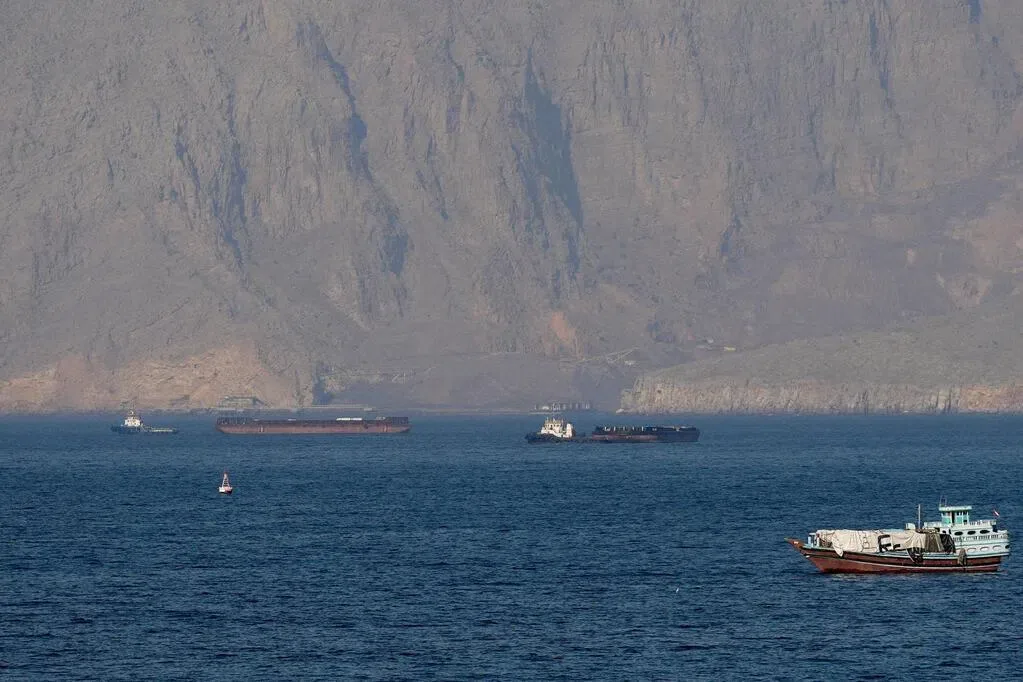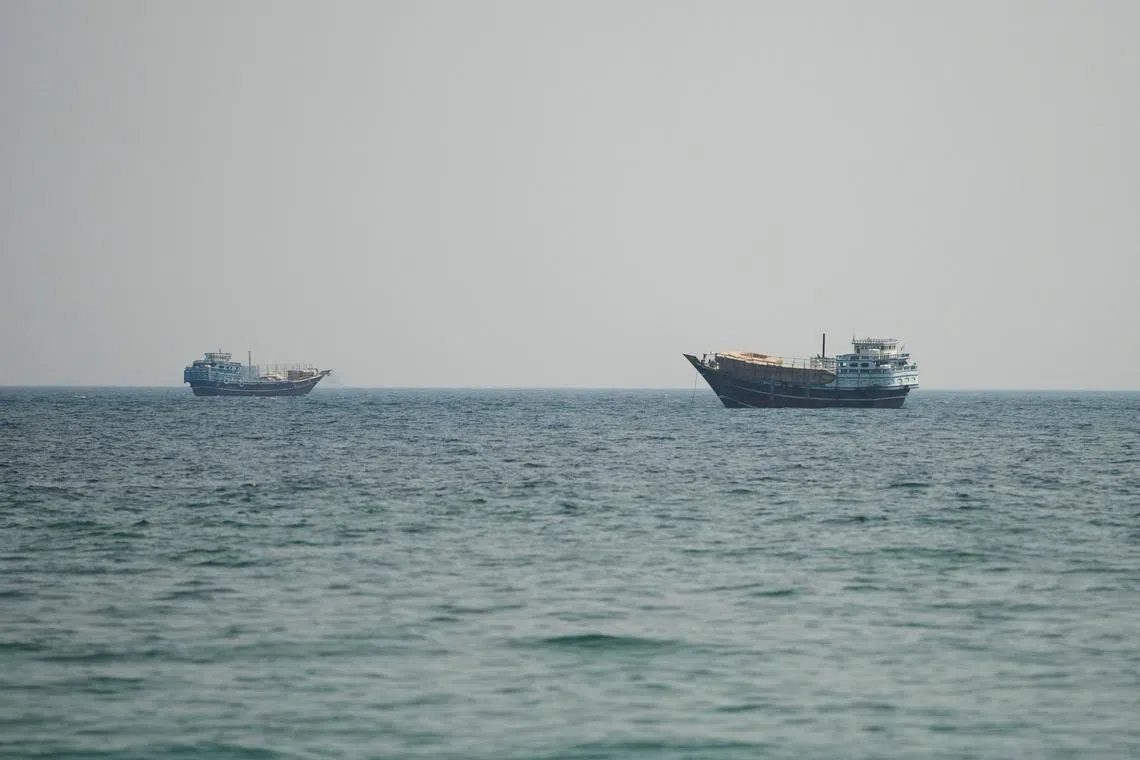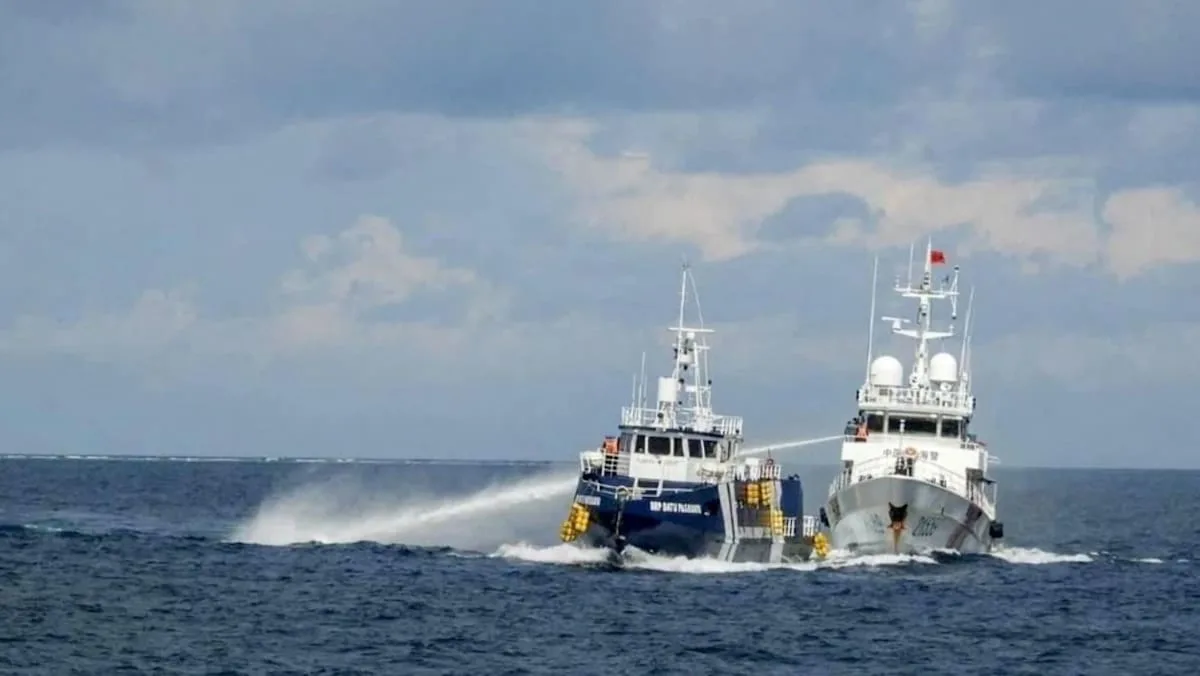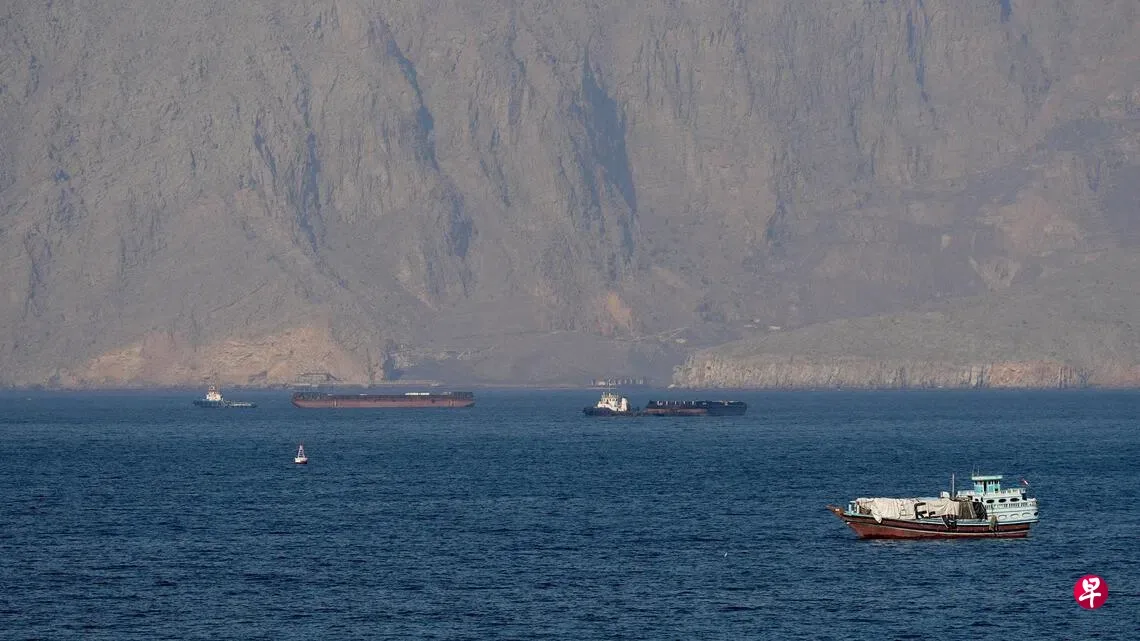
The US military will resume enforcing a maritime blockade on all Iranian ports, oil terminals, and coastal areas starting at 2000 GMT (4 p.m. US Eastern Time) on July 14, 2026 [1, 2, 3, 4, 5]. The blockade applies to all vessel traffic regardless of flag. Unauthorized vessels face interception, diversion, capture, or use of force [1, 2, 3, 4, 5].
Transit through the Strait of Hormuz to or from non-Iranian destinations will not be obstructed, but vessels may be inspected [1, 2, 3, 4, 5]. Humanitarian shipments carrying food, medical supplies, and other essentials may receive exemptions after inspection and approval [2, 3].
US President Donald Trump announced the blockade resumption and declared the US will act as the "guardian" of shipping through the Strait of Hormuz. He stated the US would impose a 20% "fee compensation" on all cargo transiting the strait to cover security costs. "The Strait of Hormuz is open and will remain open, with or without Iranian participation," Trump said in a statement [2, 3].
US Defense Secretary Pete Hegseth said, "Iran has made the wrong choice. Now they must pay the price" [5]. The US military has issued warnings to vessels and aircraft to maintain safe distances from the blockade areas to reduce risks of miscalculation [3].
This action reverses a memorandum of understanding signed on June 17, 2026, between the US and Iran to lift maritime blockades within 30 days [2]. The US Central Command announced the blockade lift on June 18, but on July 8, Trump declared the MOU was effectively ended amid renewed tensions [2]. On July 13, the US Navy-led Joint Maritime Information Center announced the blockade resumption to begin July 14 at 2000 GMT [1, 2, 3, 4, 5].
The blockade began enforcement as scheduled on July 14, 2026, at 4 p.m. US Eastern Time [2, 6, 4, 5].