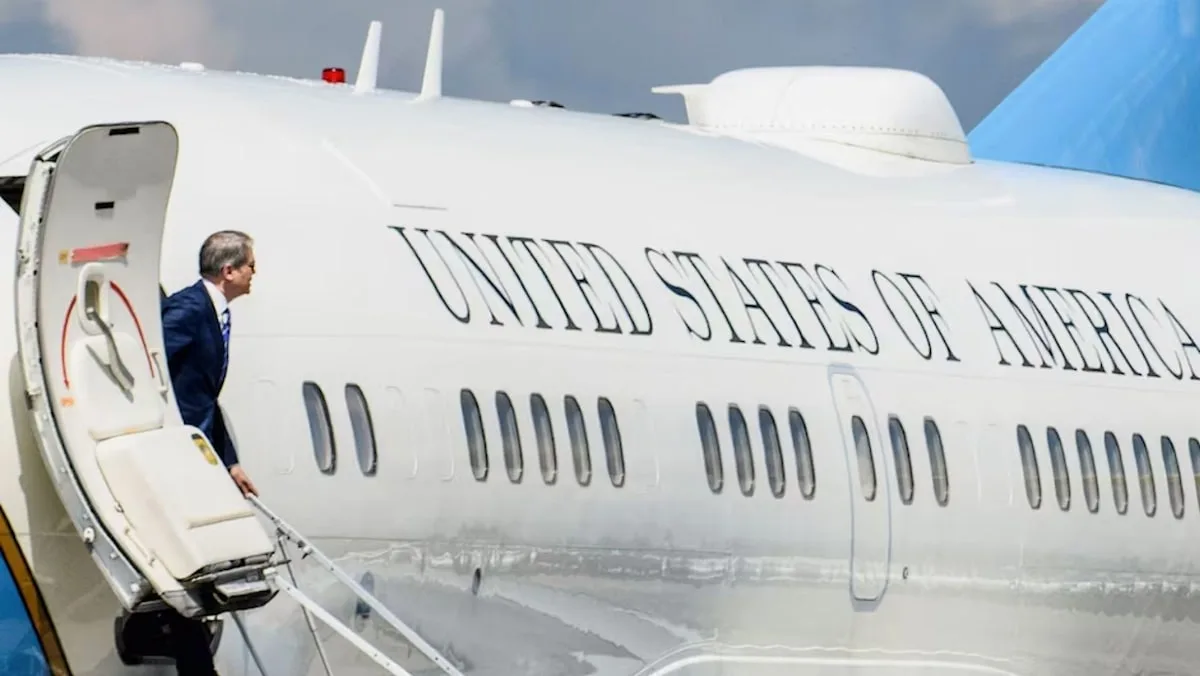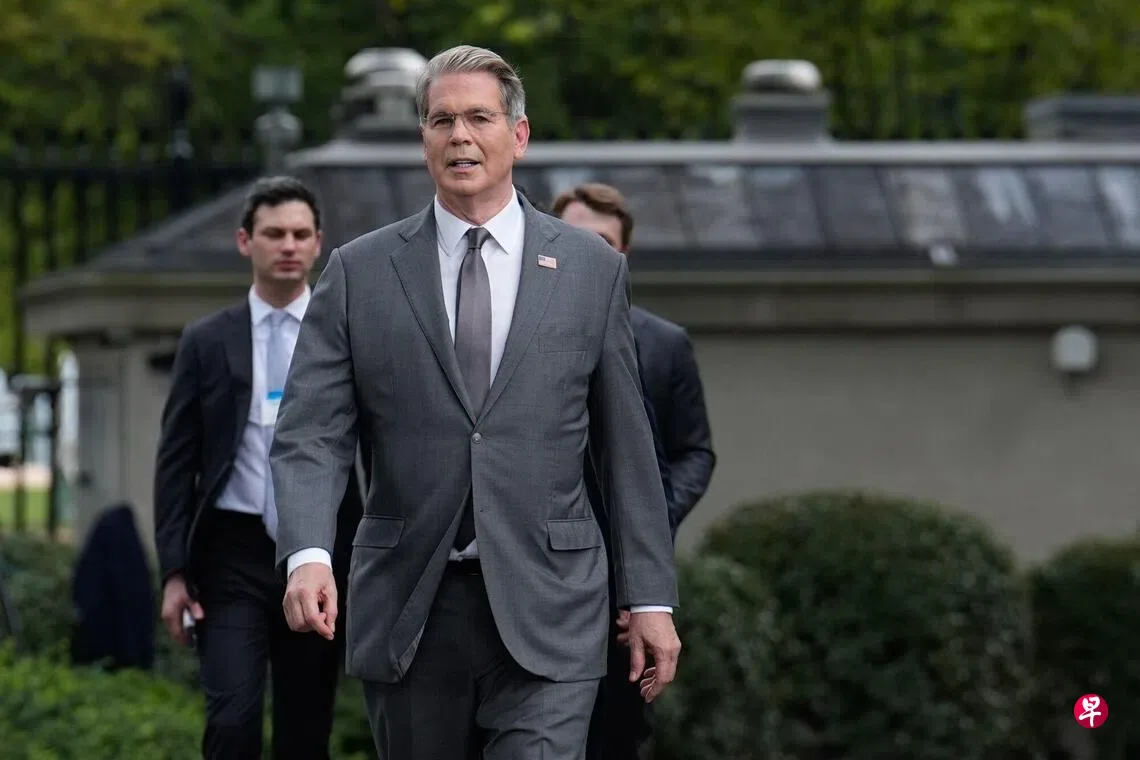
US Treasury Secretary Scott Bessent announced plans on August 30 to impose new secondary sanctions on Iran every week, initially targeting Iranian-related banks to tighten economic pressure on the regime [1, 2, 3]. Bessent said, "You will see more actions like this weekly. We are starting with banks, making clear that holding Iranian funds or aiding the regime is not allowed" [1]. He also warned the campaign could be a form of "financial violence," emphasizing those involved would be held accountable [4].
The US sanctioned Banque Misr’s branch in the UAE on August 28 for its dealings related to Iran, marking the first action in this economic isolation campaign [1, 5, 3]. Future US sanctions could entirely exclude certain financial institutions from the US dollar-based financial system [1, 5, 2]. Bessent stated, "All options are on the table" for sanctioning China over its continued purchases of Iranian oil [2]. US officials pressed G20 members, including China, at meetings in North Carolina to cut economic ties with Iran and consider trade barriers against China to address trade imbalances [2, 6, 3].
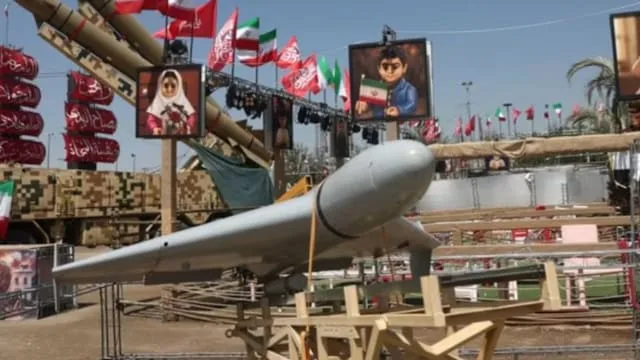
The White House regards economic isolation of Iran as a critical front alongside recent military strikes on Iranian rocket launchers near the Strait of Hormuz [3, 7]. Bessent indicated sanctions may soon expand to Iran’s aviation, maritime sectors, and digital assets [8]. He urged nations to avoid supporting the Iranian regime, saying, "The fastest way to end this conflict is for no one to give this regime any support" [8].
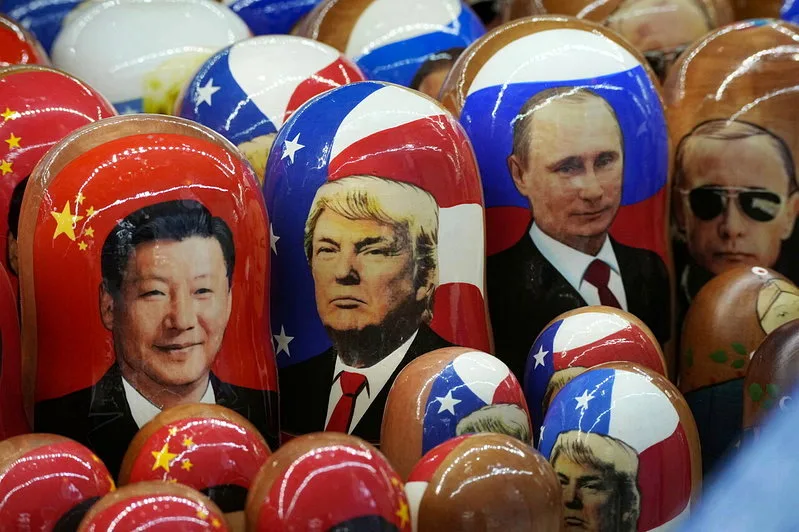
Iran’s economy has contracted sharply under US sanctions and blockades, with foreign trade down 35% and inflation rising to 66% [9]. Iranian leaders have hardened their stance, threatening severe retaliation including blocking Persian Gulf oil exports [7, 4]. Against this backdrop, the Shanghai Cooperation Organization summit, involving China, Russia, and Iran, will coincide with G20 meetings amid the rising US sanctions but doubts remain about coordinated responses [2, 6].
On September 2, Bessent confirmed sanctions may soon target Iran’s aviation, maritime industries, and digital assets as the US continues to tighten economic pressure [8]. The US sanctions campaign aims to escalate weekly, emphasizing financial isolation as a key part of their strategy [1, 2].