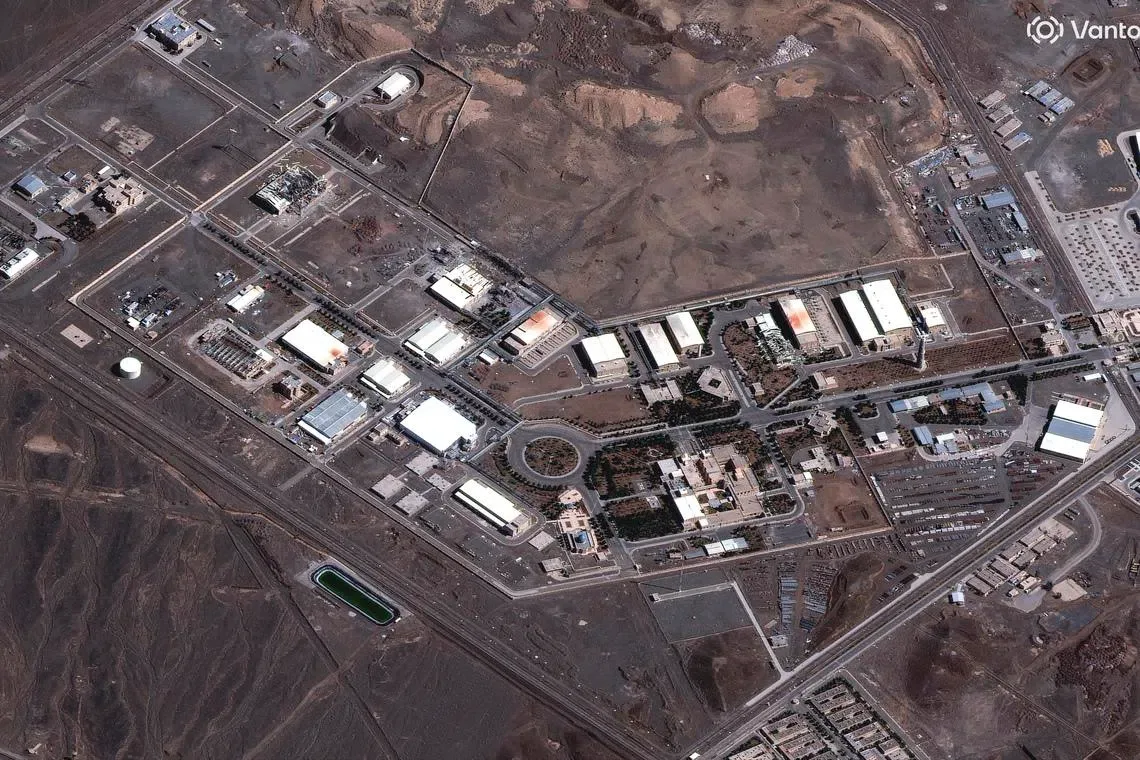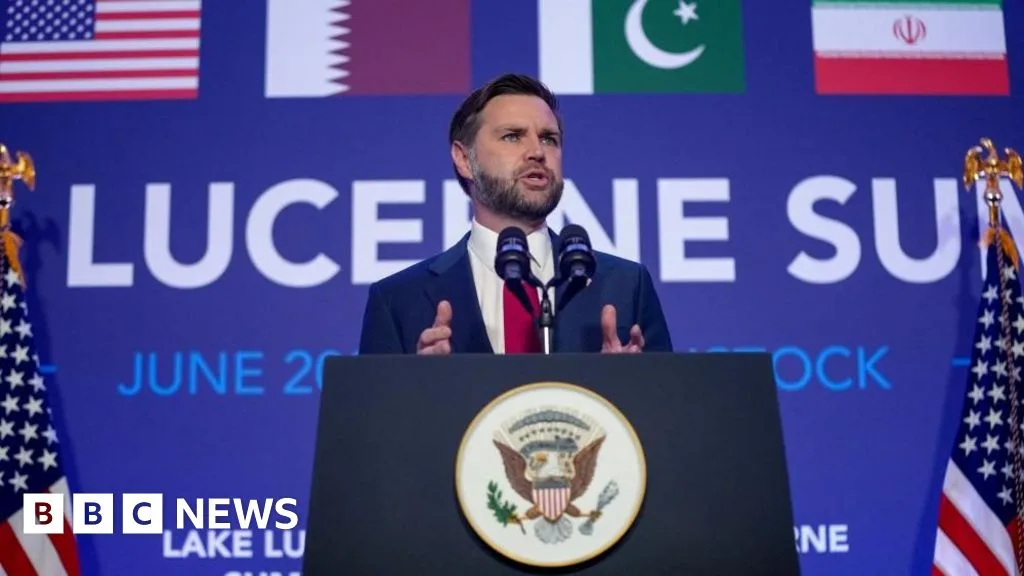
The United States and Iran resumed face-to-face peace talks on June 21, 2026, in the Swiss resort of Bürgenstock, seeking to end regional conflicts including fighting in Lebanon and to reopen the Strait of Hormuz [1, 2, 3, 4]. The talks follow a 14-point memorandum of understanding signed remotely on June 17, which committed both sides to ceasefire efforts and reopening the strategic shipping route within 60 days [5, 4].
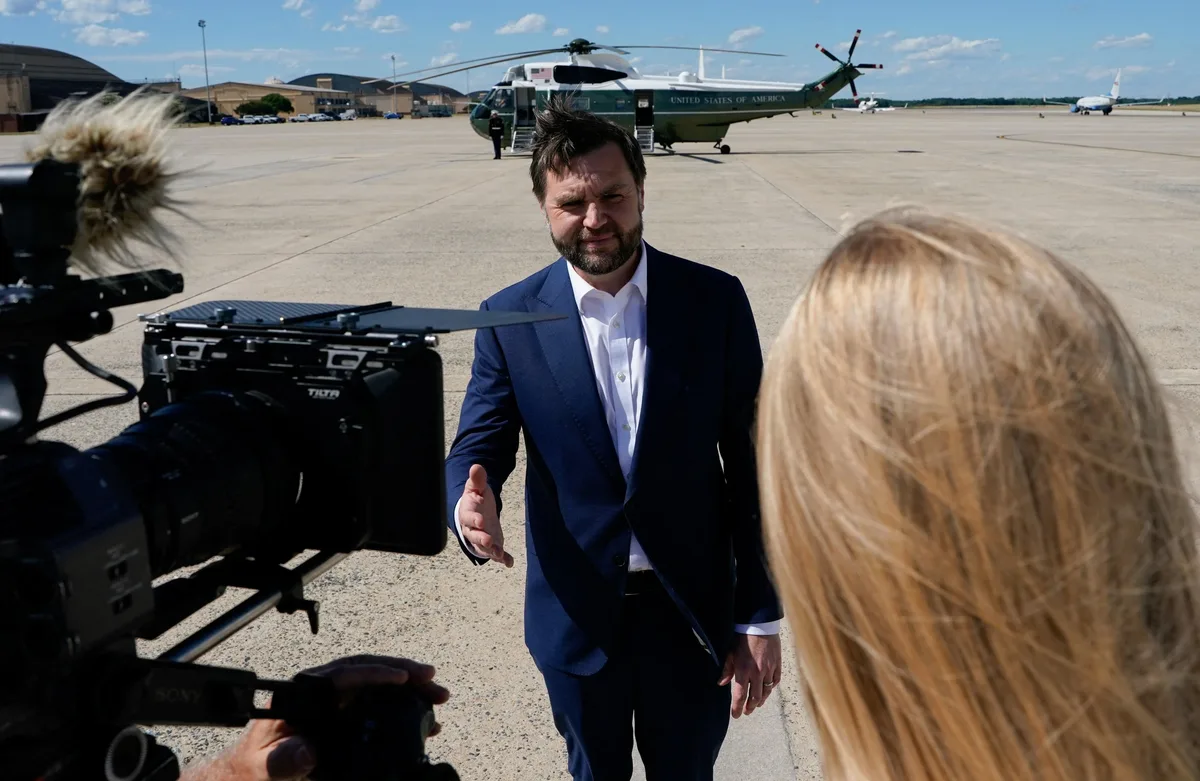
The US team is led by Vice President JD Vance, who called the talks "a major milestone for the American people and a first step in permanently... ending a nuclear weapons programme in Iran" [5]. Vance said the president had "asked us to turn over a new leaf and reshape our relationship with the Iranian people" [3]. Iran’s delegation is headed by Parliament Speaker Mohammad Bagher Ghalibaf and Foreign Minister Abbas Araghchi [1, 2, 3]. Ghalibaf warned that Iran’s forces were prepared to respond strongly if provoked, saying, "They better be careful with their words. Our forces are prepared to respond in another way... The real action is with us" [6].
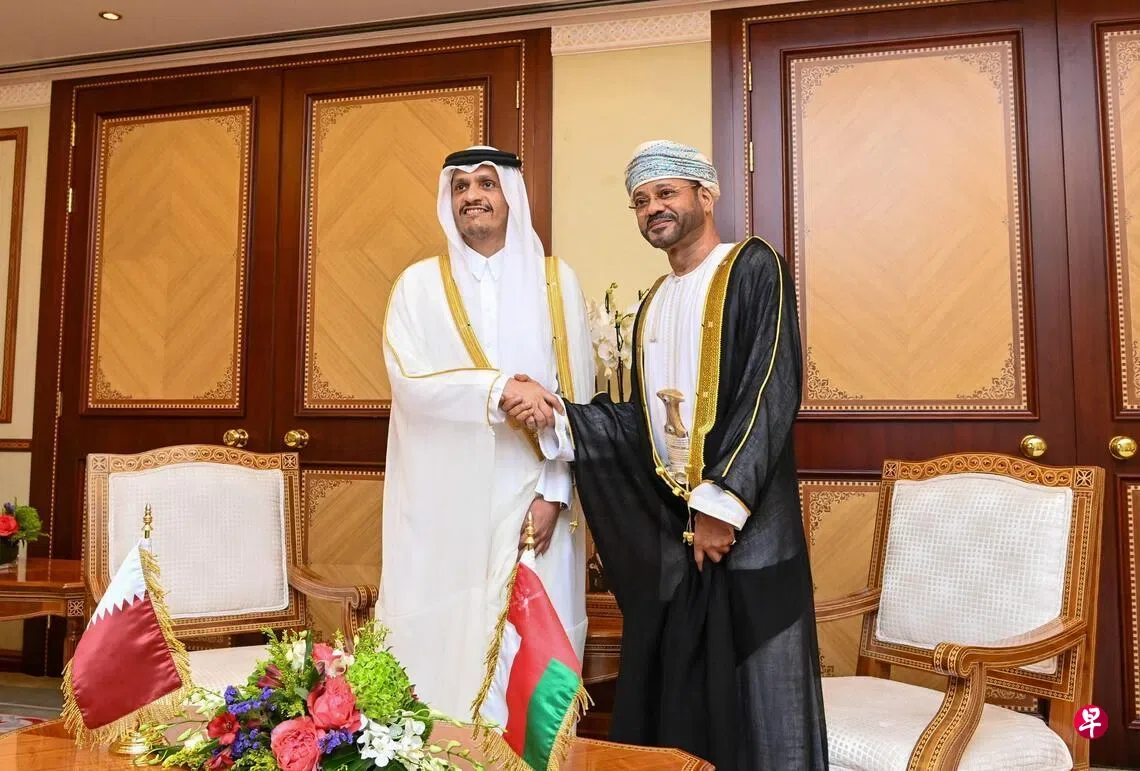
Pakistan and Qatar act as mediators and announced on June 22 the creation of a senior-level committee to oversee negotiations alongside a conflict de-escalation group focused on Lebanon [7, 4]. Both sides agreed on a roadmap aiming for a final deal by August 17, sixty days after signing the initial memorandum [5, 8, 7, 4]. The talks cover several issues, including Iran’s nuclear program, regional ceasefire, the reopening of the Strait of Hormuz, and economic sanctions relief [5, 3, 7, 4].
Tensions disrupted the talks. On June 19, planned direct US-Iran negotiations in Geneva were canceled due to Israeli military operations in southern Lebanon and logistical problems [9]. Iran announced the closing of the Strait of Hormuz on June 20 in response to Israeli actions, though the US military denied observing any closure and commercial shipping continued, with 55 vessels passing through on June 21 [3, 6, 10, 4]. US President Trump issued threatening social media posts warning that if Iran’s proxies in Lebanon did not stop, "we will strike Iran hard again, even more fiercely than last week" [6]. Following these threats, Iran temporarily suspended talks on June 21 [6, 11, 7, 4].
Despite these interruptions, mediation efforts pushed forward. The senior-level committee announced on June 22 will monitor progress to meet the 60-day deadline for a comprehensive settlement [7, 4]. The talks continue as the deadline approaches in mid-August.