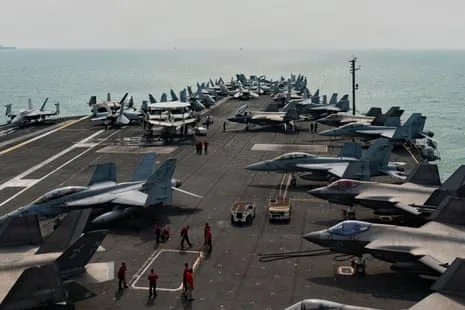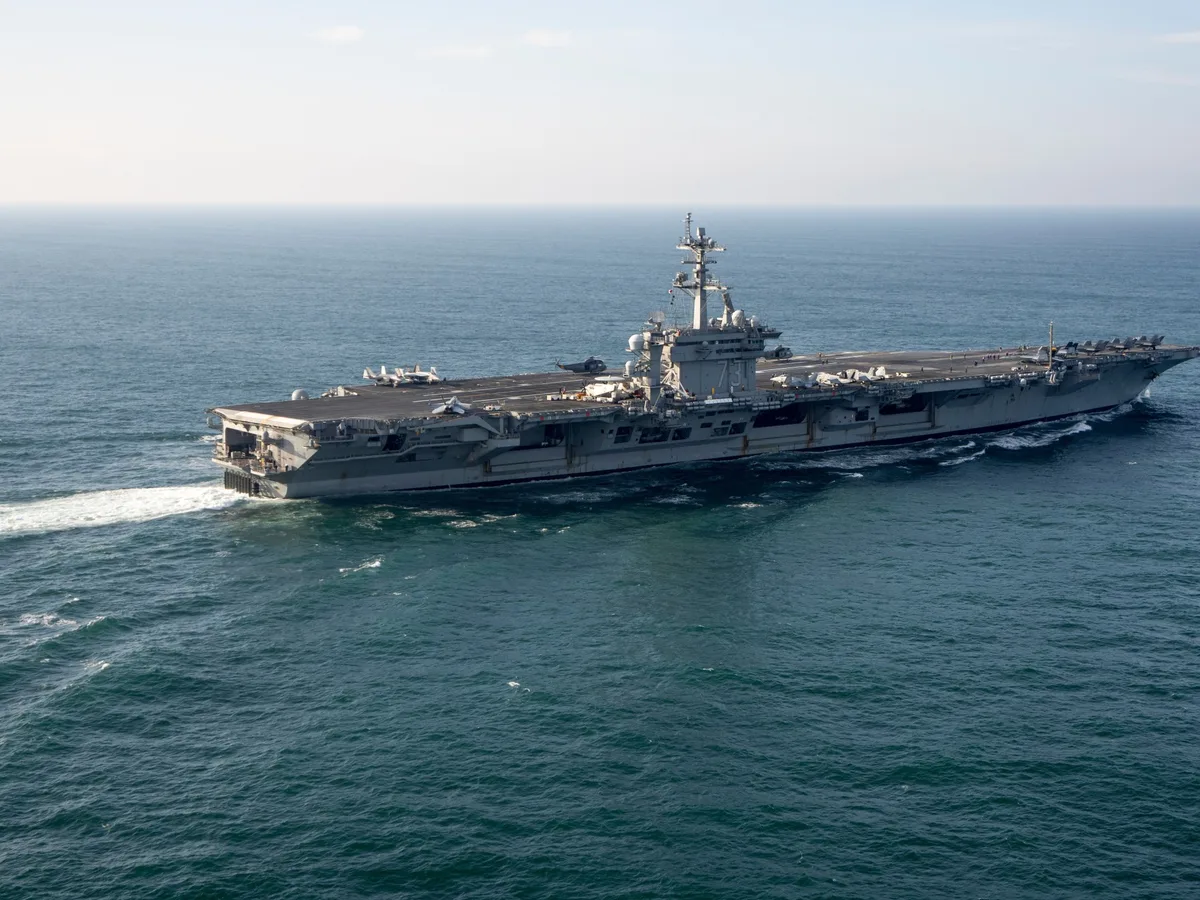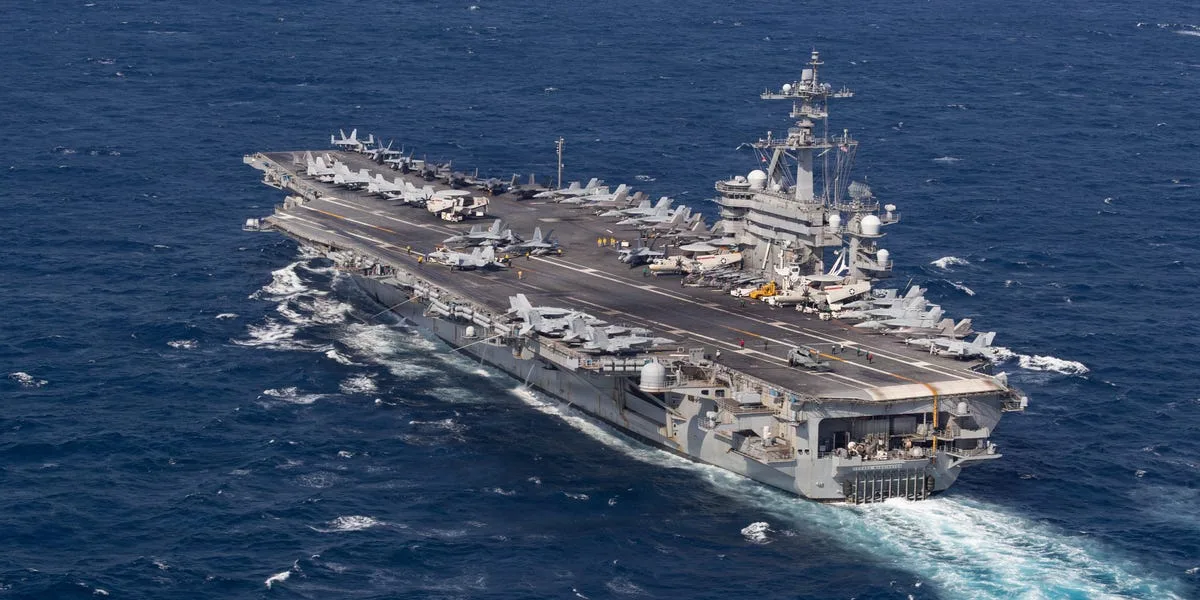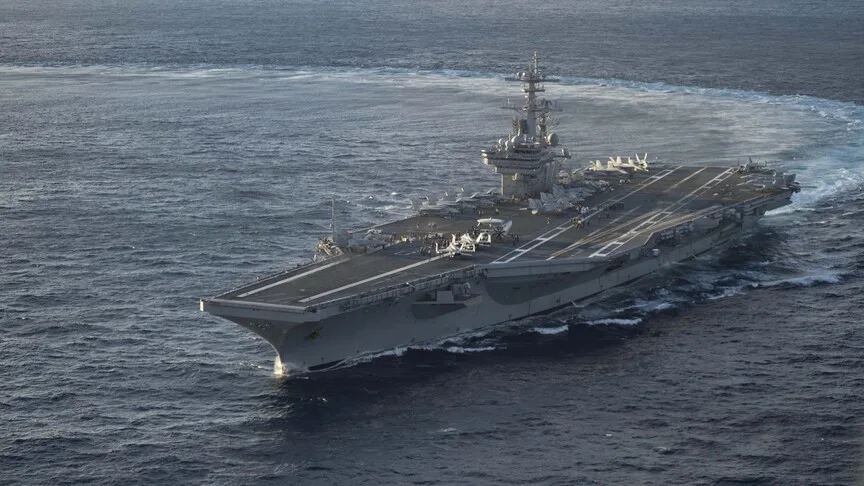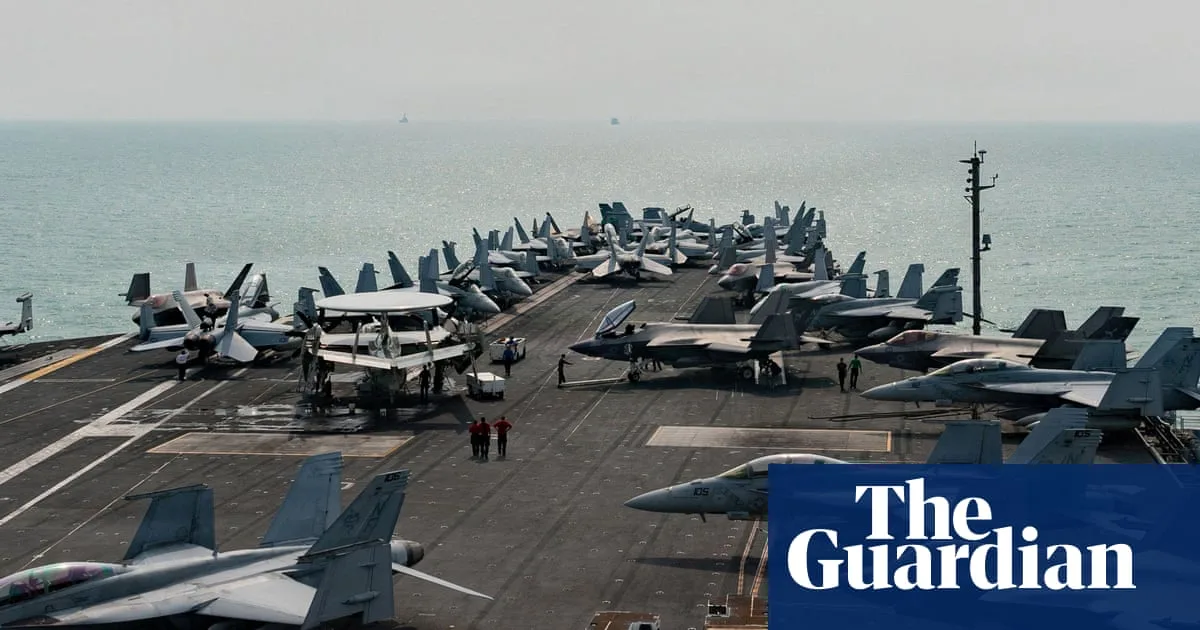
The USS George Washington aircraft carrier arrived in the Middle East on August 19 to relieve the USS Abraham Lincoln after an extended deployment exceeding 250 days without a major port visit supporting U.S. operations against Iran [1, 2, 3, 4]. The Lincoln’s deployment, which started in November 2025 and was rerouted following the US-Israel conflict with Iran in February 2026, became one of the longest without significant shore leave [2].
Family members of the approximately 5,000 sailors and Marines aboard the Lincoln reported deteriorating living conditions. They described shortages of food and water, mental health struggles, and low morale. One sailor’s wife said, "There's less hope in the way he talks and less positive things that he has to say... He’s just exhausted. It’s a long, long deployment and it takes a toll" [1]. Media reports highlighted inadequate meals and exhausted crew members showing signs of morale decline [1].
Several Democratic lawmakers called for investigations into the Navy’s management of the deployment and expressed concern for the sailors' welfare [1, 2]. However, U.S. military officials emphasized the George Washington’s arrival was part of a scheduled rotation, not a direct response to the conditions reported on the Lincoln [1, 2, 3, 4]. Secretary of Defense Pete Hegseth called media coverage "shameless and reckless, intentionally misrepresenting conditions on the ship" while Acting Navy Secretary Hung Cao assured the Lincoln would return home soon, underscoring that sailor safety remains a priority [3]. President Donald Trump referred to the relief as a swap of "another very similar ship" [3].
The George Washington left its previous deployment in the Western Pacific, departing Japan and temporarily leaving no U.S. carrier positioned there [2, 3, 4]. On August 20, CENTCOM confirmed the George Washington’s arrival and operational status in its area of responsibility [1, 4].