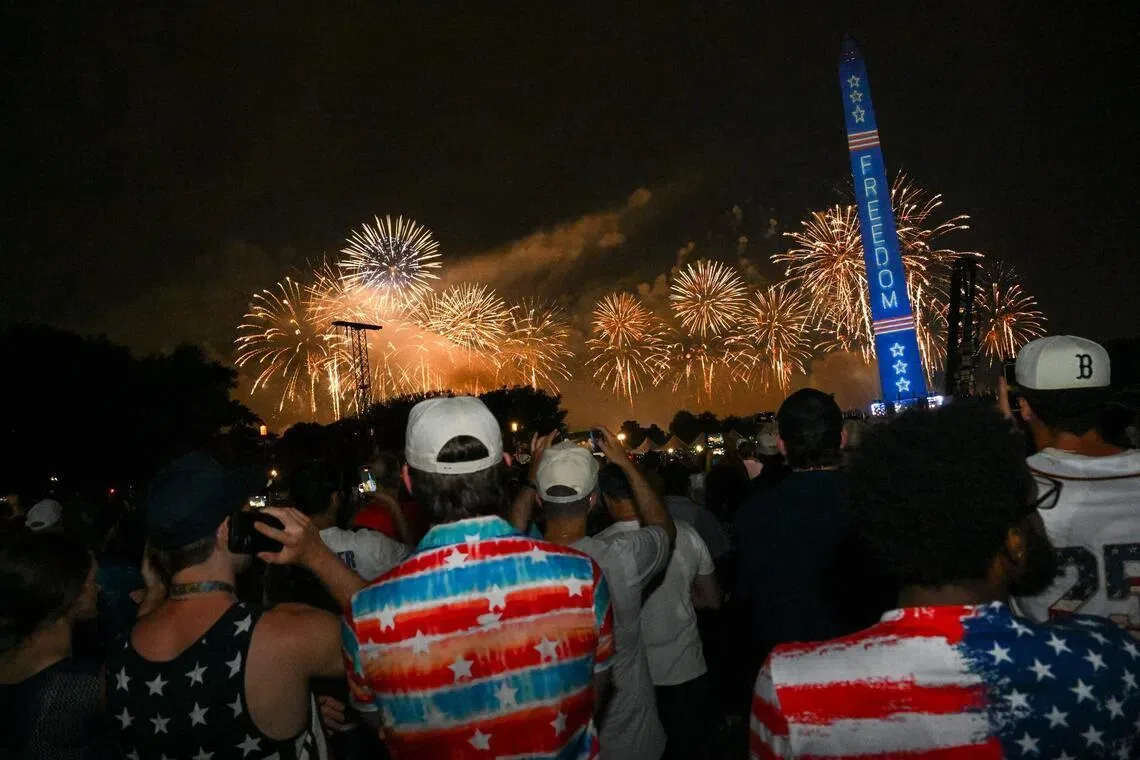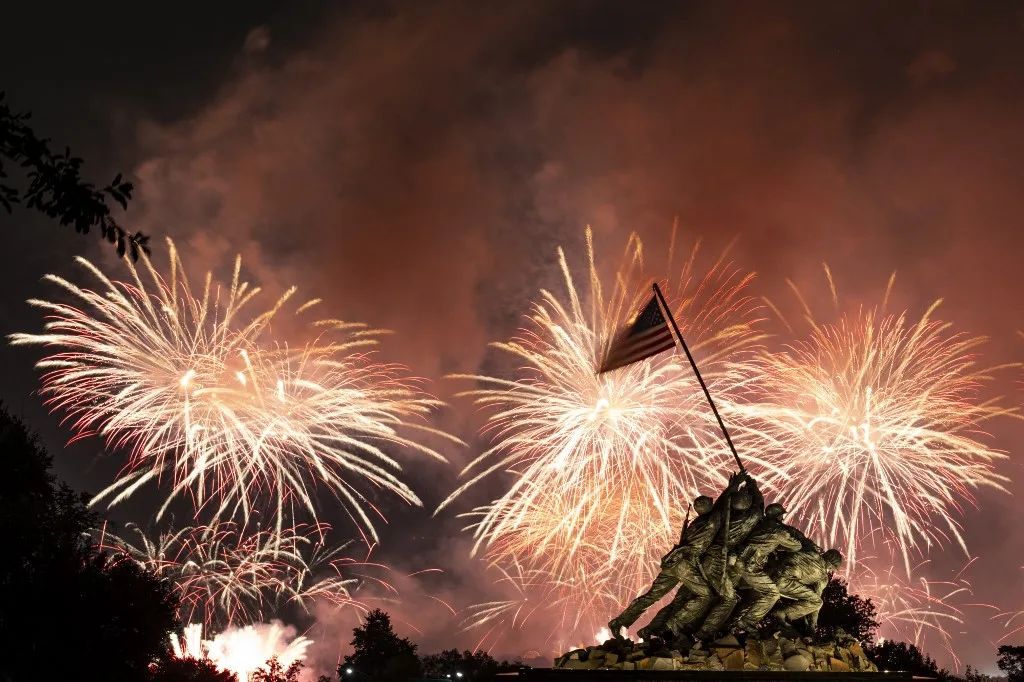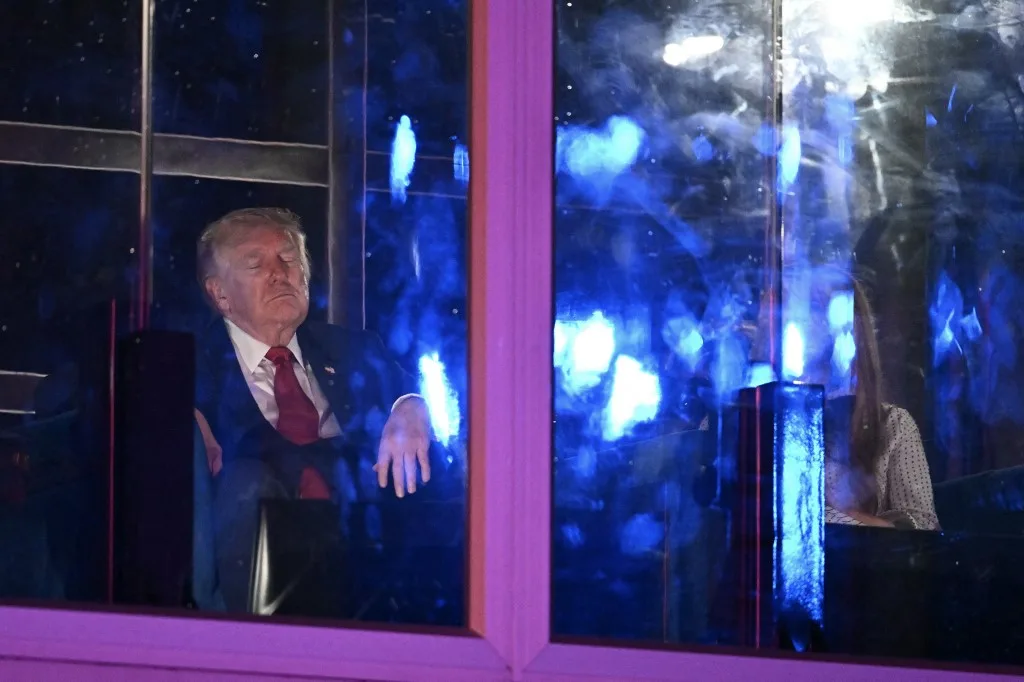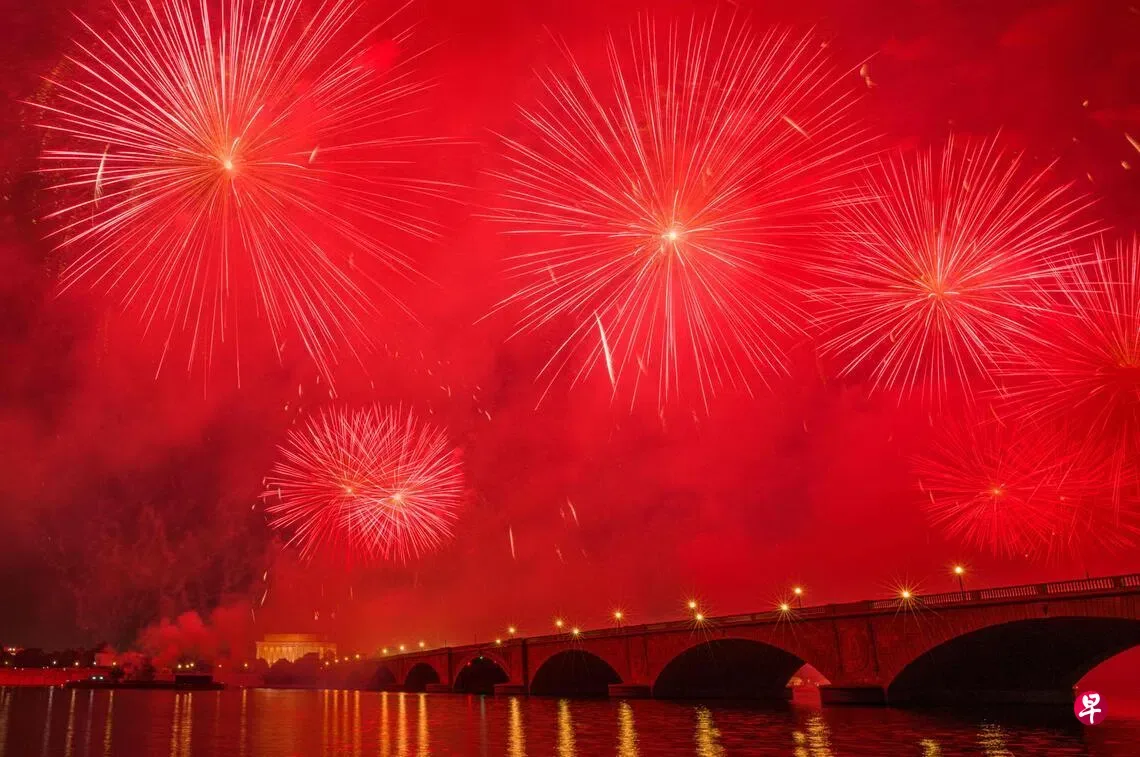
Washington D.C. held the world’s most polluted major city ranking between 3 a.m. and 5 a.m. on July 5 after a large Independence Day fireworks show for the US 250th anniversary [1, 2, 3, 4]. The display involved launching approximately 850,000 fireworks over about 40 minutes, far surpassing previous records such as the 811,000 fireworks set in the Philippines in 2016 [1, 2, 3, 4]. The White House's Freedom 250 organization commissioned the event, which was executed by Pyrotecnico [1, 5, 2, 3, 4].
The main fireworks show was delayed by more than an hour due to a thunderstorm and finally began just before midnight on July 4 [1, 5, 2, 3, 4]. It coincided with a record-breaking heatwave that disrupted typical Independence Day celebrations including parades, block parties, and barbecues [1, 5, 2, 3, 4].
Fine particulate matter (PM2.5) surged during the event, peaking above 200 micrograms per cubic meter, greatly exceeding the US EPA 24-hour standard of 35 micrograms per cubic meter [1, 5, 2, 3, 4]. This spike prompted "Code Purple" air quality alerts, indicating very unhealthy air for all populations across Washington D.C., Virginia, and Maryland [1, 5, 2, 3, 4]. Experts cautioned that the rapid release of so many fireworks posed serious health risks due to intense particle pollution [1, 5, 2, 3, 4].
Russell Dickerson from the University of Maryland noted, "我们躲过了一劫。情况确实非常糟,但原本可能还会更加严重。" The EPA spokeswoman Brigit Hirsch commented, "烟火很精彩,希望大家都在美国首都及周边地区尽情享受了庆祝美国建国250周年的烟火秀。" [2]
According to IQAir data, the pollution ranking dropped sharply by midday July 5 after a heavy rainstorm helped clear the air. Washington fell to the 41st most polluted major city globally, with cities like Jakarta, Kinshasa, and Addis Ababa taking the top spots [1, 2, 3, 4].
Guinness World Records has received the record application for the fireworks but has not yet confirmed whether the US display broke the existing record, pending additional verification [2, 3, 4].