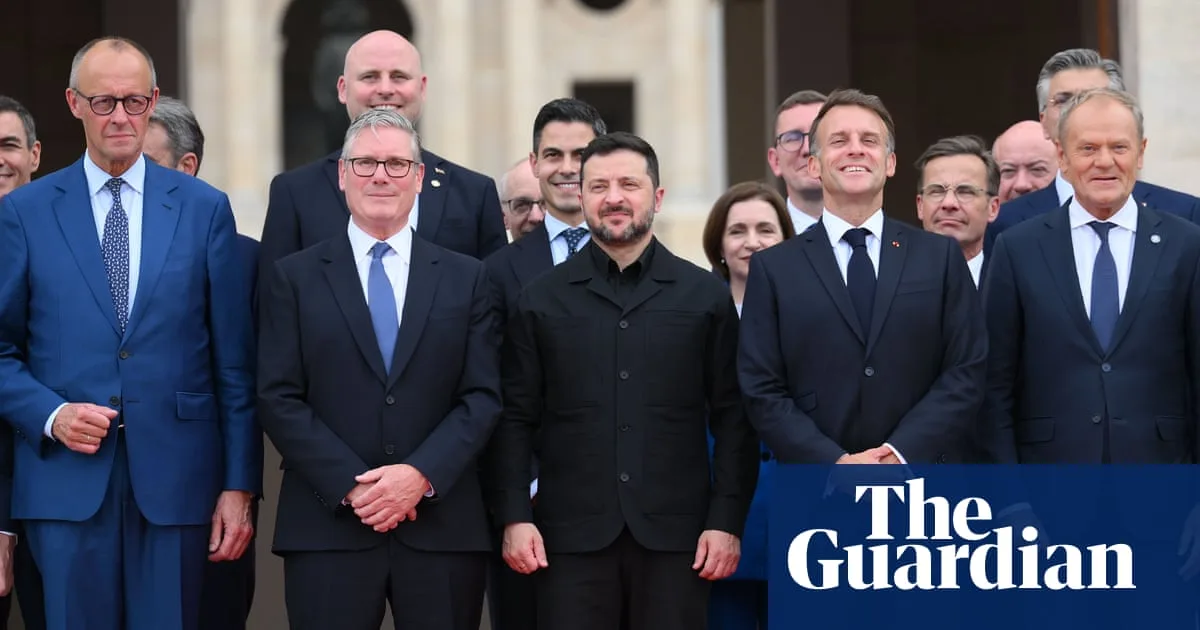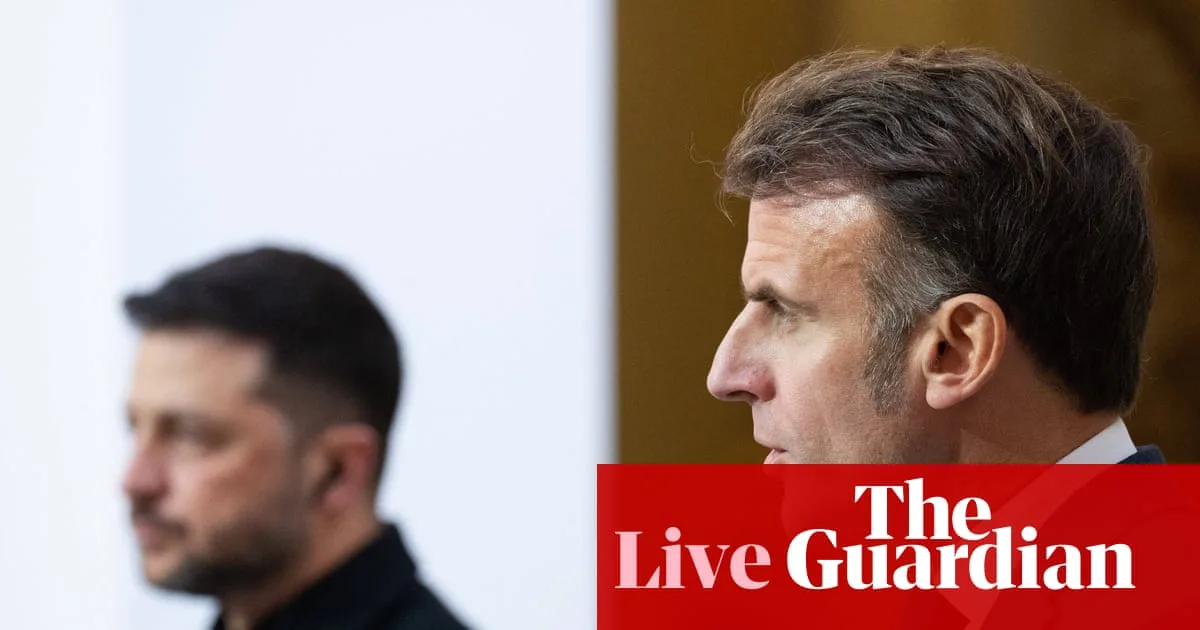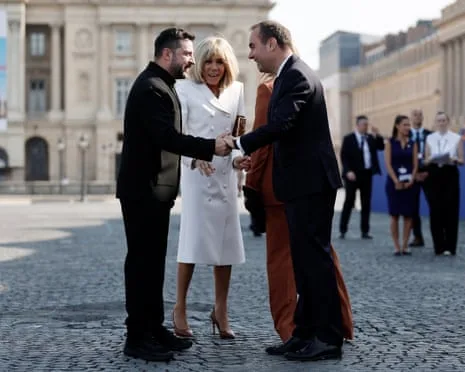
Ukrainian President Volodymyr Zelenskyy met with at least 25 Western allied leaders in Paris on July 13 to discuss increased defence aid and coordinated support for Ukraine amid ongoing Russian attacks [1, 2, 3, 4, 5]. The meeting, held under the 'Coalition of the Willing,' focused on enhancing Ukraine’s air defence capability and building a European ballistic missile defence programme based on Ukraine’s battlefield experience [2, 3, 4].
Coalition members sought commitments to supply air-defence systems such as US Patriot batteries and Franco-Italian SAMP-T missile interceptors to help Ukraine counter growing missile threats [1, 3, 4, 5]. Ukraine faces critical shortages of munitions for its existing air defence systems, limiting its ability to intercept hypersonic Russian ballistic missiles, a significant strategic challenge noted by coalition officials [3, 4, 5].
Discussions also addressed reducing Moscow’s financial resources by targeting Russia’s 'shadow fleet' of oil tankers, which use complex ownership schemes to evade sanctions [4, 6, 5]. France announced sanctions against individuals and entities linked to a broad Russian cyber espionage campaign aimed at at least 10 European countries, with Foreign Minister Jean-Noël Barrot saying, "We will also impose sanctions on nine individuals and four entities responsible for this cyber campaign, which was orchestrated by the FSB security service" [1].
Meanwhile, European Union foreign ministers held separate meetings to finalize the bloc’s 21st round of sanctions on Russia, expected to include maritime service bans and energy export restrictions [1]. The UK confirmed it has joined the EU’s €90 billion support loan for Ukraine, enabling British companies to supply weapons and defence technology. British Prime Minister Keir Starmer said the agreement "will help ensure Ukraine gets the support it needs to defend itself against Russian aggression, while backing British defence companies, supporting skilled jobs and strengthening our national security" [2, 7].
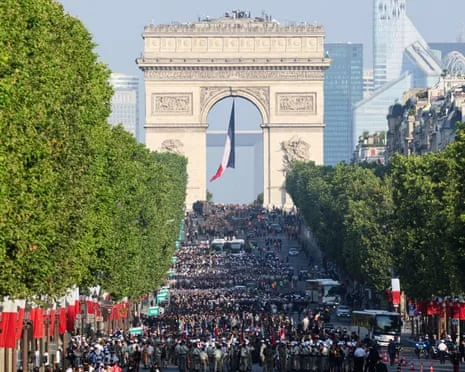
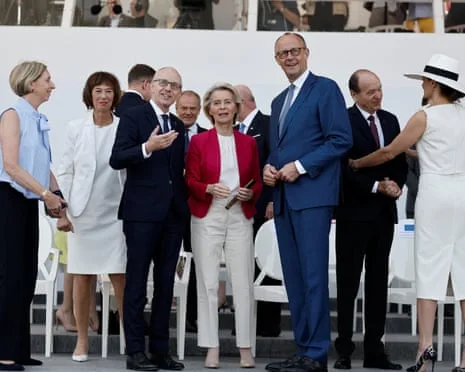
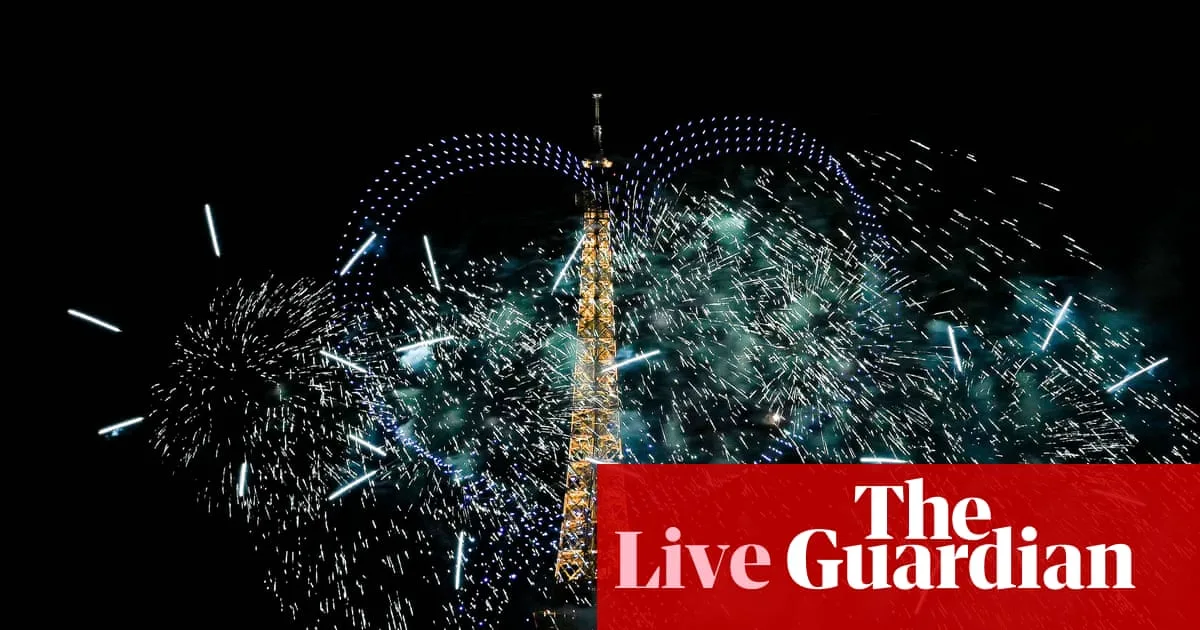
The day after the coalition meeting, France staged its Bastille Day parade on July 14 in Paris. It featured 500 troops from the coalition, including Ukrainian soldiers, as part of a strategic signal of European military unity [8, 9, 10]. The parade included over 300 vehicles, 6,500 soldiers, and an air display with aircraft from 11 European countries, including Ukrainian co-pilots flying alongside French pilots. French President Emmanuel Macron, who hosted the coalition meeting, said, "It’s a great honour to welcome to the parade all the partners in the coalition of the willing" [8, 9, 10]. Macron is expected to step down before the next French presidential election [1, 8, 9, 10].
France indicated upcoming announcements on bilateral cooperation for joint weapons production and plans for joint military exercises among coalition members [4, 6, 5]. The coalition acknowledged the increasing ballistic missile threat and committed to building an integrated missile defence architecture across Europe and Ukraine [2, 3, 4].
The EU is expected to approve its latest sanctions package against Russia next week, further targeting maritime services and energy exports to reduce Moscow's war financing resources [1, 4, 5].