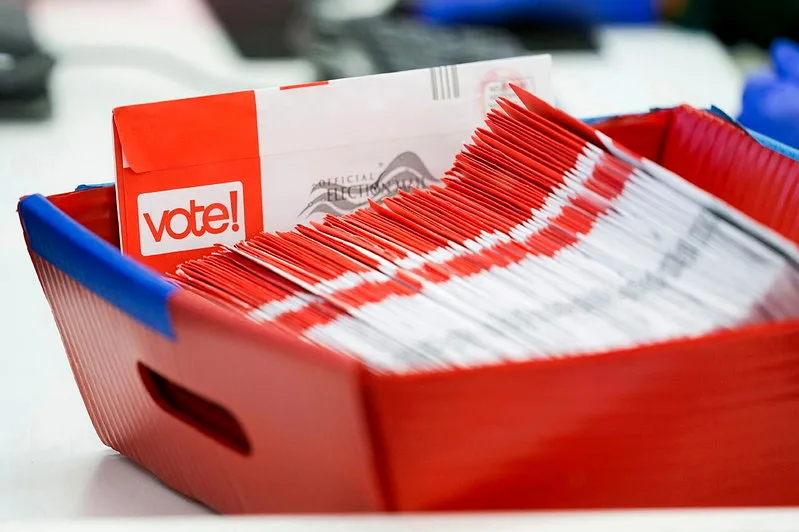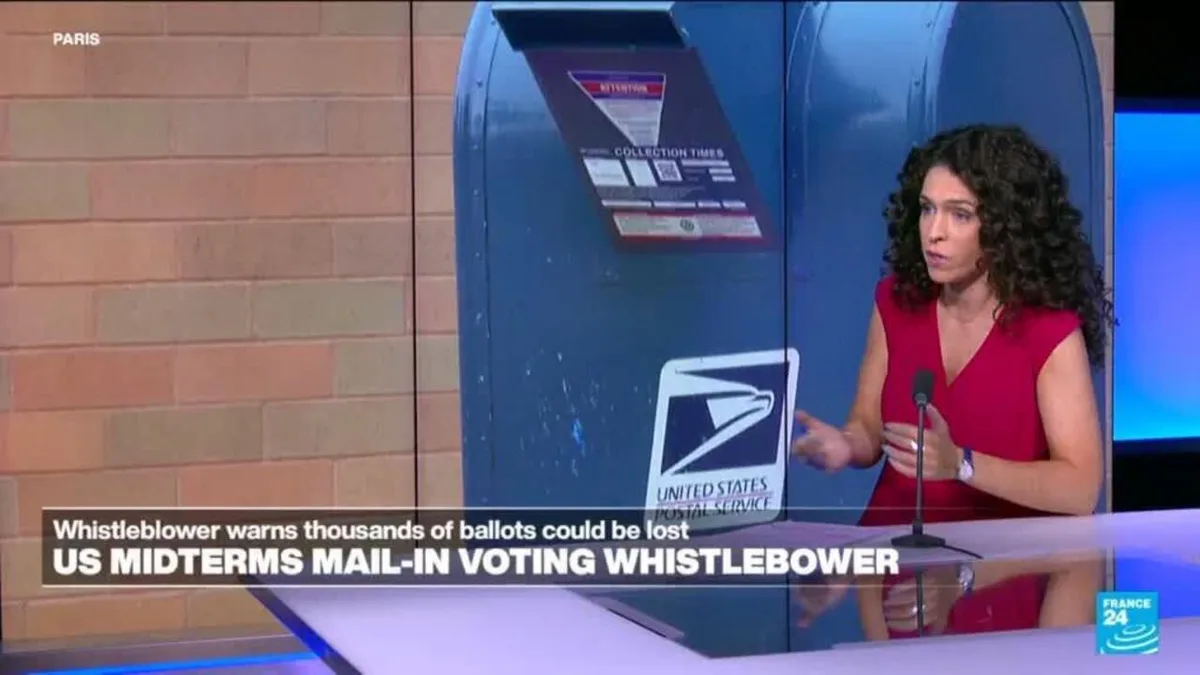
The U.S. Postal Service rushed development of a complex mail voting system from the usual timeline of over one year to just three months, a whistleblower alleges, creating numerous errors that could prevent millions of mail-in ballots from reaching voters before the midterm elections [1, 2]. The new system enforces a zero-error tolerance: if any scanning error occurs in a batch of ballots, USPS may reject sending that entire batch until issues are fixed, potentially delaying thousands of votes [1, 2].
The system is directly linked to a March executive order signed by former President Trump requiring USPS to send mail ballots only to voters listed by the U.S. Citizenship and Immigration Services and Social Security Administration. Critics view this mandate as restricting voter access and rights [1, 2].
Democratic Senator Richard Blumenthal condemned the system, saying, "The Postal Service designed a system to deprive millions of Americans of their right to vote. This administration seems determined to rewrite America's voting rules for political reasons" [1]. He also criticized the zero-tolerance error policy: "A single unscannable barcode in a batch could lead to rejecting thousands of ballots with no recourse" [2].
Postal workers’ union president Jonathan Smith called the whistleblower’s report a reveal of the executive order’s true intent: "to take away the vote Americans have fought and died for," adding it "is sowing chaos within a system proven safe and reliable for millions" [1]. Election officials have also voiced concerns that the new system will hamper the reliability of mail voting [1].
Development of the system began June 15, paused on June 25, then resumed July 29 amid ongoing legal challenges and court orders blocking the restrictions [1]. Testing was minimal compared to standard large-scale IT projects, increasing the risk of failures during rollout [2].
About one-third of U.S. voters rely on mail voting, raising the stakes for the new system’s successful implementation [1, 2]. Despite warnings, USPS planned to launch the system on September 2, 2026, amid continuing legal battles and expert concerns [2].
An unnamed federal official supporting the whistleblower described the development as "rushed and sloppy, creating great risk... millions of Americans may not receive their ballots in time or at all" [2].
The system is set to go live today, September 2, with millions of ballots potentially at risk of delay or rejection due to the new requirements and error policies [2].