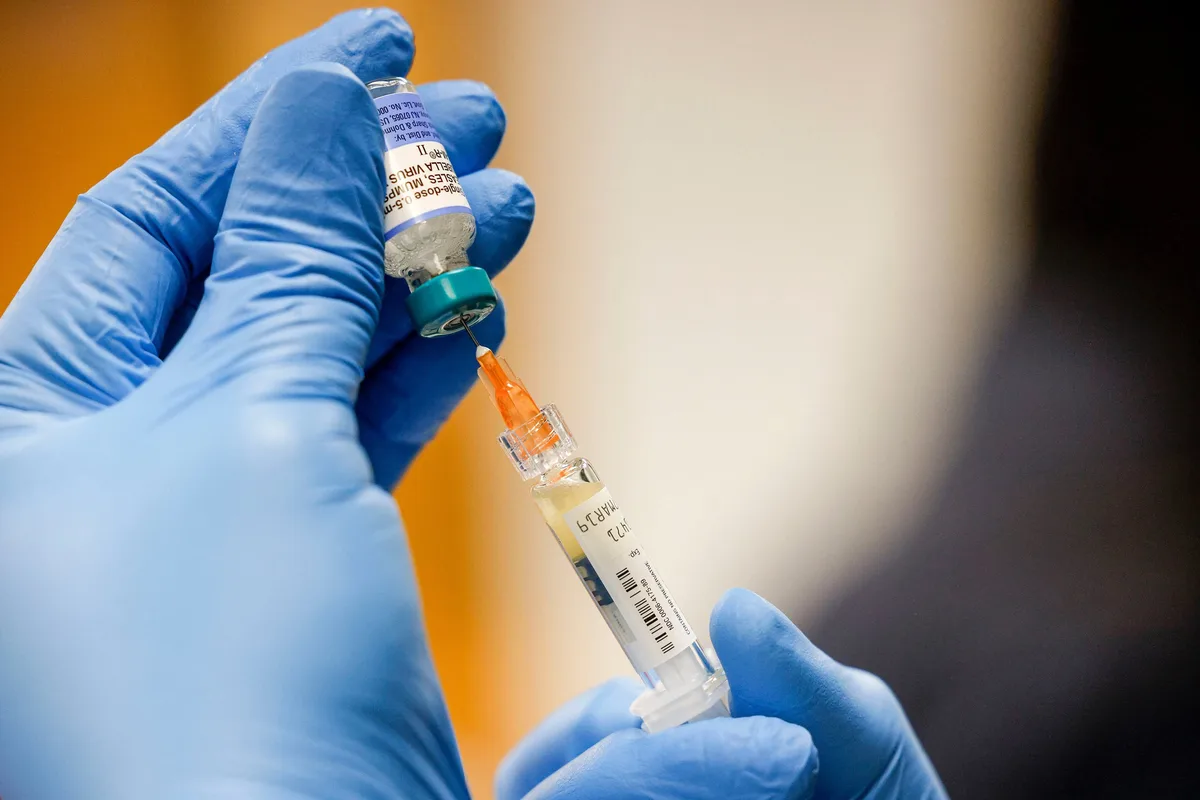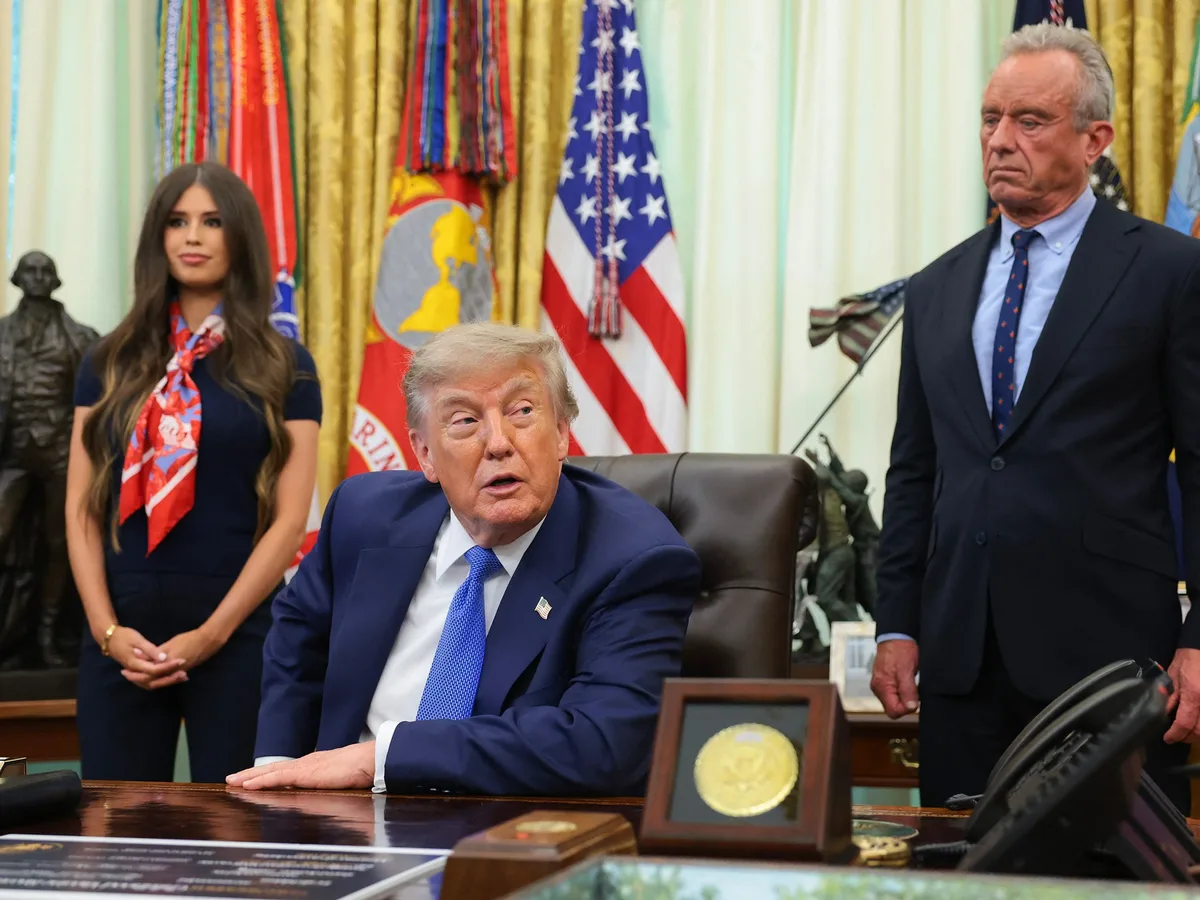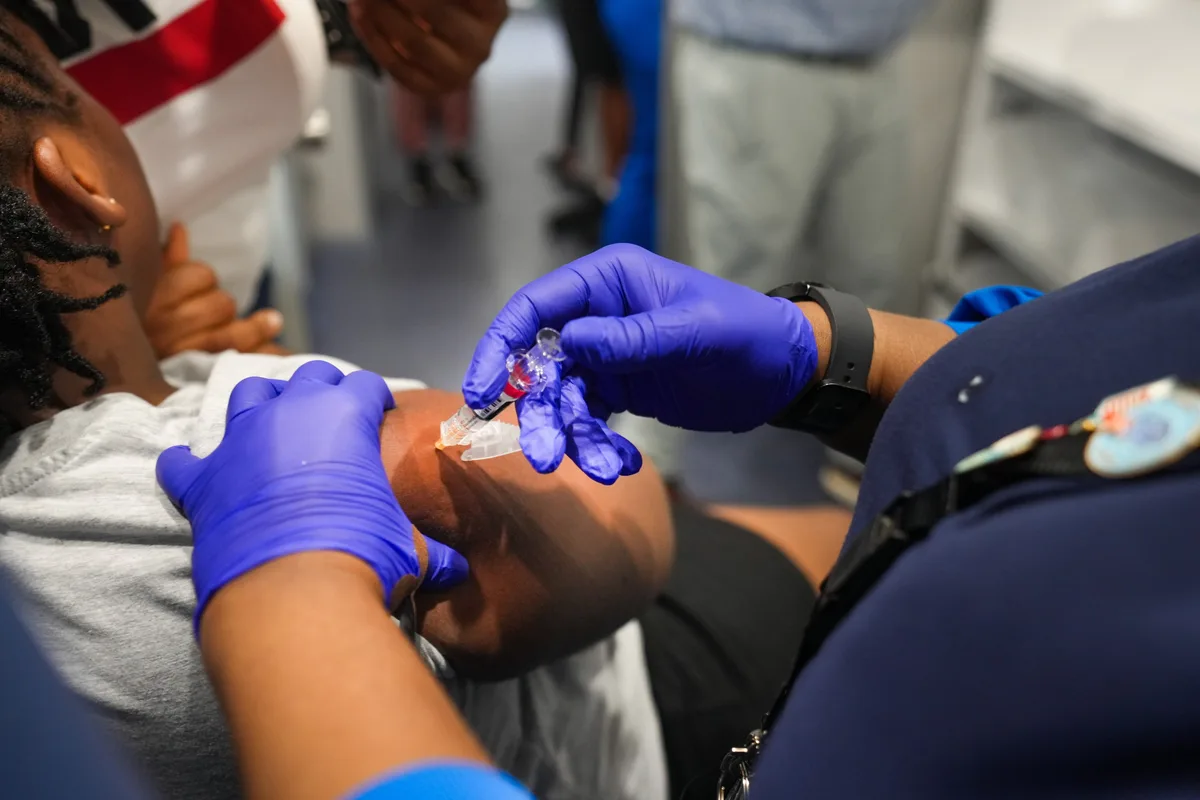
US President Donald Trump signed an order on August 10, 2026, calling for a revision of school vaccine mandates and splitting the combined measles, mumps, and rubella (MMR) vaccine into three separate shots [1, 2, 3]. The order also establishes "Gold Standard Childhood Vaccine Recommendations," which aim to maximize parental choice and group vaccines by risk and clinical decision-making [3].
WHO Director-General Tedros Adhanom Ghebreyesus publicly condemned the US policy changes on August 12. He stated the science is "unequivocal: vaccines – including the MMR vaccine – are safe and do not cause autism" [1]. He warned that the US modifications to childhood immunization do not align with decades of global scientific research on the optimal timing and dosing needed to protect children effectively [1, 2, 3].
Tedros emphasized that vaccination policy must be based on "rigorous, independent and transparent review of the best available science, not by political influence" [1]. He added that evidence is continually evaluated worldwide as new data emerge [2]. According to the WHO chief, "delaying vaccines or separating doses unnecessarily does not make vaccination safer and can leave children unprotected" [2].
The concern reflects longstanding scientific consensus. US Health Secretary Robert F. Kennedy Jr. has promoted disproven claims linking the MMR vaccine to autism, a position not supported by the global scientific community [2].
WHO reiterated its worry that the US policy changes undermine effective immunization practices that have been proven to reduce childhood disease. Tedros said, "WHO is concerned that the changes to immunization policy in the US are not aligned with the best science" [3].
The US government’s new vaccine order takes effect immediately but could face scrutiny as public health experts review the potential impacts. WHO’s statements signal ongoing global attention to the evolving US approach to vaccine guidelines.