Ukrainian President Volodymyr Zelenskyy urged American AI technology companies and Silicon Valley startups to collaborate with Ukraine’s battlefield-tested defense developers to build new military capabilities. Speaking on May 31, 2026, Zelenskyy said such cooperation could be “huge and the most powerful in the world” and stressed the need to move quickly from talks to concrete action [1, 2].
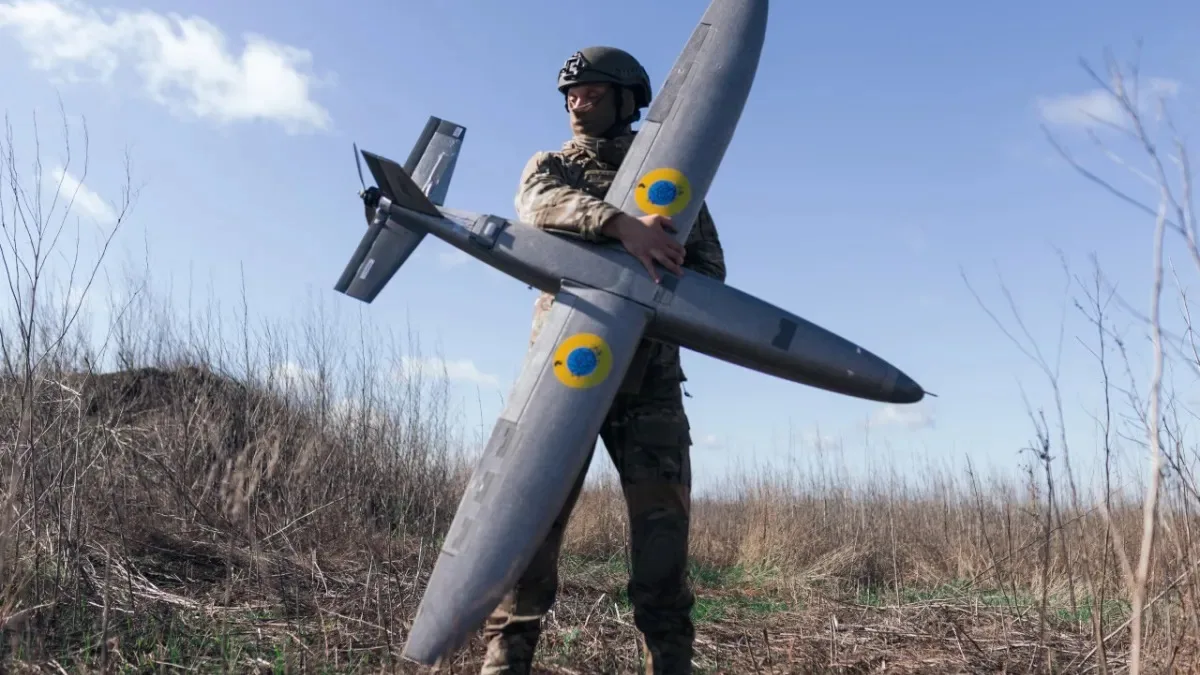
Ukraine has developed a range of homegrown drones and electronic warfare systems during over four years of conflict with Russia. These include fixed-wing mid-range attack drones capable of striking near Moscow, AI-powered Hornet-series drones deployed to the eastern front in spring 2025, and electronic warfare technologies that can hijack Russian missiles and drones [1, 3, 2]. Zelenskyy highlighted that American companies have “interesting AI technologies” Ukraine lacks, while Ukraine has extensive battlefield experience the U.S. does not, creating a strong basis for collaboration [1, 2].
The U.S. defense sector and Silicon Valley startups are heavily investing in AI-driven autonomous weapons and unmanned systems. To accelerate innovation, Ukraine launched the government-backed "Test in Ukraine" program in 2025. Through the program, hundreds of international defense firms test drones, counter-drone systems, AI tools, naval drones, and ground robots in real or near-real combat conditions, enabling rapid iterations and improvements compared to traditional peacetime procurement cycles in Western countries [1, 4, 5, 2].
Zelenskyy has called for immediate negotiations with Silicon Valley startups to deepen cooperation. He urged moving beyond discussions to tangible steps “as quick as possible” and sought former U.S. President Donald Trump’s approval for an AI defense alliance to facilitate technology transfer and military communication [1, 5, 2].
Additionally, Ukraine has deployed approximately 200 special operations troops to the Middle East recently to demonstrate drone interception and electronic warfare technologies, showcasing their real-world combat application [6].
The next key milestone is the ongoing expansion of the "Test in Ukraine" program, which continues to attract hundreds of international participants aiming to refine autonomous military systems under combat conditions [1, 4, 5, 2].