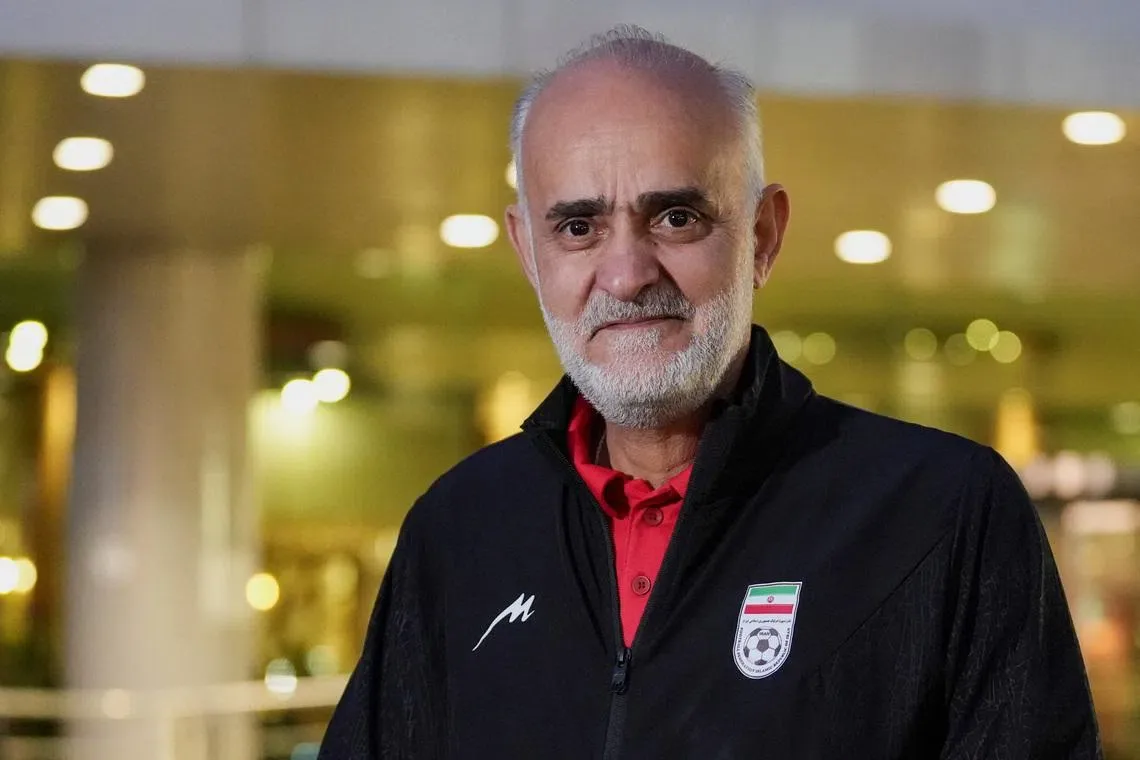
Fifteen members of the Iranian soccer federation, including official Mahdi Mohammad Nabi, were denied US visas to attend Iran's matches at the 2026 World Cup held in the United States [1, 2, 3, 4, 5]. The US State Department said the denials were intended to prevent "the Iranian team from abusing the visa system to sneak terrorists into the US under false pretenses" [1, 2, 3, 4, 5].
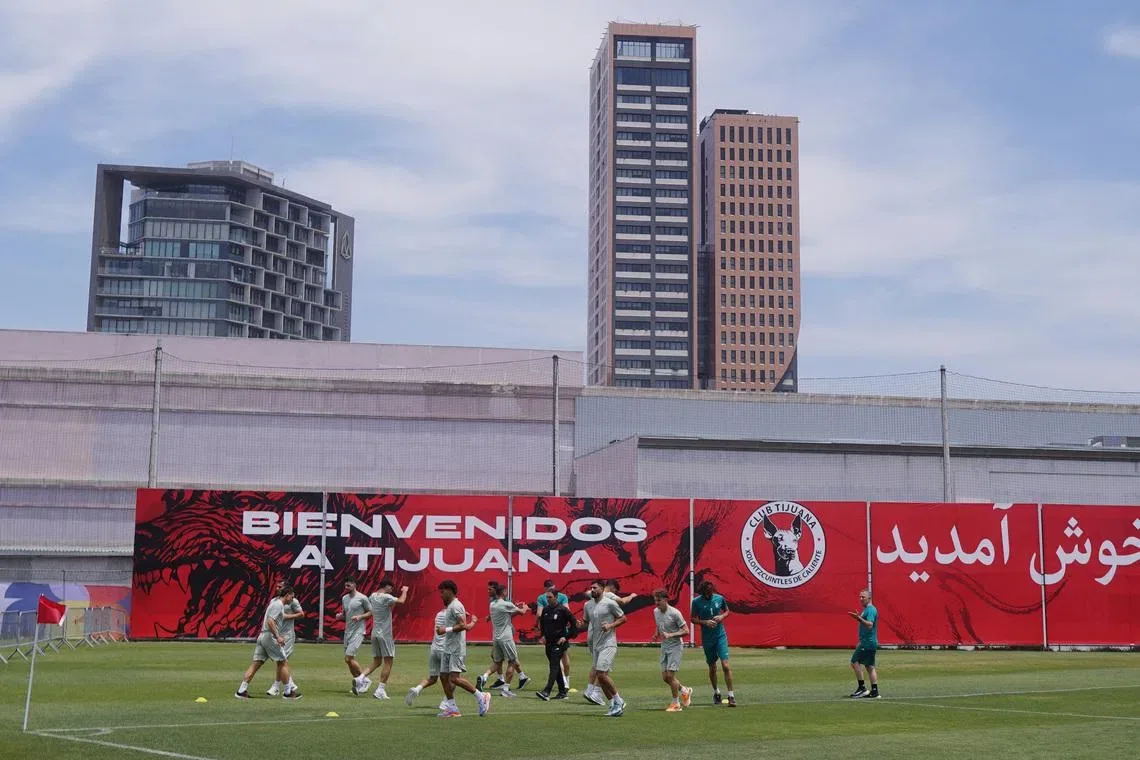
Iran is the only World Cup team facing such large-scale visa refusals for officials among the qualifying nations for the tournament [1, 2, 3, 4, 5]. The team was forced to move its training base at the last minute from Arizona to Tijuana in Mexico due to these visa issues [1, 2, 4].
The Iranian players themselves received US visas only about 10 days before their first match against New Zealand near Los Angeles on Monday, highlighting the delay and uncertainty caused by visa problems [3, 5].
Mahdi Mohammad Nabi criticized the situation, saying, "We hope Mr Infantino will indeed implement the words and promises he made to the Iran national team" and that "the entire visa saga has disrupted our players’ ability to adapt and put the team at a disadvantage" [1, 3, 5]. FIFA President Gianni Infantino had previously promised to secure full access for Iran's federation members but reportedly failed to deliver on that assurance [1, 2, 3, 4, 5].
The US also refused visas to Iranian and African journalists covering the World Cup, imposed bond requirements for countries with high visa overstays, and banned travelers from four qualifying nations [1, 2, 4, 5]. Additionally, Somali FIFA referee Omar Abdulkadir Artan was denied entry despite valid visas, over alleged terror links [1, 2, 4, 5].
This marks the first World Cup since 1930 where a host nation is set to receive a country it is effectively at war with [1, 2, 4].
Iran is scheduled to play three World Cup matches in the US. The visa issues have already altered their preparations and logistics. Further developments may unfold as the tournament progresses.