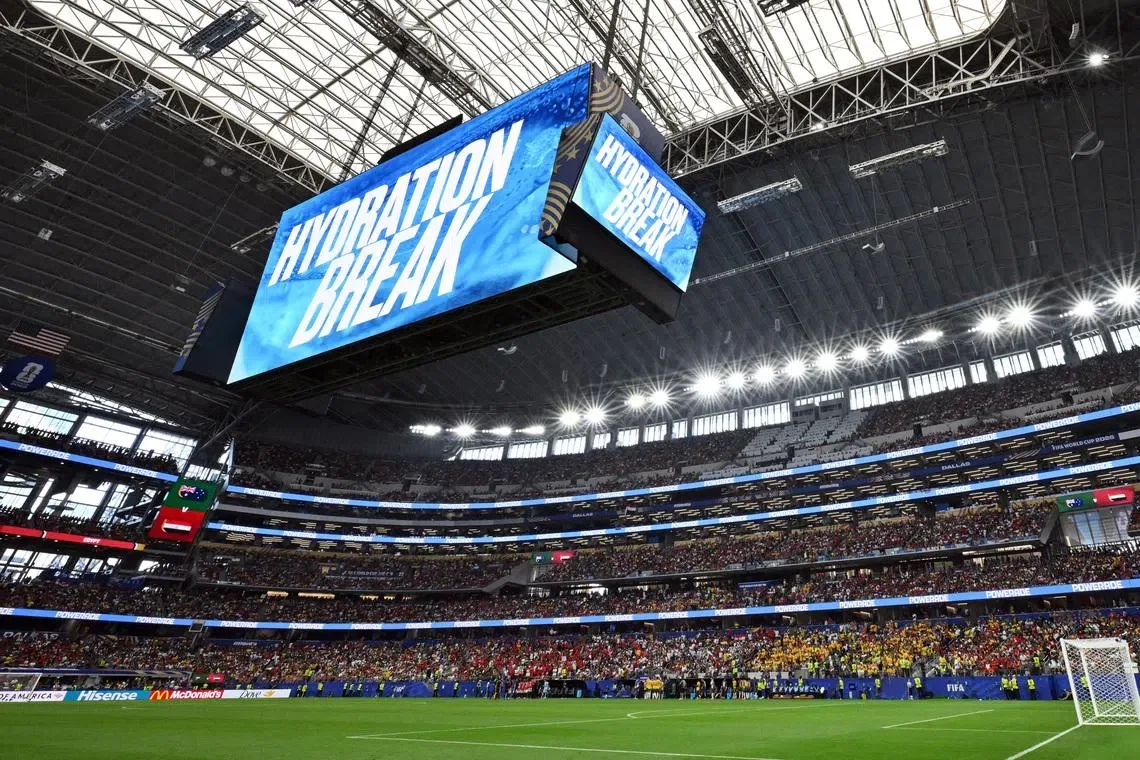
The 2026 World Cup, held in the United States and Canada, implemented mandatory hydration breaks that divided each match into four quarters regardless of weather conditions. [1, 2, 3] FIFA justified these scheduled interruptions on player welfare grounds, citing heat and humidity during the tournament. [1, 2, 3] Traditionally resisted by soccer, these two mid-half breaks disrupted the sport’s continuous play, drawing mixed reactions from coaches and broadcasters alike. [1, 2]
Coaches viewed the breaks as tactical timeouts, while broadcasters saw new commercial opportunities. [1, 2] However, UEFA strongly opposed normalizing these American-style breaks globally, stating that hydration pauses cannot exceed one minute in official matches. [1, 2] This stance signals resistance to rule changes affecting soccer's traditional flow outside the World Cup hosts.
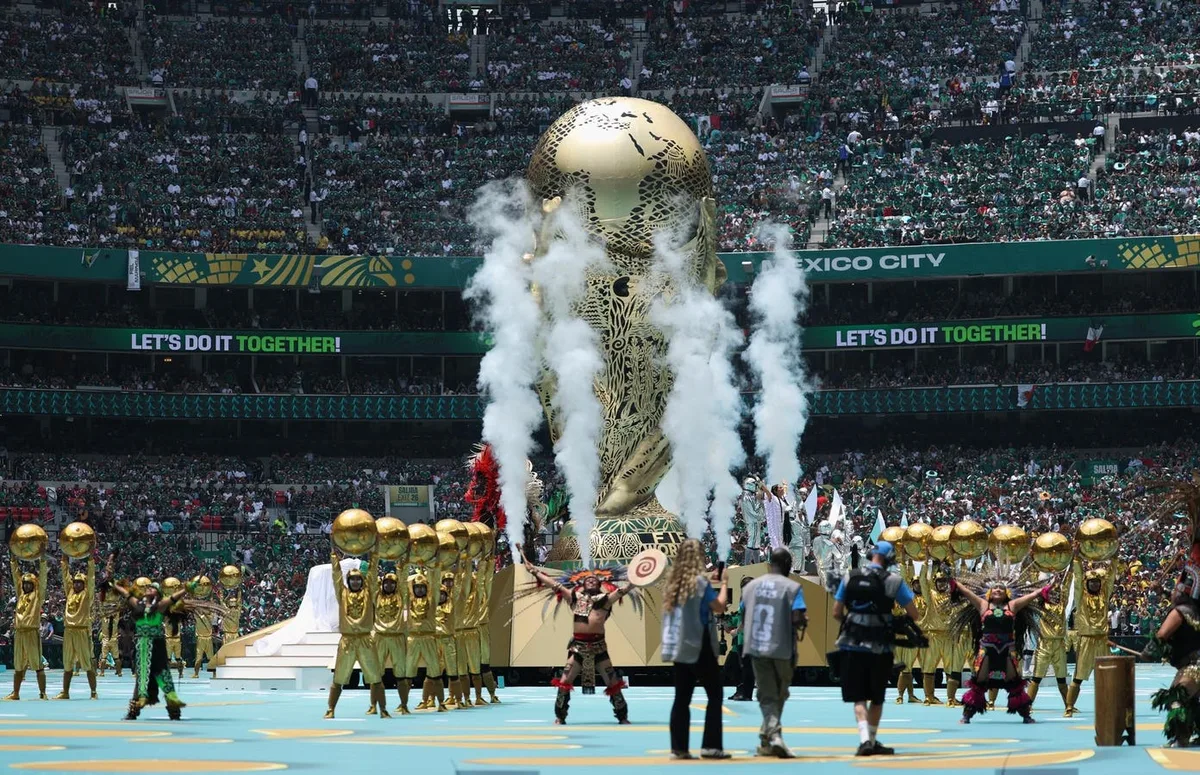
The tournament also adopted North American customs such as championship rings, which were awarded to Spain’s winning team for the first time at a World Cup. [1, 2] The final’s halftime entertainment show lasted 27 minutes, nearly double the traditional 15-minute interval, marking a notable shift in event presentation. [1, 2]
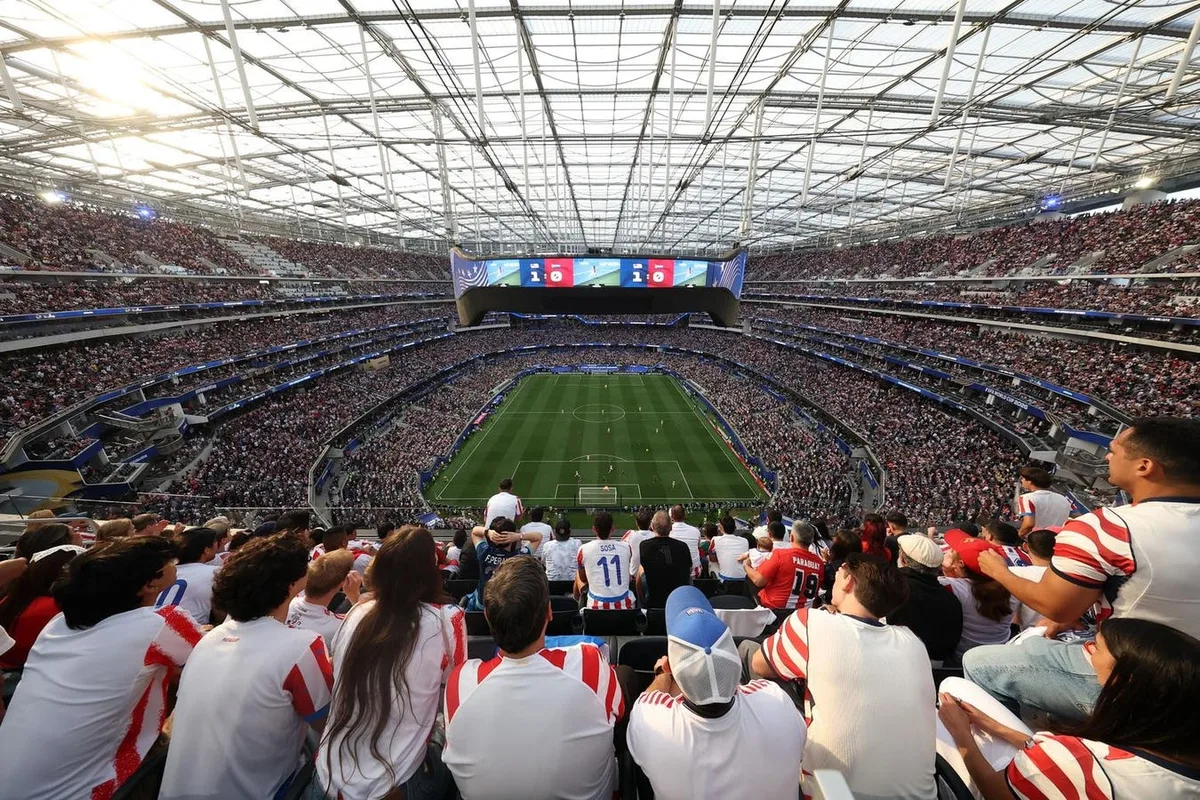
American interest in soccer surged during the event. The Mexico-England quarterfinal drew over 44 million viewers in the U.S., surpassing many other major sports broadcasts. [4] Stadiums were packed throughout the tournament, and TV ratings soared, reflecting growing mainstream enthusiasm nationally. [5, 4]
Major League Soccer capitalized on this momentum by launching its largest-ever marketing campaign titled "Thanks World, We’ll Take It From Here," aiming to convert global excitement into lasting engagement. [5] MLS Executive Vice President Camilo Durana said, "At a defining moment for soccer in North America, MLS is turning global excitement into lasting engagement and connection." [5]
The World Cup ran from July 18 to August 2, 2026. [5, 4] The changes introduced, including hydration breaks and extended halftime, were maintained throughout. As the tournament concluded, MLS continues leveraging its expanded profile with ongoing promotional efforts through the end of July. [5]