Japan’s national football team, coached by Hajime Moriyasu for nearly eight years, is preparing to compete at the 2026 World Cup with hopes to win the title sooner than the football association’s original target of 2050 [1]. The team has shown a strong capability by beating top-ranked sides such as Germany, Spain, Brazil, and England in recent matches [2, 1]. Japan’s system mainly operates with a 3-4-2-1 formation but has shown tactical flexibility to a 3-1-4-2 setup depending on the opponent [2, 1].
In the past 12 months, Japan recorded victories against Brazil in Tokyo in October 2025, Scotland away, and England at Wembley in March 2026 [2, 1]. These results have strengthened confidence in the squad’s ability to challenge elite nations. Former coach Akira Nishino praised the team’s unity and work ethic, saying, “It’s not about individuals acting like egoists. This group of players fight together and within that unity, individuality emerges. There is a strength in these ‘Japanised’ individuals” [2].
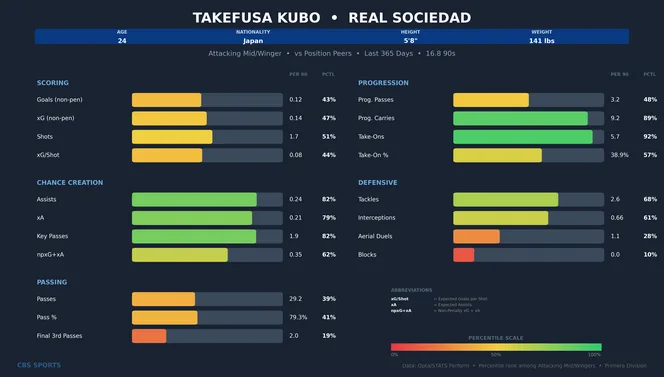
However, the squad faces setbacks with key players missing for the World Cup. Captain Wataru Endo withdrew from the squad in June 2026 and was replaced by Shuto Machino [1]. Kaoru Mitoma is sidelined due to a hamstring injury [1]. Despite these absences, Japan retains depth with players like Takefusa Kubo, Junya Ito, Ayase Ueda, Keisuke Goto, and Daizen Maeda available to compete [1].
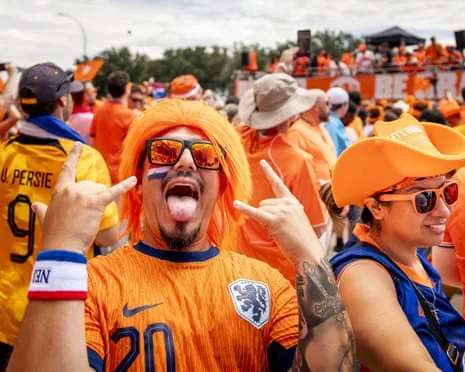
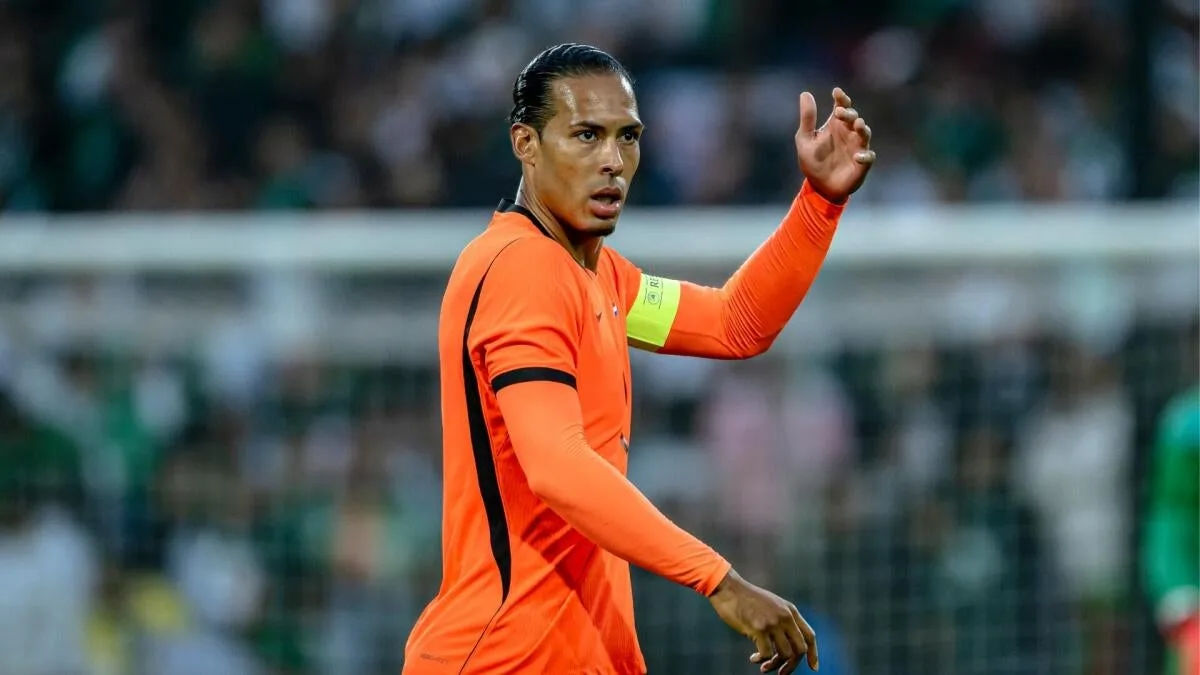
Japan is drawn in a challenging World Cup group alongside the Netherlands, Sweden, and Tunisia [1]. The Dutch team is also facing injury issues, with key players unavailable including Xavi Simons, who suffered an ACL injury in April 2026 [2]. Netherlands coach Ronald Koeman has struggled to prepare with a depleted squad [2]. These factors may influence group dynamics this summer.
Japan will begin its 2026 World Cup group stage campaign against the Netherlands, Sweden, and Tunisia when the tournament kicks off in summer 2026 [1]. Coach Moriyasu’s focus on strong teamwork and tactical adaptability will be put to the test as Japan aims to achieve an unprecedented title victory well ahead of the 2050 target [1].