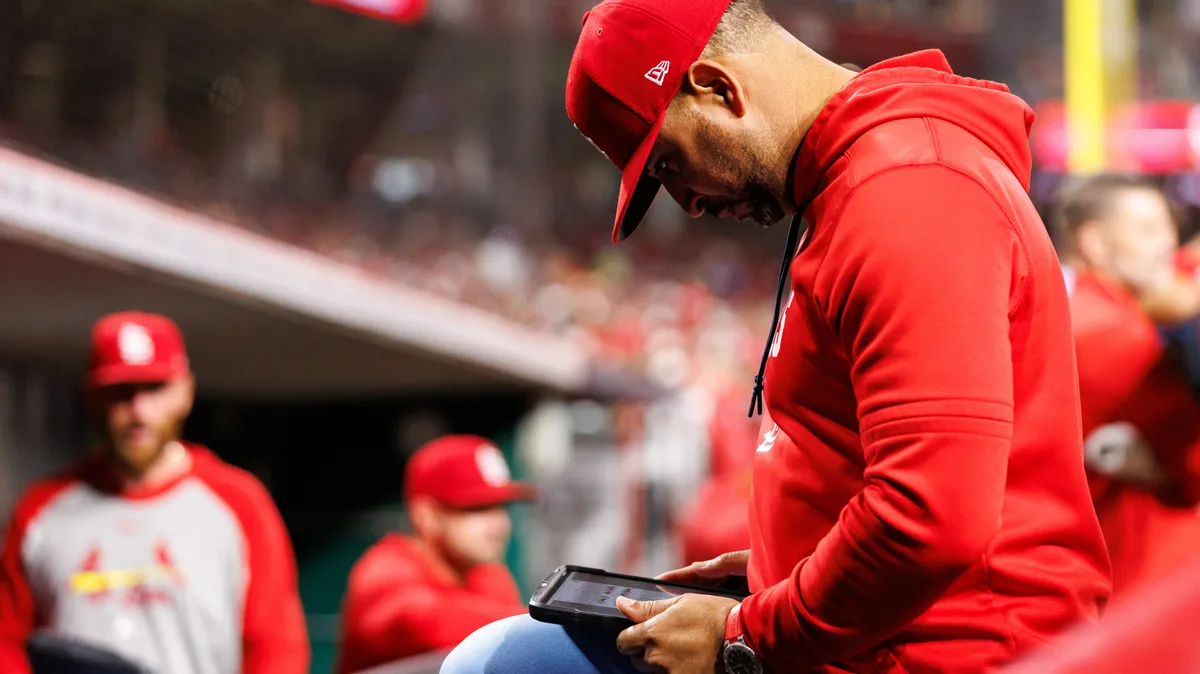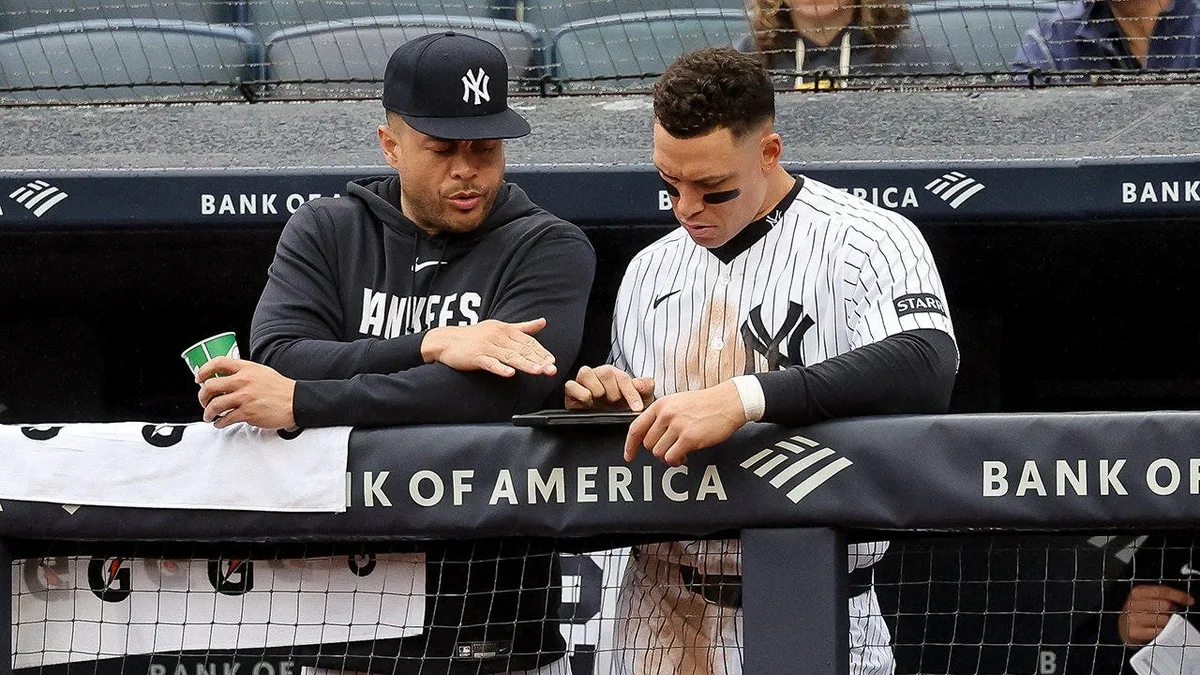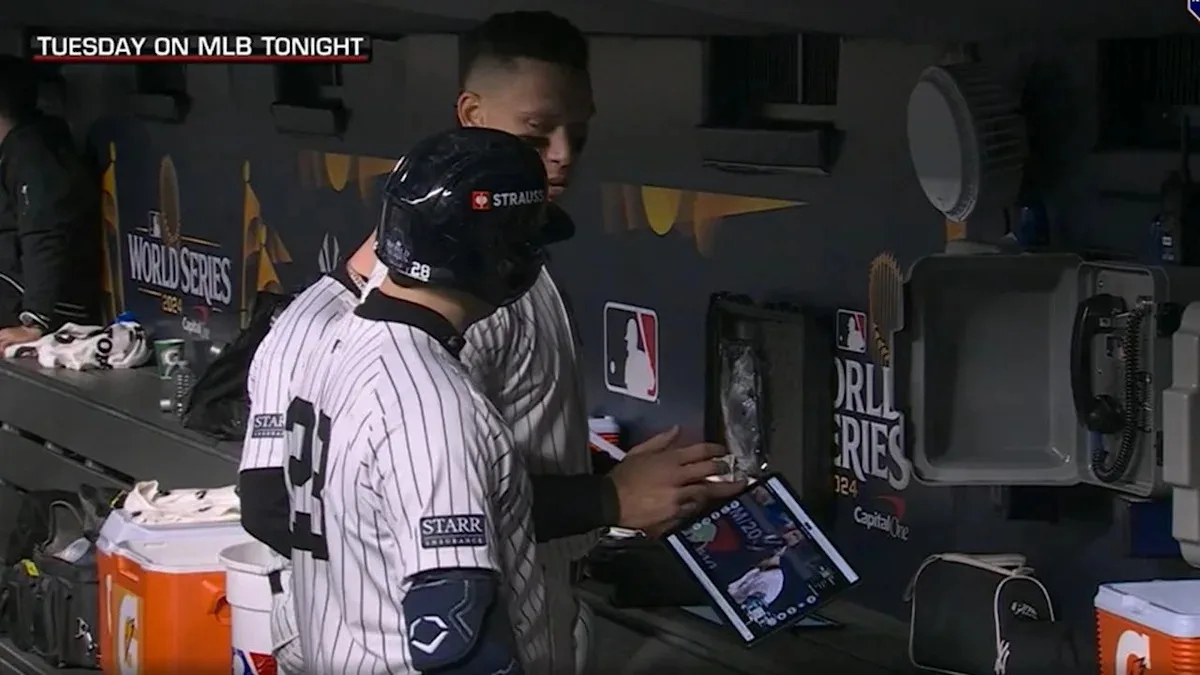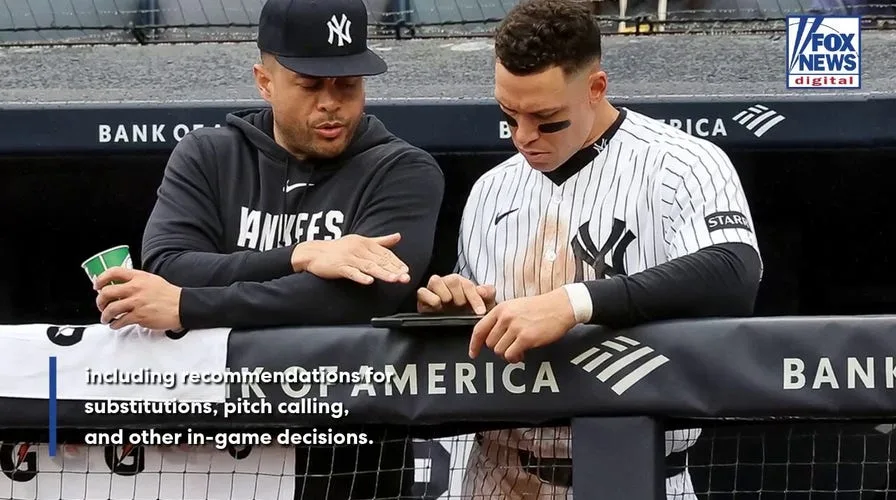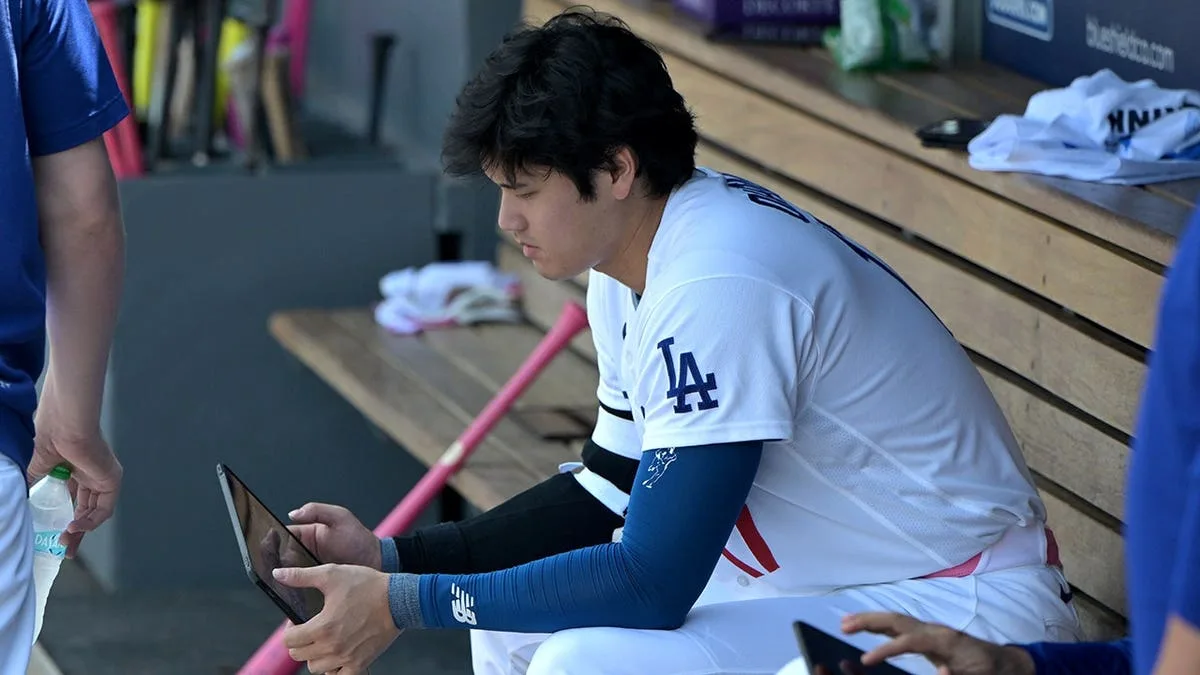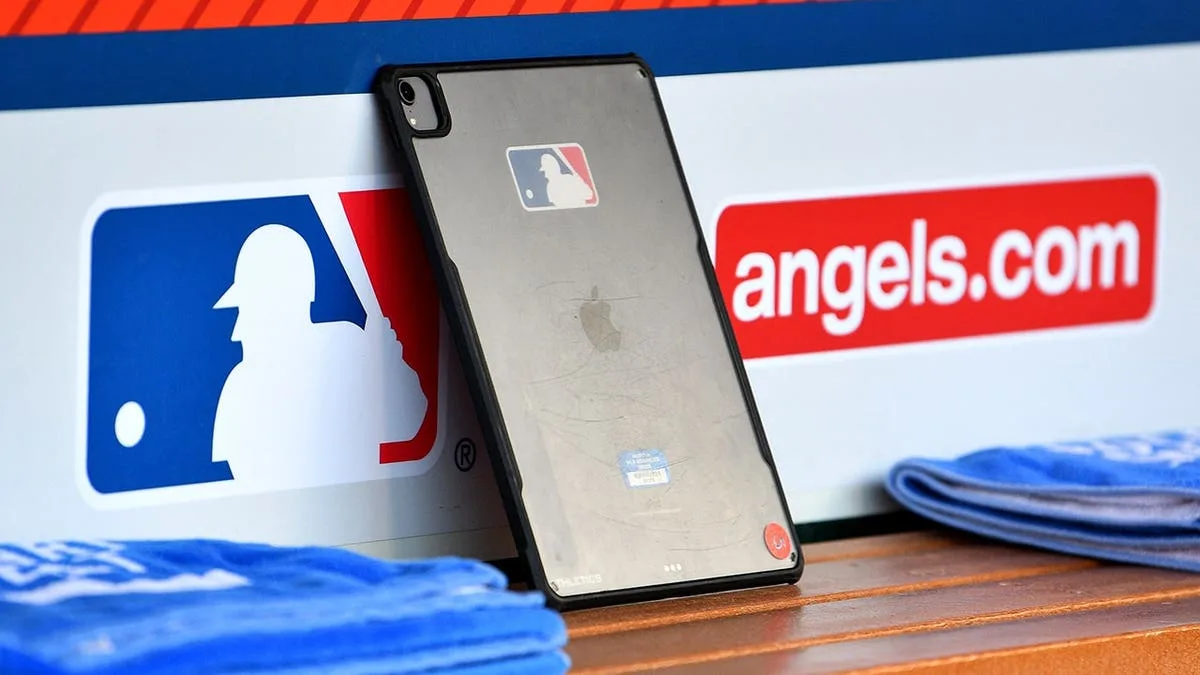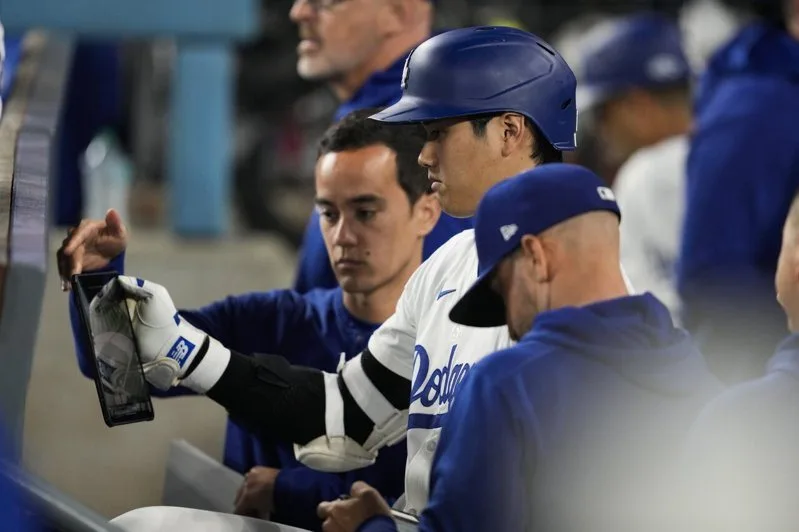
Major League Baseball issued a memo on June 11, 2026, banning the use of generative AI on MLB-issued iPads in team dugouts for in-game strategy decisions beginning after the 2026 All-Star break [1, 2, 3, 4, 5]. About one-third of MLB teams had been using custom apps on the third tab of official iPads to run generative AI that advised on player positioning, pitch calling, and other tactical decisions, pushing technology use beyond existing league rules [1, 2, 3, 4, 5].
The ban prohibits using the third custom app tab on team-issued tablets and restricts live game video to delayed playback only. It also forbids non-field personnel such as analysts from dugout areas during games [1, 3]. MLB said the restriction was a preemptive anti-cheating measure, not because of confirmed rules violations, as an internal review found all teams currently compliant [1, 2, 3, 5].
MLB began providing official iPads to teams in 2016. These devices have three tabs: one with Statcast data and video angles, another with automated ball-strike (ABS) system information, and a third for custom apps now banned from AI use during games [1, 3, 4, 5, 6]. The restrictions respond to ongoing concerns following the Houston Astros sign-stealing scandal and increased reliance on AI technology for game decisions [2, 4, 5].
An unnamed MLB executive said the ban aims to "stop the cheating before there’s cheating now" [2, 3], signaling the league’s caution around emerging technology. Sources also indicated the New York Mets were among the main teams using AI apps on iPads before the ban, with owner Steve Cohen reportedly investing hundreds of thousands of dollars in AI tools. Former Mets pitcher Adam Ottavino noted the team "had a very expensive AI program" that they had shown off earlier this year, with coaches using it to assist in pitch selection and other functions [6].
The ban took effect on July 16, 2026, immediately following the 2026 All-Star break, giving teams roughly a month from the memo date to comply [1, 3, 4].