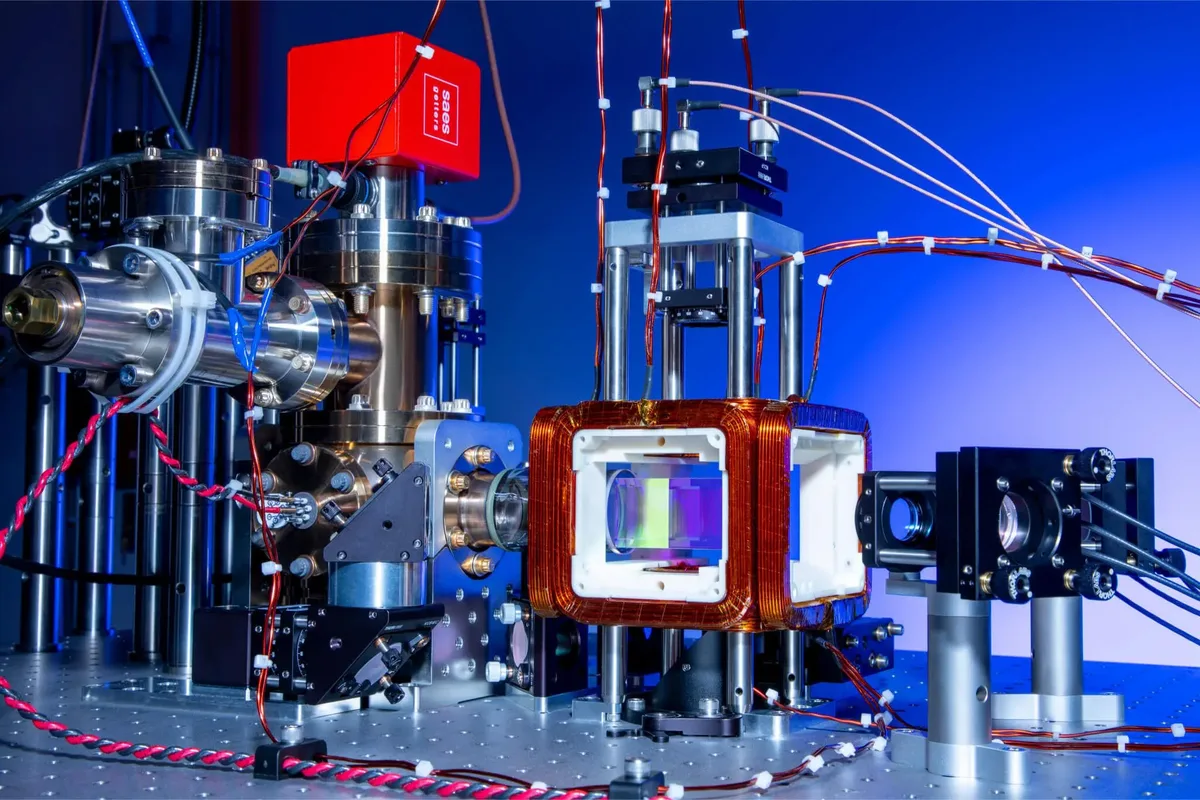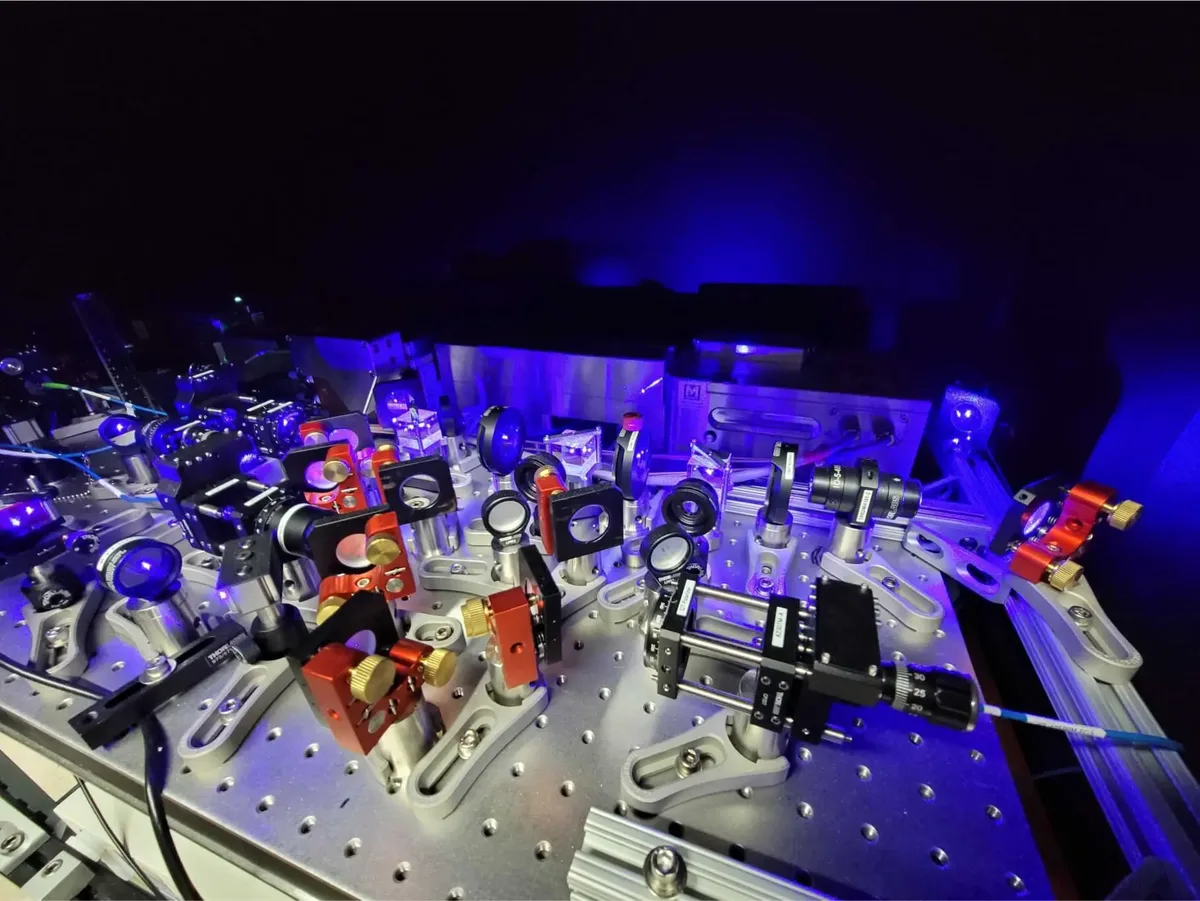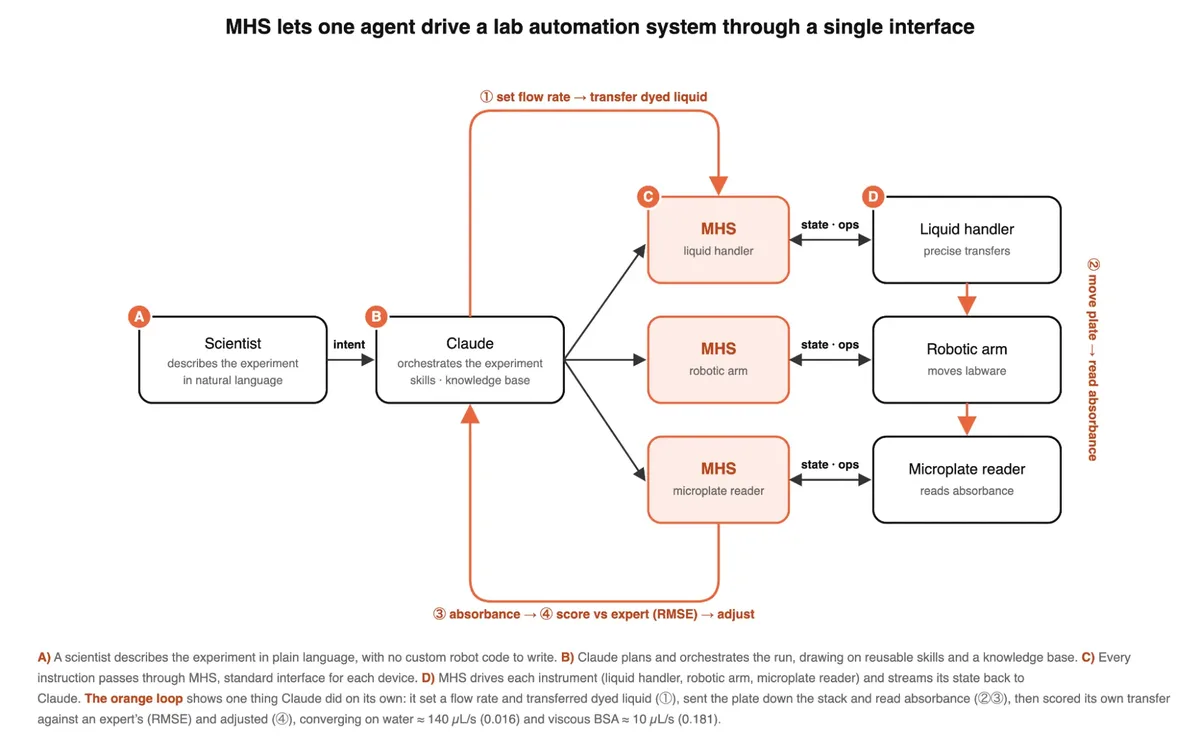
Anthropic announced the Model Hardware Standard (MHS), a shared specification that enables AI agents to safely operate physical devices with programmable interfaces such as lab instruments and manufacturing machines [1, 2, 3]. The company also opened an early research preview of MHS to select scientific, robotics, electronics, and manufacturing partners as of August 27 [3].
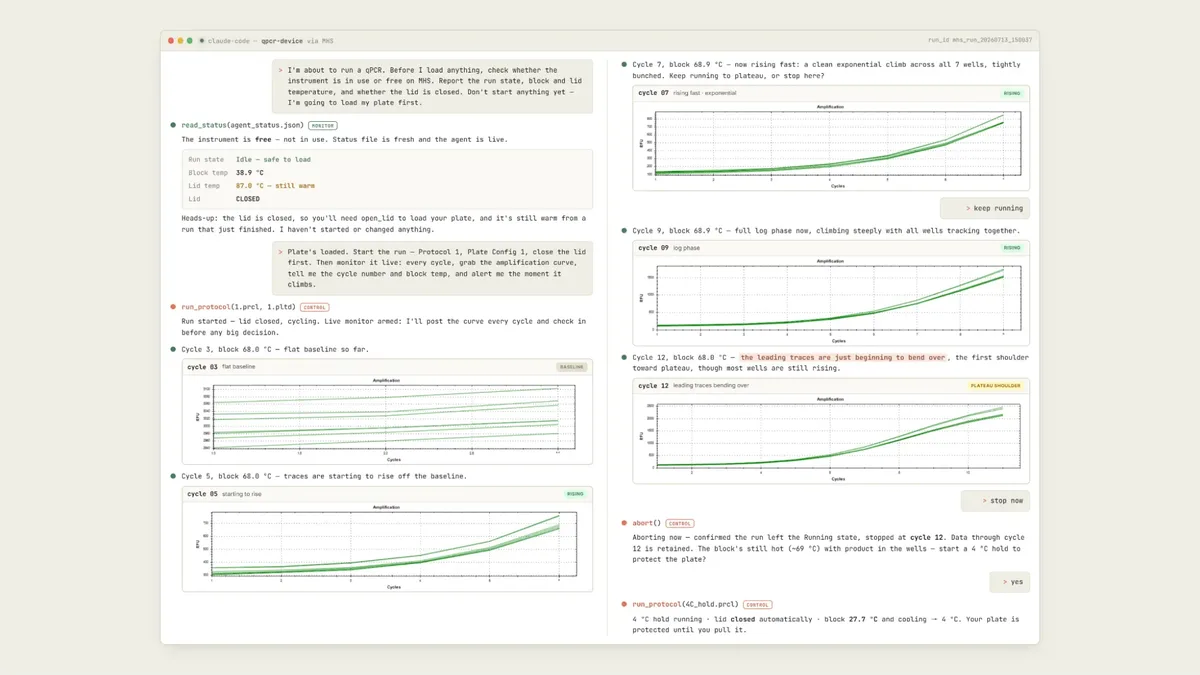
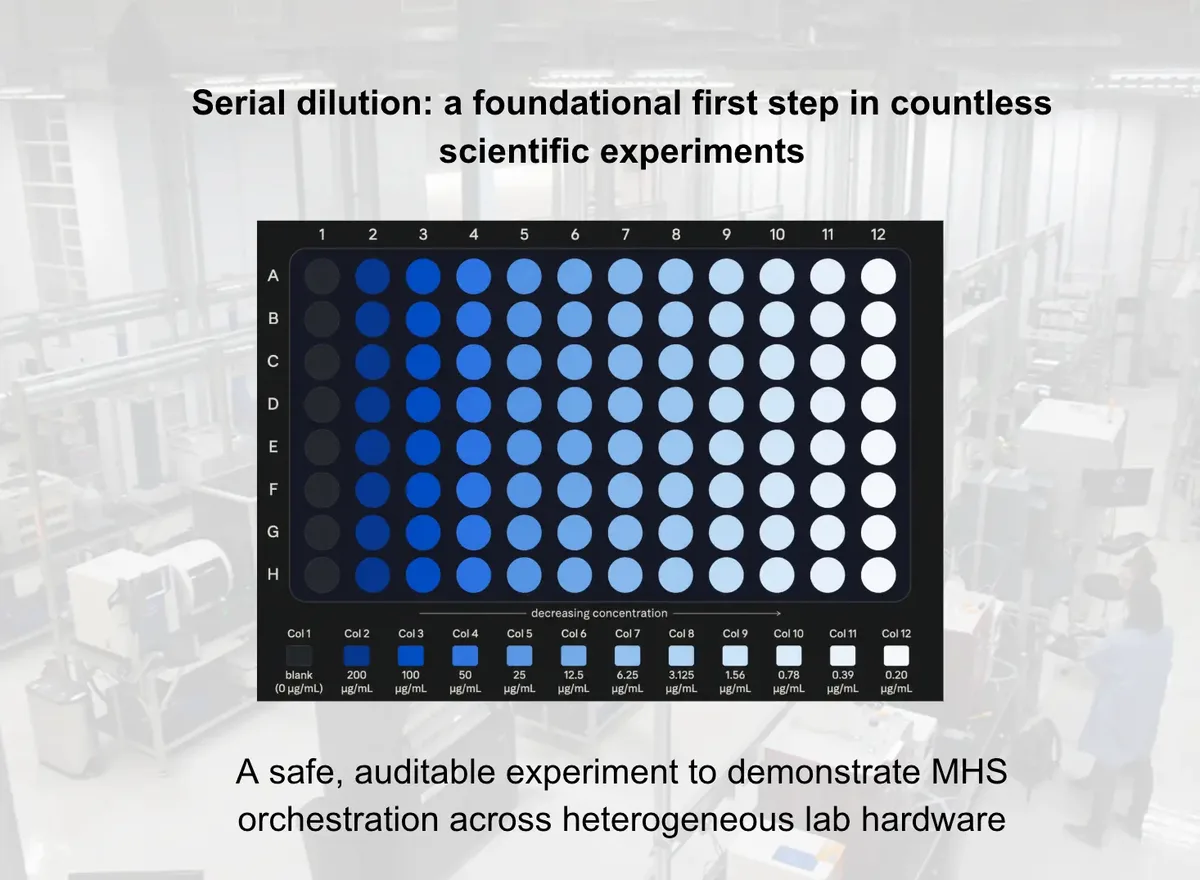
MHS reduces hardware setup and integration time from weeks or months to just hours or minutes. It achieves this by providing a standardized driver interface for communication and control, streamlining device onboarding [1, 2, 3]. The standard supports real-time parameter updates and error recovery without human intervention, allowing multiple devices including microscopes, robotic arms, lasers, and cameras to interoperate under AI control [1, 2].
The system is device- and model-agnostic, compatible with any programmable device, and accessible through protocols such as the Model Context Protocol [1, 3]. Anthropic intends to eventually open source MHS after this initial research preview phase [1, 3].
The project began as a collaboration between Anthropic and the HHMI Janelia Research Campus. It was inspired by neuroscientist Arco Bast’s work integrating experimental hardware [1, 2]. Anthropic sees MHS as enabling AI agents to autonomously run and orchestrate complex science experiments and manufacturing workflows continuously, around the clock [1, 2, 3].
Elizabeth Kelly, head of beneficial deployments at Anthropic, said, "We built this for science to sort of show the promise of AI, but there's also huge benefits here for enterprise and for industry" [3]. Alek Kemeny, a technical staffer at Anthropic, added, "This idea could be used to have AI run any science experiment in the world" [2].
In addition to the MHS project, Anthropic is expanding into AI-related hardware development. The company is building a silicon team and hiring hardware executives from OpenAI, Meta, and Apple [3].
Anthropic will continue refining the Model Hardware Standard with its early partners before releasing it more broadly in the future [3].