Apple plans to reveal its first smart glasses, codenamed N50, at the Worldwide Developers Conference (WWDC) in June 2027, with the device expected to be available by the end of 2027 [1, 2, 3, 4, 5, 6, 7]. This marks a delay from the company's original plan to launch the glasses in late 2026 and release them in early 2027 [1, 2, 3, 4, 6, 7].
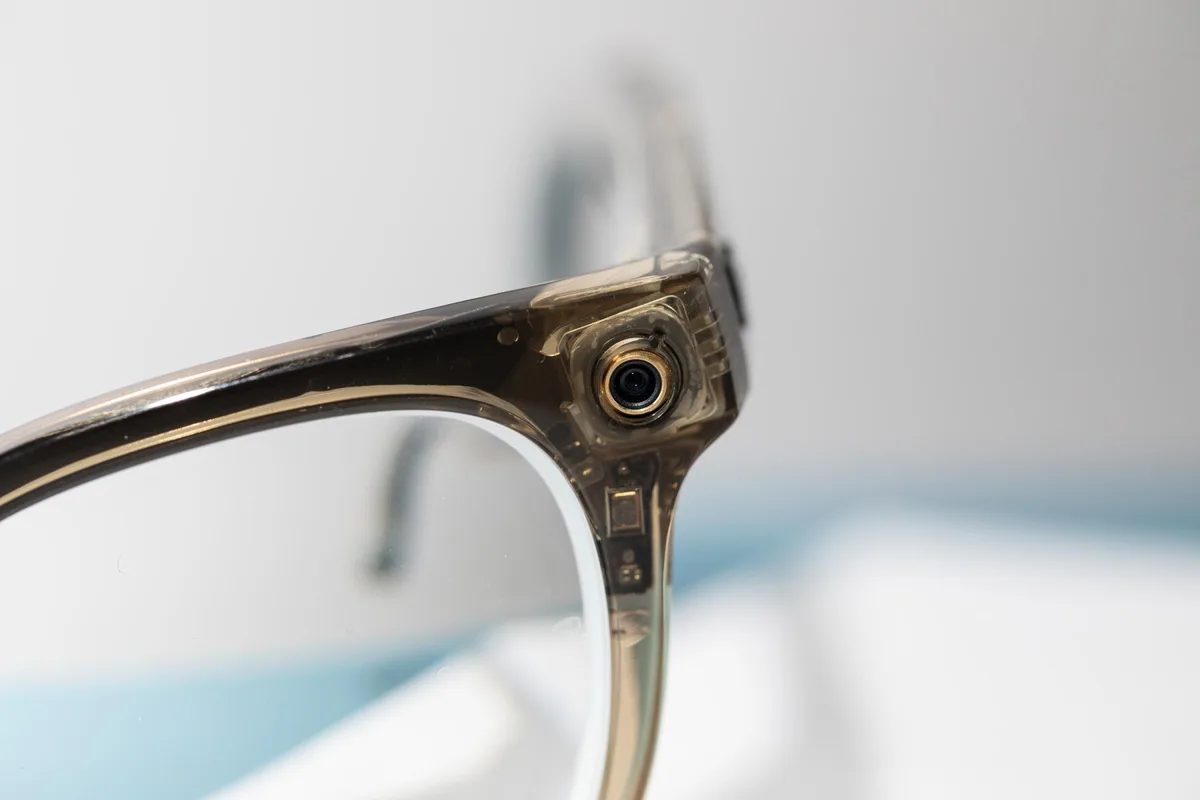
The smart glasses will feature a combination of camera and AI capabilities designed to support AI voice commands, music playback, phone calls without AirPods, and health tracking [4, 7]. Apple is emphasizing privacy features heavily, aiming to set its product apart from competitors like Meta.
The glasses are said to focus on on-device processing and avoid facial recognition technology. Apple is reportedly considering versions without cameras or models where cameras can only capture visual data for AI purposes, but cannot take photos or record video [1, 2, 4, 5, 6, 7]. The company also intends to avoid using customer recordings to train AI models and will not outsource human review of footage to third parties [1, 2, 4].
Mark Gurman noted that “The teams developing glasses within Apple’s Vision hardware group and elsewhere in the company see privacy as priority No. 1” [6]. This approach comes amid widespread privacy controversies that have challenged the smart glasses market, including bans and negative media coverage of Meta’s glasses, which some critics dubbed "pervert glasses" [2, 4, 5, 7].
Apple’s strong reputation for privacy has raised expectations for its smart glasses launch compared to other tech companies [1, 2, 4, 5, 6, 7]. The move aims to reassure consumers wary of wearable devices that collect highly personal data.
The delayed unveiling at the June 2027 WWDC event will give Apple more time to refine privacy protections around the glasses’ camera and AI features. Shipping is expected by December 2027, concluding the device’s initial rollout [1, 2, 4, 6, 7].