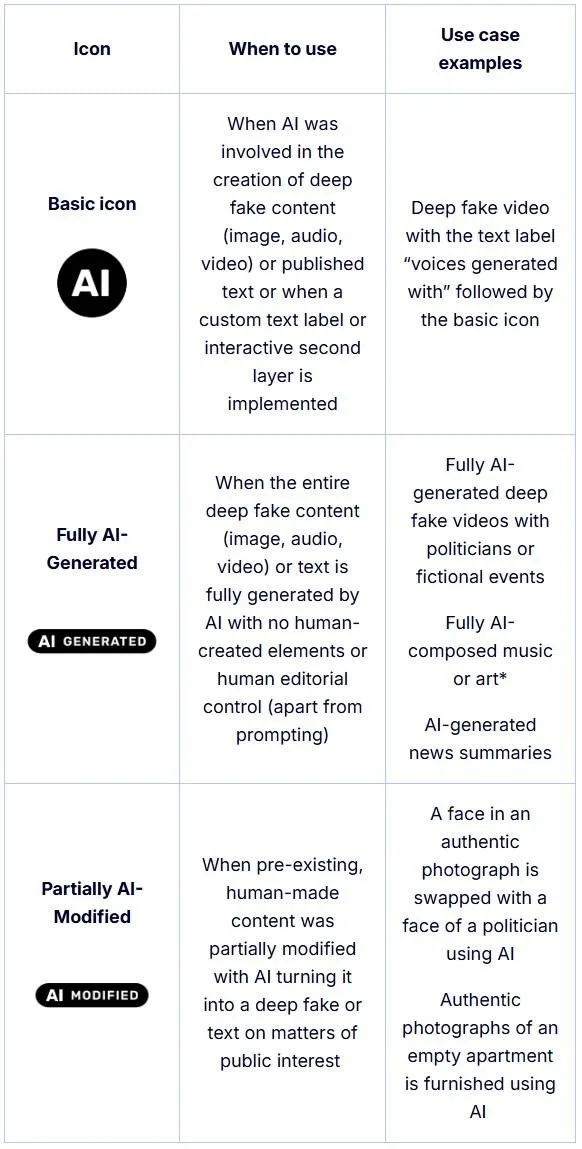
The transparency and labeling provisions of the EU AI Act became enforceable across the European Union on August 2, 2026, positioning the EU as a global leader in AI regulation [1, 2, 3]. The new rules require providers and deployers of AI systems to clearly inform users when they are interacting with AI and to label AI-generated or manipulated content, including deepfakes, synthetic audio, images, videos, and text [2, 3].
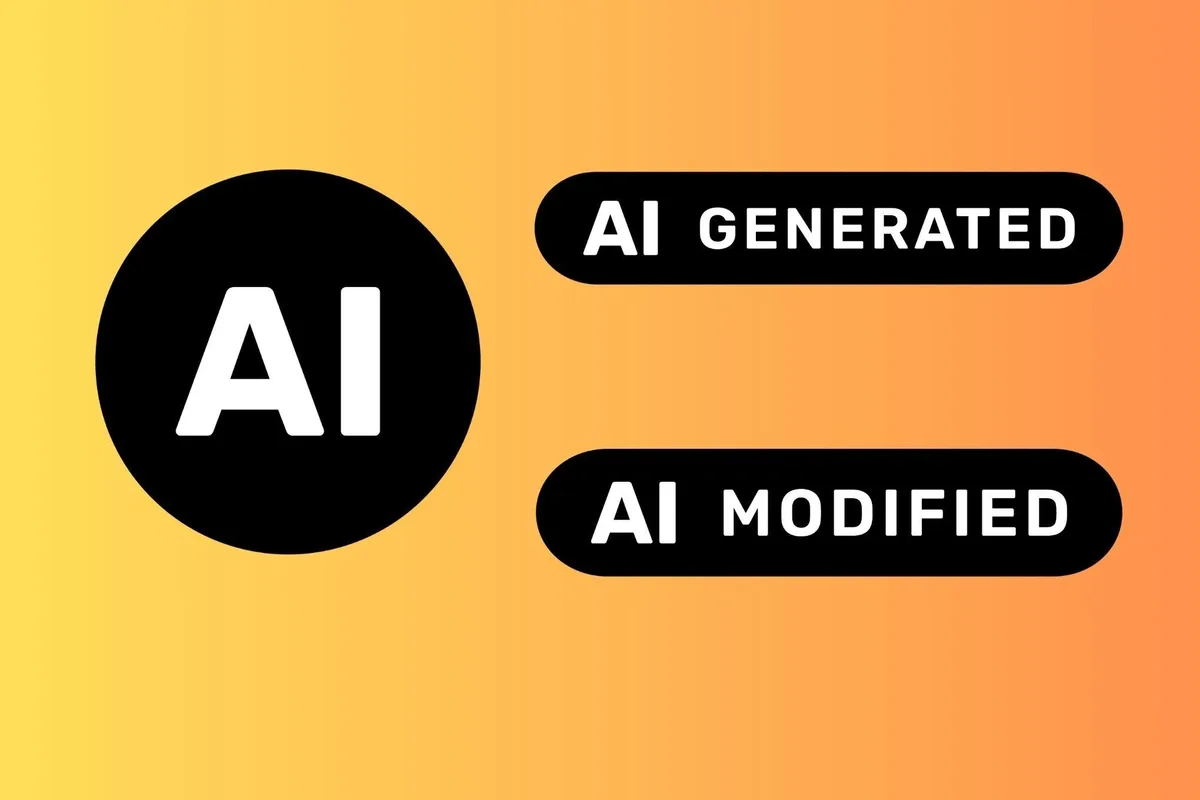
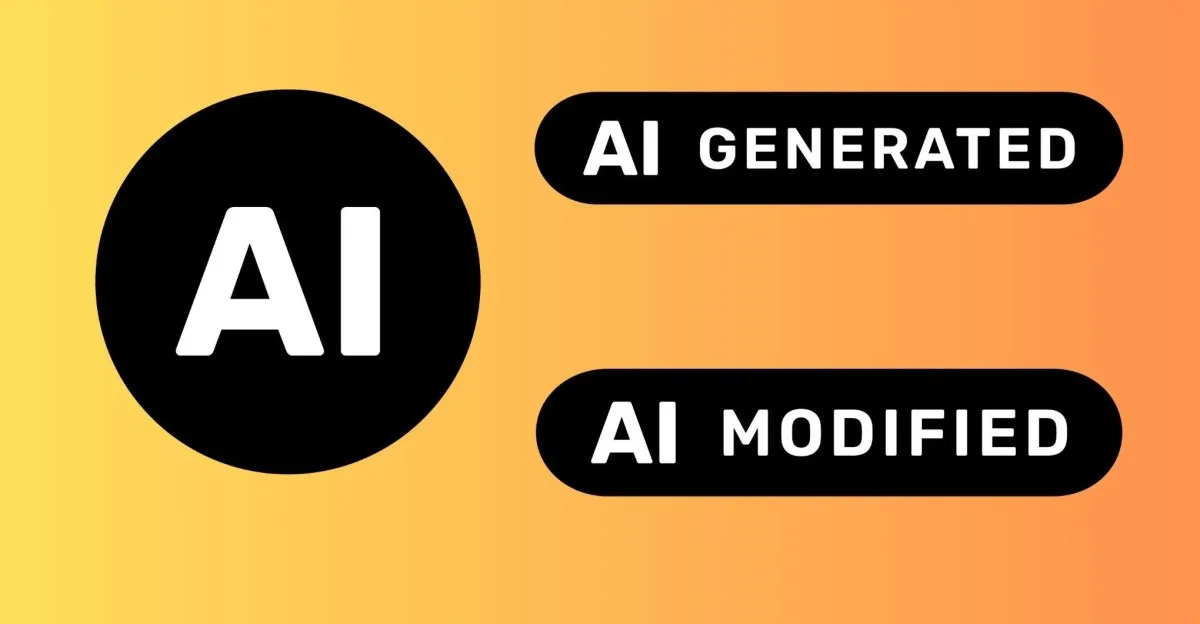
Providers must notify users explicitly about AI interactions and include machine-readable labels on synthetic content to ensure automated verification and transparency [2, 3]. Additionally, deployers must label AI-generated or manipulated deepfake content designed to appear real [2]. The European Commission developed standardized AI disclosure labels to harmonize transparency practices across platforms; these labels are optional, but the underlying labeling requirement is mandatory [2].
The legislation also mandates providers of general-purpose AI models to document training data summaries and copyright policies to improve accountability and traceability [1, 3]. Exemptions apply to personal content such as group chats and artistic works that are clearly satirical or fictional [3]. The European Commission stated, "People should know when they are interacting with AI or exposed to AI-generated content. This will help them make informed decisions, calibrate their trust and reliance on AI and avoid misinformation or deception" [2].
Non-compliance can result in hefty fines of up to €15 million or 3% of global annual turnover for companies, while smaller entities face lower penalties [2, 3]. EU institutions, bodies, and agencies face fines capped at €750,000 for violations [3]. The European AI Office has been established to oversee enforcement of these rules [1].
Major Western AI developers, excluding Meta, have signed a voluntary code of practice aligned with the AI Act, reflecting industry cooperation. OpenAI's VP for EMEA Policy, Tom Duff Gordon, said, "We've collaborated closely with the European Commission and the wider ecosystem on implementing the AI Act, including its Codes of Practice, and will continue working together to help Europe realise the benefits of the Intelligence Age" [1].
The EU AI Act was originally passed in 2024 as the first comprehensive regulatory framework for artificial intelligence [1]. The full enforcement of its transparency provisions marks a key milestone in the law’s phased introduction [1, 2, 3].