The Federal Communications Commission on August 29 waived the requirement that Amazon launch 50% of its planned 3,232 low Earth orbit (Leo) satellites by July 30, 2026, allowing more time to meet the milestone [1, 2]. Amazon still must launch the full constellation by July 30, 2029, the FCC confirmed [1, 2].
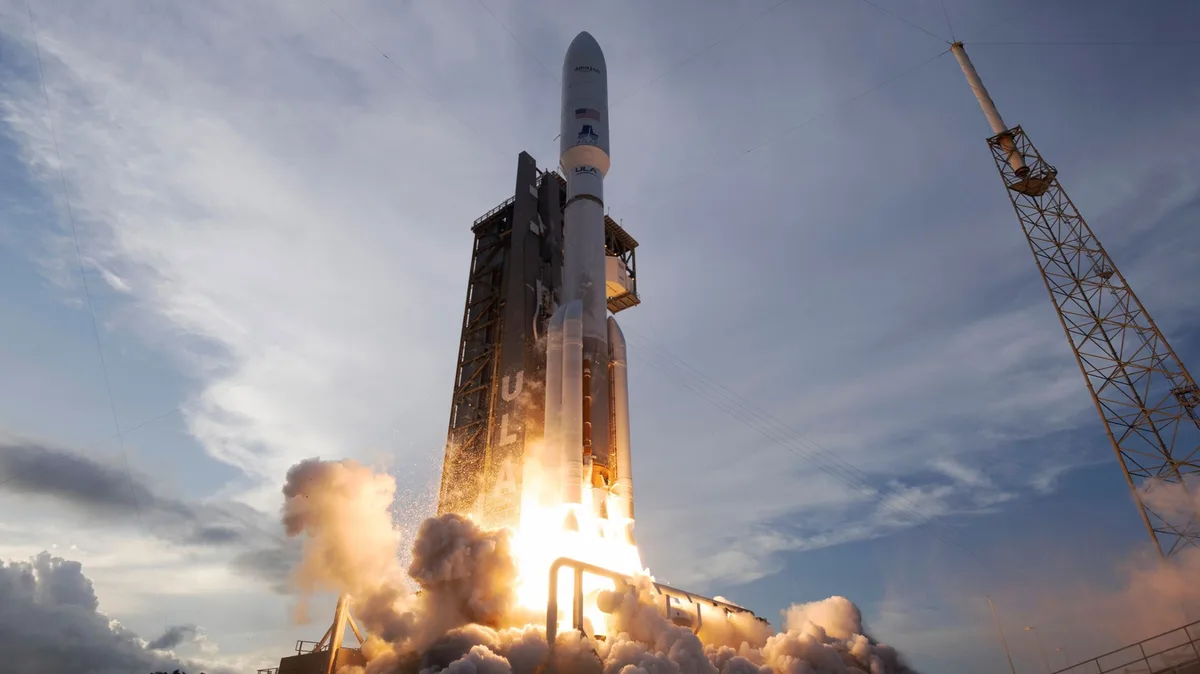
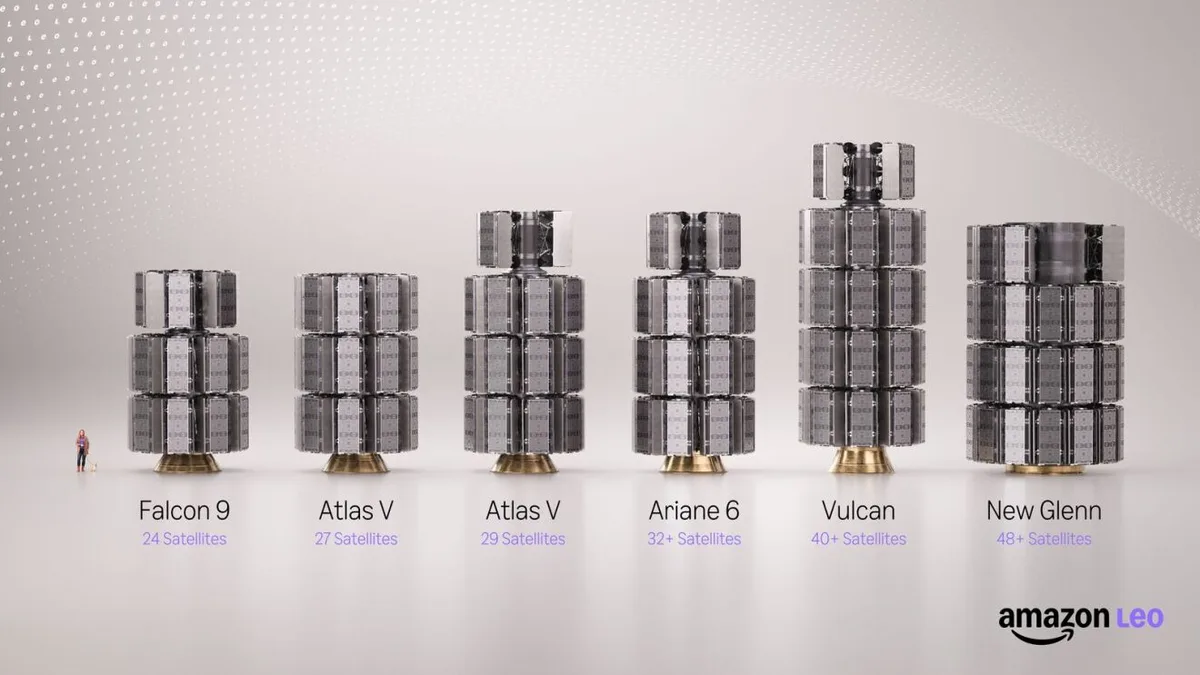
Amazon requested the extension due to heavy-lift rocket capacity limits and delays in three key vehicles critical to its satellite launches: the Ariane 6, New Glenn, and ULA’s Vulcan Centaur rockets [2]. The situation worsened when the New Glenn rocket experienced a launchpad explosion on May 29, 2026, further disrupting Amazon's launch schedule [2].
The FCC cited Amazon’s multibillion-dollar investment in the Leo system—estimated at $10 billion—and the company’s goal to offer affordable, high-quality broadband service, as reasons for granting the waiver. The commission said the waiver "serves the public interest by promoting a second large satellite broadband constellation," which would ensure competition against SpaceX’s Starlink network [1, 2]. The agency emphasized that denying the waiver on these grounds "would be contrary to the Commission’s mandate under the Communications Act" [2].
SpaceX opposed the extension, expressing concern about special treatment. It pointed out that Amazon has launched only about 6% of its authorized satellites over the past six years and accused Amazon of pressuring the FCC for approval before making substantial progress [2].
Amazon responded by blaming concurrent delays and groundings of the three heavy-lift rockets. The company said, "No operator could have predicted that all three core heavy-lift launch programs — Ariane 6, New Glenn, and ULA’s Vulcan Centaur — would experience repeated, concurrent scheduling slips severe enough to exhaust the buffers Amazon Leo had built in" [2].
The FCC conditioned the waiver on Amazon losing priority launch status after July 31, 2026, and requiring it to demonstrate that the Amazon Leo constellation will not cause interference with other operators, including SpaceX [2].
Originally authorized in July 2020, Amazon’s Leo satellite broadband network was set with two launch deadlines: half the constellation by July 30, 2026, and the complete 3,232 satellites by July 30, 2029 [1]. Amazon filed for the extension in January 2026 [1]. The FCC publicly announced its ruling on June 5, 2026 [2].
Amazon must now meet the 2029 deadline for deploying its full constellation as it addresses launch vehicle challenges and changes in launch priority status [1, 2].