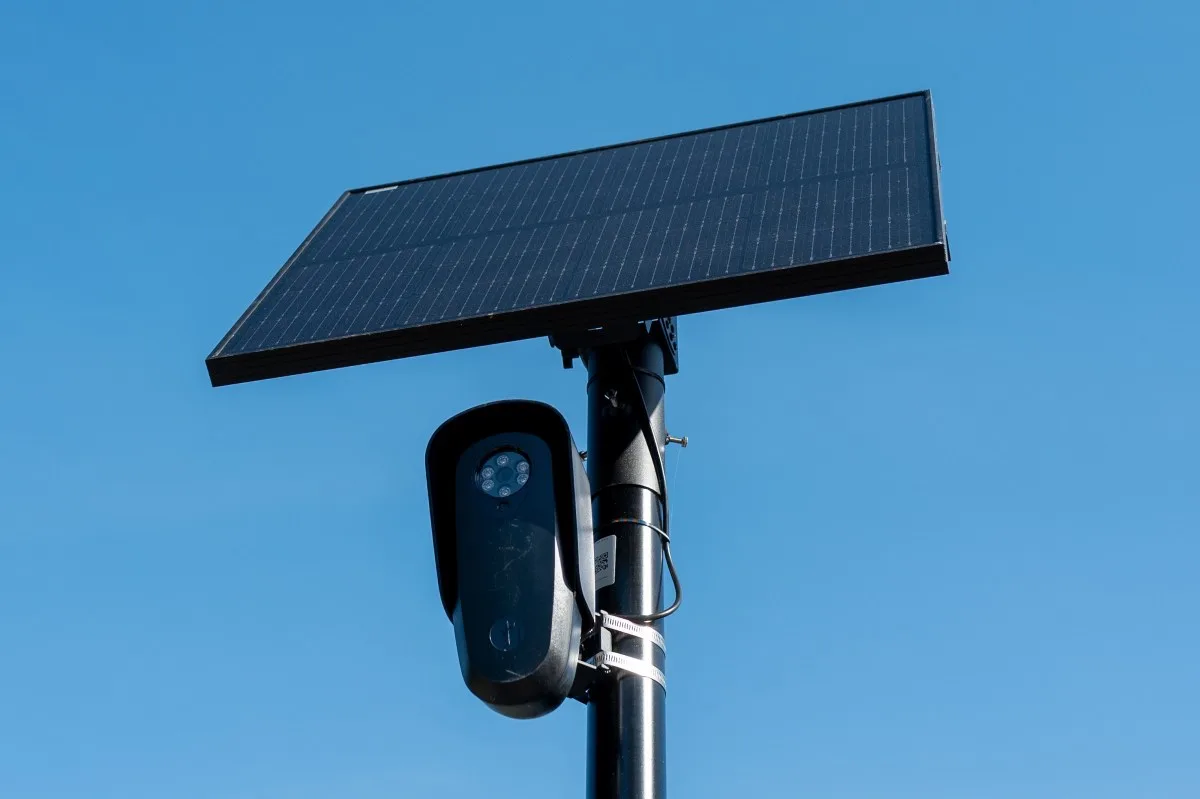
Flock Safety, a surveillance technology company known for its automated license plate recognition (ALPR) and pan-tilt-zoom (PTZ) cameras used by law enforcement, is under mounting pressure amid public backlash and political scrutiny across the US [1, 2, 3].
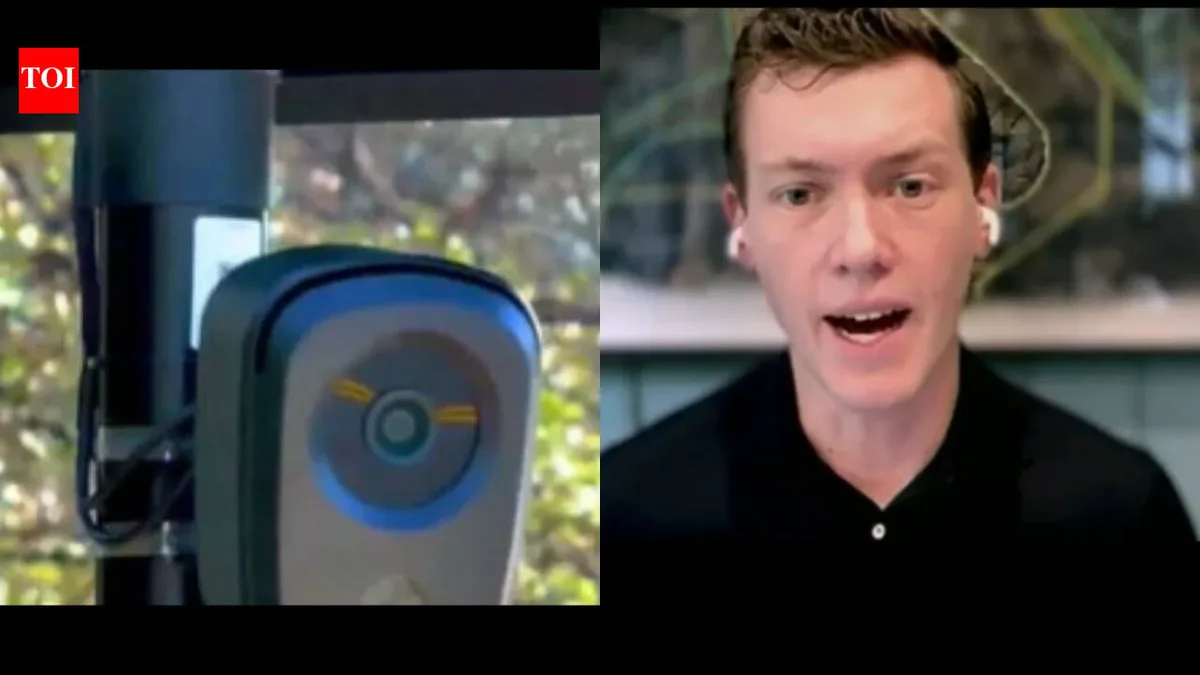
Flock CEO Garrett Langley publicly called for a national compromise between privacy and safety during recent interviews, emphasizing, "When people talk about just one of these, privacy or safety, they’re prioritizing the wrong thing, and what we have to prioritize as a country is compromise" [1]. He rejected calls to ban the technology, saying a ban would be like outlawing vehicles, adding, "Instead what we did is we introduced laws against drunk driving, laws around airbags" [2]. Langley acknowledged cases of police misuse, apologizing to victims while maintaining Flock was the first to expose abuse and build tools to detect it [1].
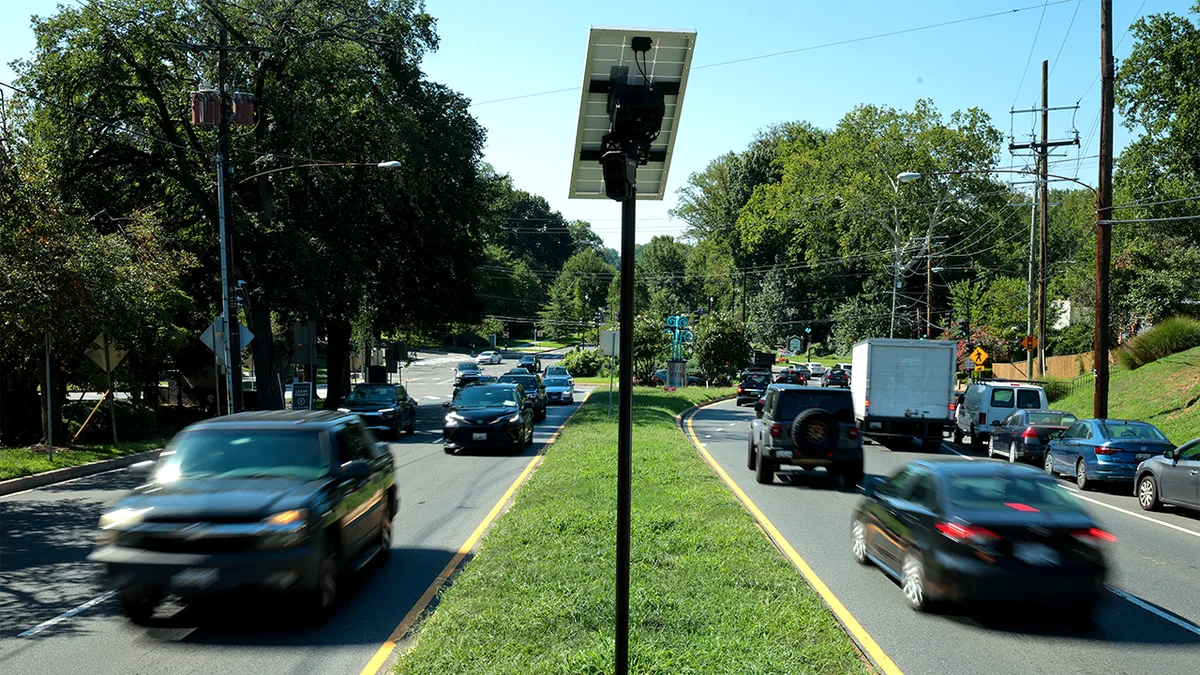
Flock’s surveillance cameras automatically scan license plates and record video footage. The company says the system cannot track people directly but only tracks vehicles, though documented police abuses include stalking spouses and ex-partners, raising privacy concerns beyond vehicle tracking [1, 2].
The company has about 120,000 ALPR units deployed nationwide, capturing billions of data points monthly to assist law enforcement, contributing to over 1 million investigations and helping locate more than 10,000 missing persons [2, 3]. Despite this, at least 56 municipalities have canceled or refused contracts with Flock this year amid privacy concerns and public protests [2]. Vandalism or destruction of Flock cameras has been reported in multiple states including New York, Minnesota, California, Illinois, West Virginia, and Florida [2, 3]. One West Virginia man was arrested in June for destroying several Flock cameras [2].
To address privacy concerns, Flock has reduced its default data retention period from 30 to 7 days and requires case codes to access data. However, retention can be extended using "Evidence Mode" [1, 3]. The CEO highlighted a lack of regulation and accountability in surveillance technologies, saying, "Today, it is too often that in Flock and in other technologies, there's no regulation. There's no accountability, and we think that's wrong" [3].
Political opposition has grown. Senator Bernie Sanders has called to stop AI mass surveillance that includes Flock, while three House Republicans introduced a bill to ban federal purchases of automated surveillance systems like Flock cameras [1, 3].
Public resistance includes protests such as one in early August in St. Petersburg, Florida, where a man held a sign in front of a Flock camera [3]. Protester Carl Gunn stated, "My biggest concern is I don’t want people to know where I go and when I go. That’s my business, not anyone else’s" [3].
Langley’s call for compromise and regulation marks the latest attempt by Flock to quell increasing opposition. The company’s surveillance policies and political challenges will likely continue to evolve in coming months.