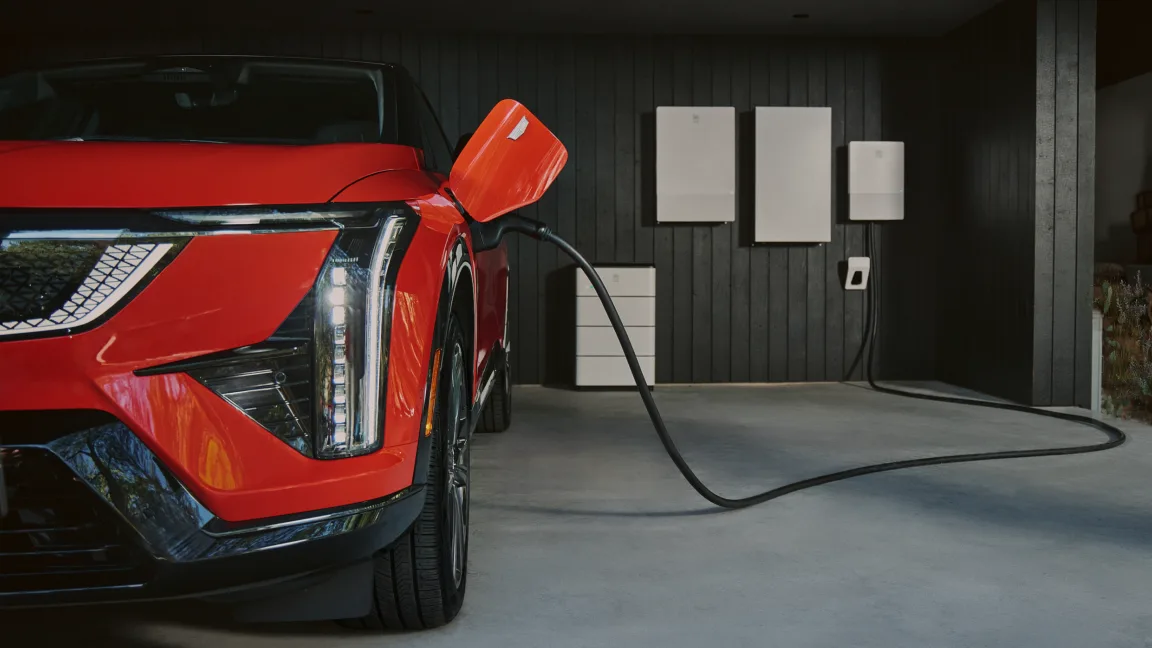
GM announced that its Energy products now support vehicle-to-grid (V2G) functionality alongside existing vehicle-to-home systems starting in June 2026 [1, 2]. The company also rolled out a firmware update enabling full V2G operation on compatible electric vehicles, allowing them to feed power back to the grid [2].
To facilitate grid integration, GM partnered with utility companies Pacific Gas & Electric in California and DTE Energy in Michigan to support the new V2G capabilities [1]. These collaborations aim to enhance the interaction between EV batteries and the electric grid, potentially providing grid stability and new value streams for customers.
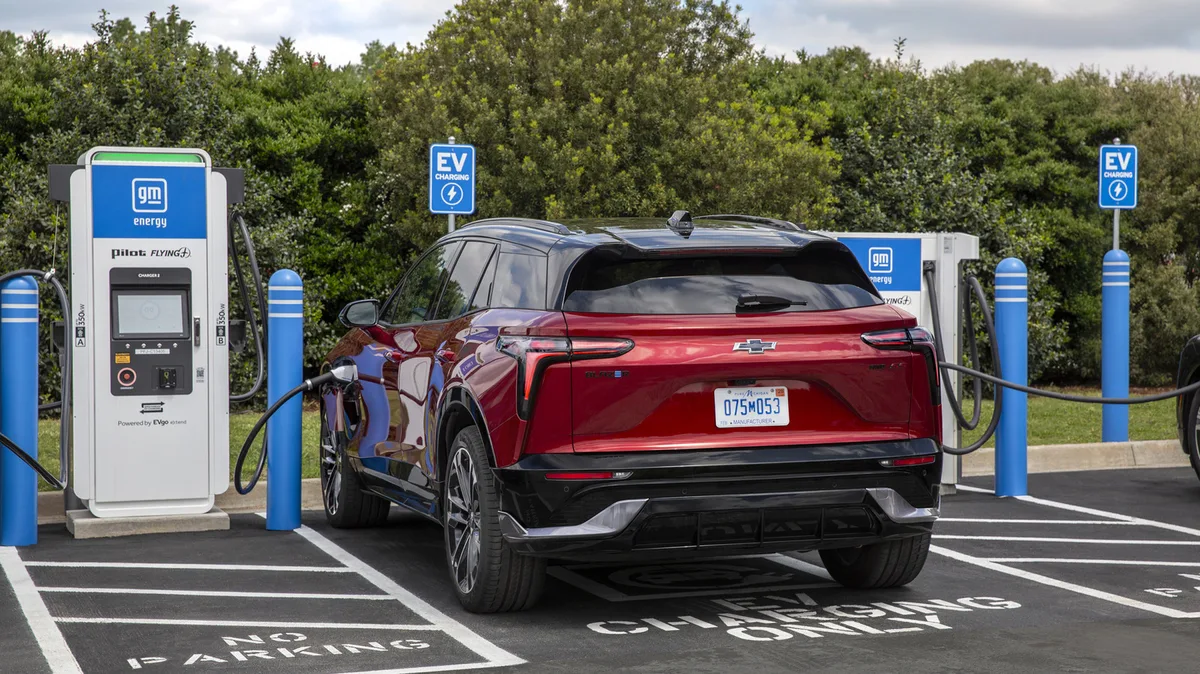
At the same time, GM launched Energy Pass, a universal app that grants access to public EV chargers across multiple networks. At launch, users can charge at Tesla, Electrify America, and IONNA stations, with EVgo and ChargePoint networks to be added soon [2]. This app intends to simplify charging by centralizing multiple networks under one interface.
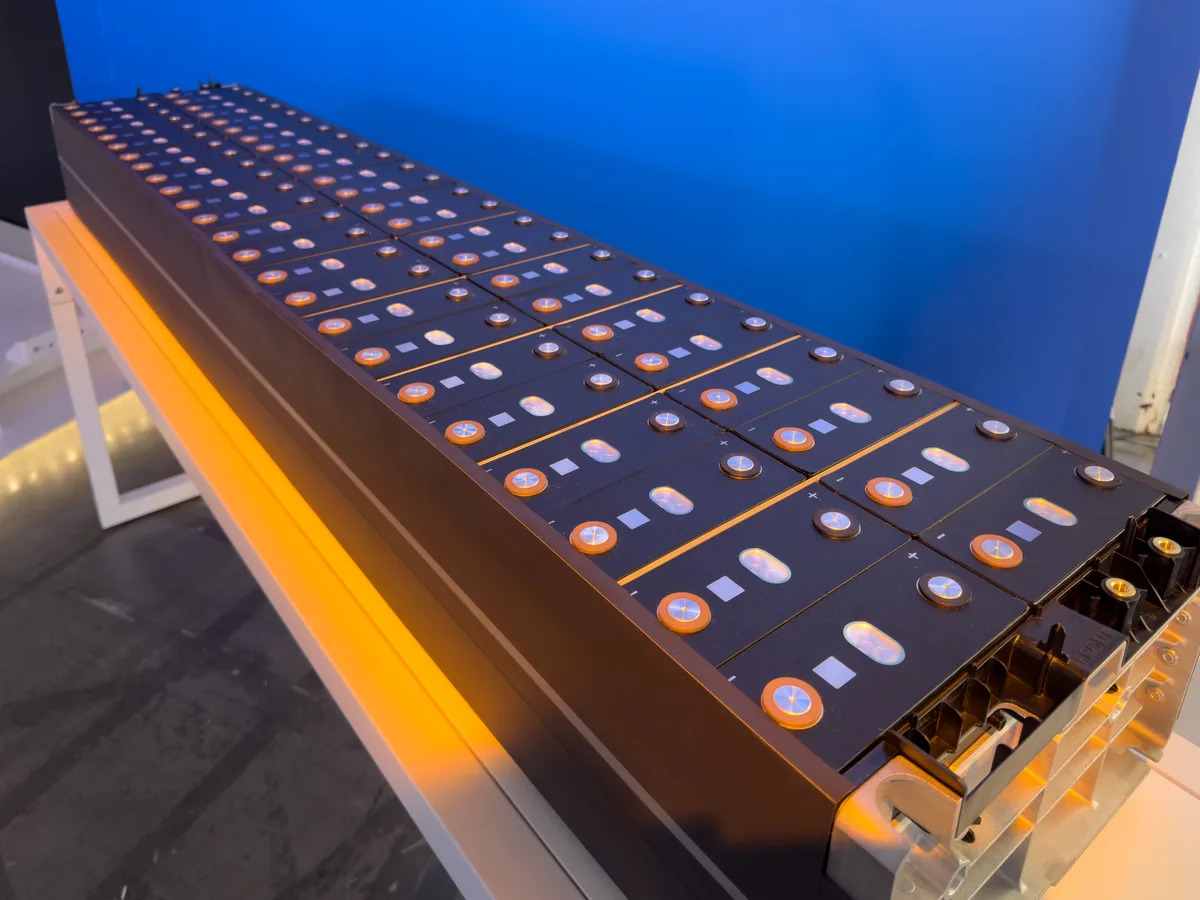
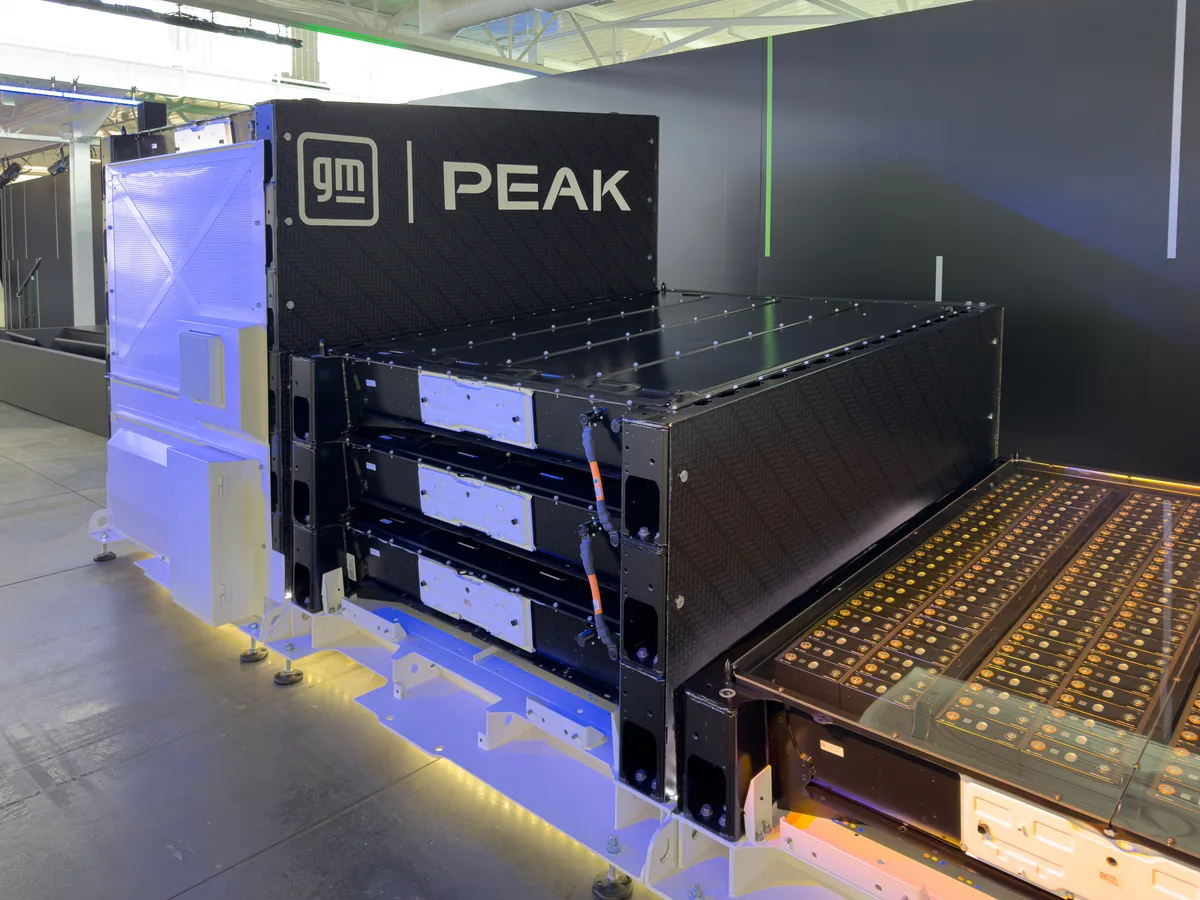
GM is also advancing standalone energy storage through the development of sodium-ion batteries in partnership with Peak Energy [1]. This effort targets affordable and scalable storage options outside of EV applications.
Wade Shaffer, GM Energy Vice President, stated, "Our mission is to deliver a customer experience like none other to that customer. So everything has to be focused there [on bi-directional charging], that’s it. That’s our intent, and the speed at which we do it is going to be important" [1]. This reflects GM's emphasis on ease of use and customer satisfaction in progressing bidirectional charging technology.
The June 2026 rollout marked a key step in GM's electrification strategy, combining vehicle-grid integration, expanded charging access, and energy storage innovation in one package [1, 2]. The company continues refining software and infrastructure to make bi-directional charging more accessible and convenient for EV owners.