Google announced on August 27 that it has added new travel capabilities to its AI Mode, enabling users to track flight prices, book hotels, and query points or miles redemptions within the AI interface [1, 2, 3].
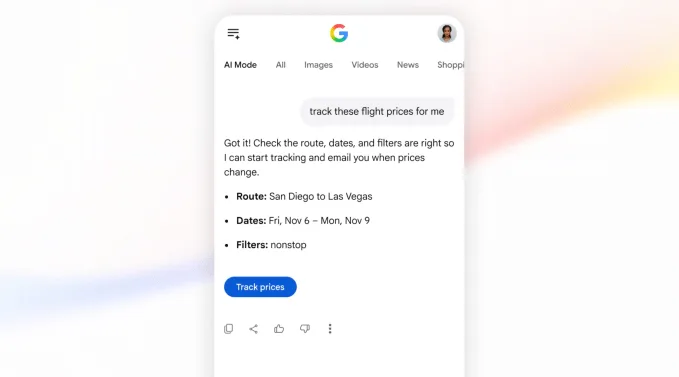
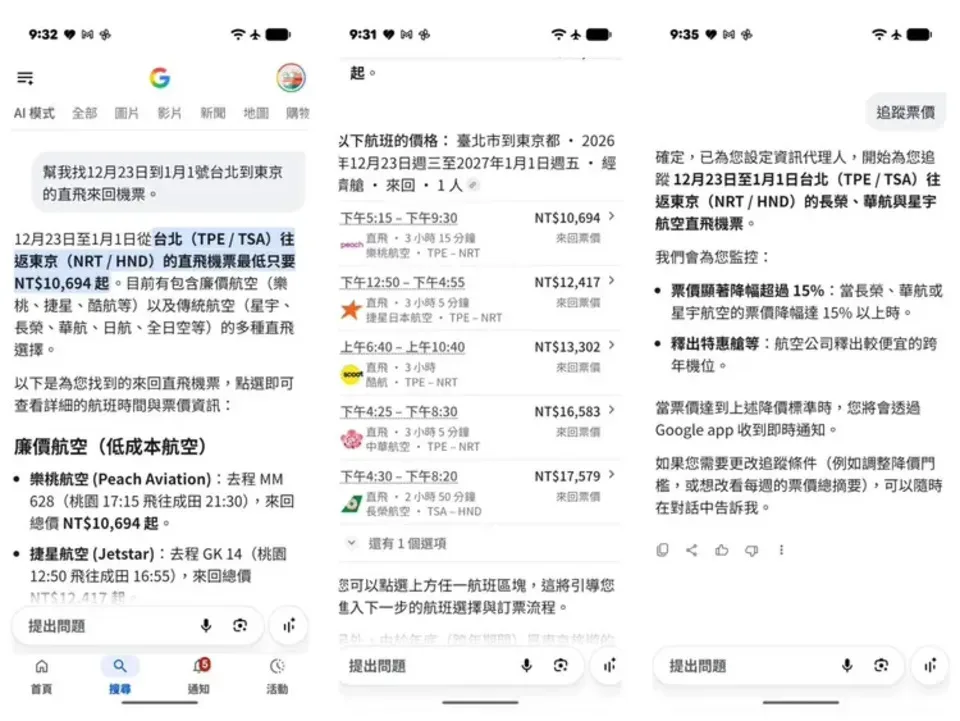
The flight price tracking tool lets users input travel dates and destinations and monitors fares from over 300 airlines and travel sites worldwide, excluding the European Economic Area (EEA) [1, 4, 2, 3]. Google said the feature is available in more than 180 countries and sends email alerts when prices change. Users can specify preferences such as nonstop flights, preferred airlines, and set price drop thresholds, like 15%, to trigger notifications [1, 3]. "AI Mode's flight price tracking is now available in more than 180 countries and lets users track prices and receive email alerts when fares change," Google said [1].
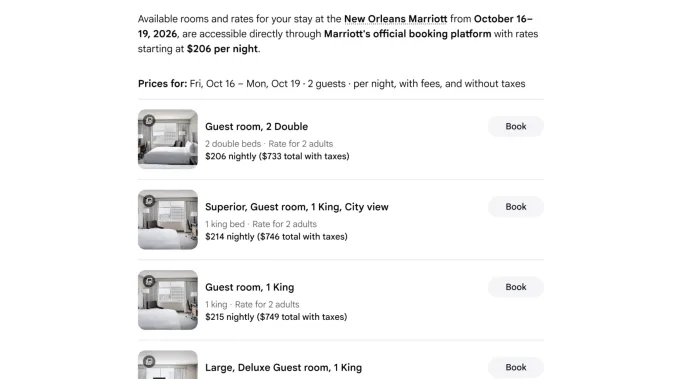
For hotel bookings, the AI Mode supports searching by user preferences, displaying reviews, and completing reservations with Google Pay within the U.S. in English [1, 4, 2, 3]. Partner sites include Booking.com, Choice Hotels International, Expedia, Hilton, Hotels.com, IHG, Marriott, Priceline, Trip.com, and Wyndham [1, 2, 3]. Bookings actually take place on partner websites using a "Continue on Google" option for verification before payment through Google Pay [1, 2, 3]. Google explained users can "tell AI Mode their hotel preferences and complete bookings seamlessly using Google Pay through integrated partner sites" [2].
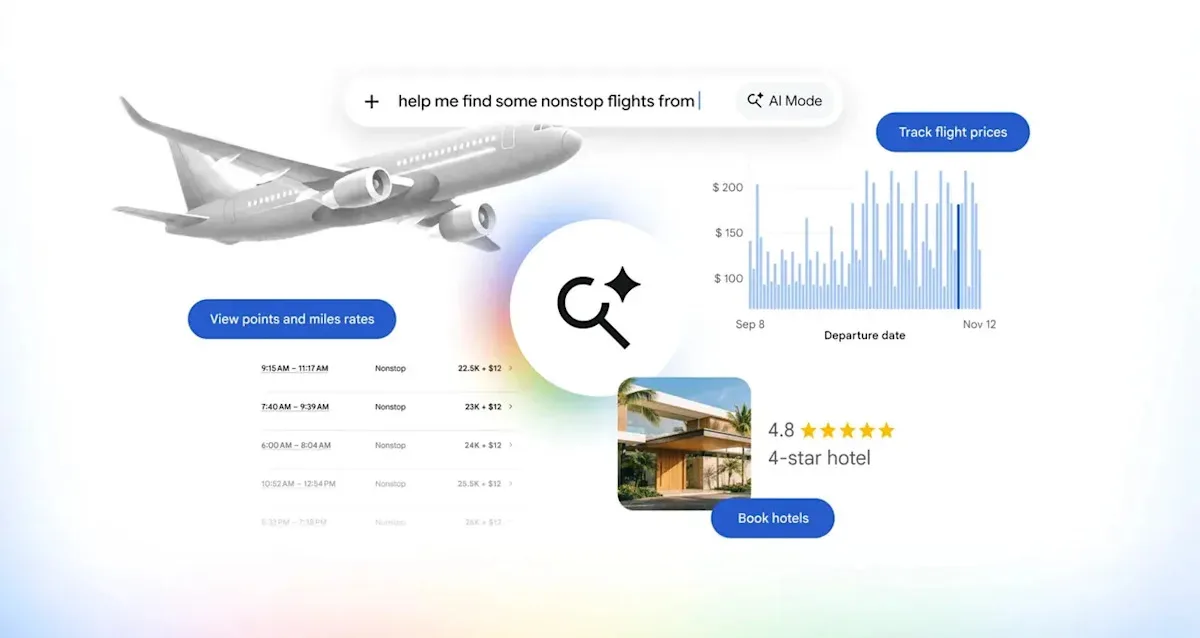
In addition, users can ask AI Mode about flight and hotel prices in points or miles with key partners such as Alaska/Hawaiian Airlines, American Airlines, Choice Hotels, Hilton, and Wyndham. Accor, Flying Blue, Hyatt, LATAM, and Lufthansa Group will be added soon [4, 2].
Google said the new AI Mode features aggregate flight schedules, pricing, reviews, and booking options from multiple sources to simplify travel planning and aim to let users complete it entirely within conversational AI [1, 3]. The flight and hotel price tracking plus points queries remain unavailable in the EEA due to regulatory constraints [4, 2].
The new AI travel tools were announced on August 27 and are now rolling out to users across supported countries and partners [1, 2, 3].