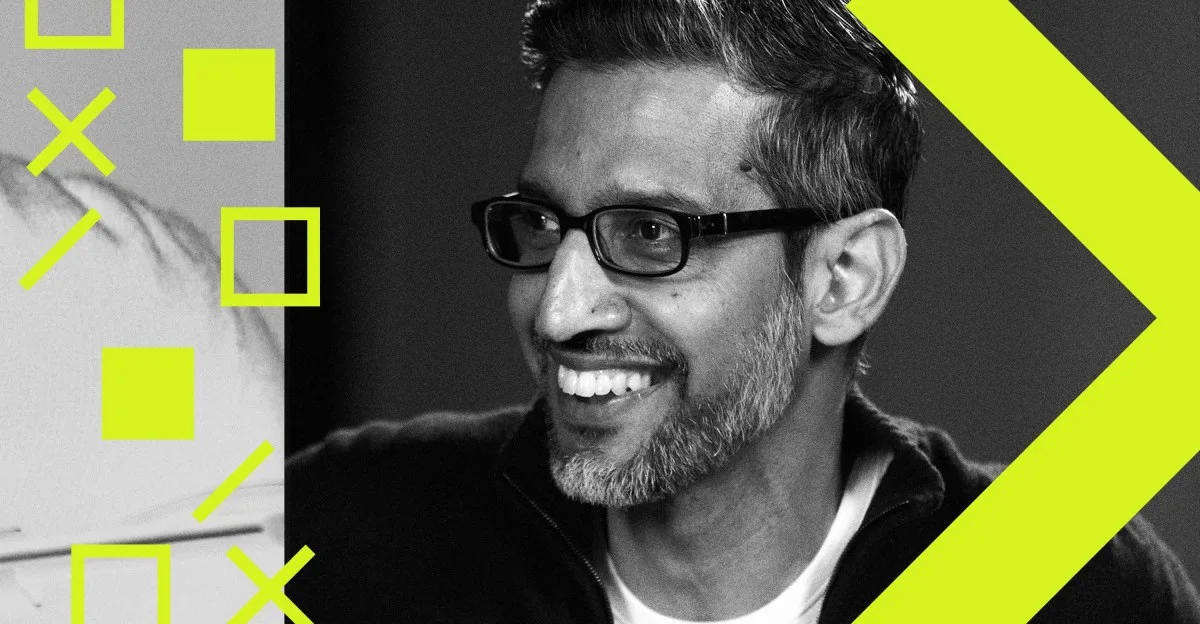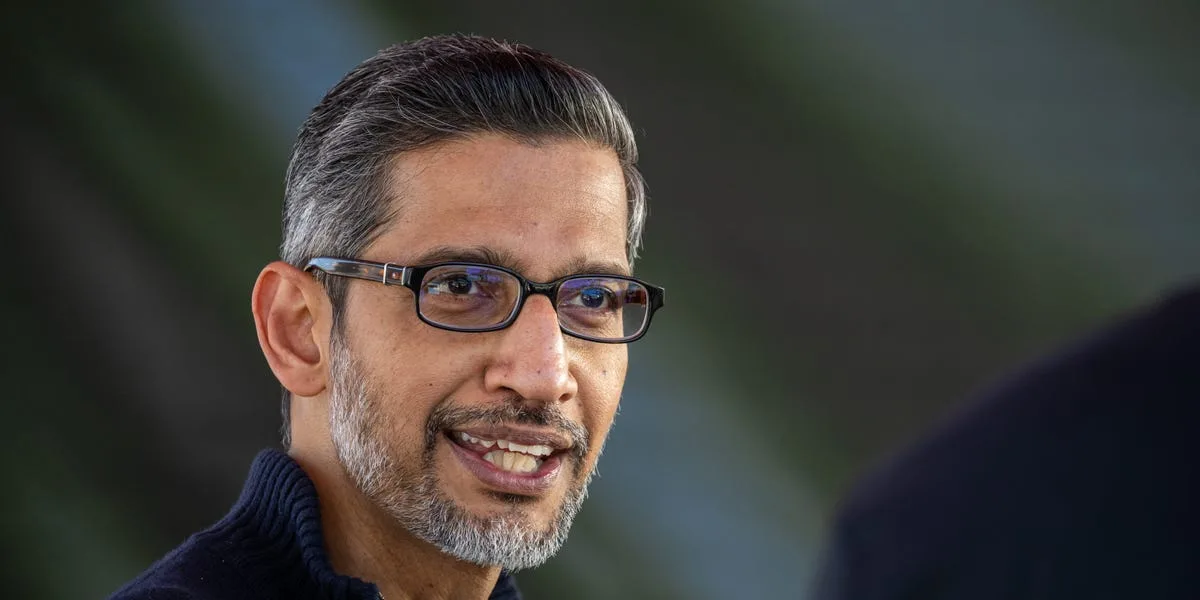
Sundar Pichai, CEO of Google, discussed the company's evolving AI strategy and the impact of AI on jobs during interviews this August 2026. He explained recent executive and structural changes at Google made in response to competition from ChatGPT and other AI tools [1].
At the Google I/O conference in May 2026, Google unveiled the Gemini AI models, marking a significant upgrade to its AI capabilities. These models are now integrated into Search and YouTube, including an intelligent search box and AI agents able to perform tasks beyond just showing search results [1]. Pichai described a concept dubbed “Google Zero,” where search traffic to external websites drops as Google aims to answer queries directly on its own pages [1].
YouTube’s search experience also changed, with AI trained on video content to deliver indexed snippets at relevant moments within videos, improving information access for users [1].
Pichai will deliver a commencement speech at Stanford University in September 2026. He acknowledged tensions among graduates, who have recently heckled tech executives out of concern that AI threatens jobs—issues exacerbated by layoffs and a peak unemployment rate for new graduates early in the year [2]. “Humans aren't evolved to process that much change. The scale of the change is unlike anything the world has seen,” Pichai said [2]. Yet he expressed optimism about the next generation, saying, “I've always been extraordinarily optimistic about the next generation. AI…doesn't change that,” and added that graduating students “are actually both going to be a big part of driving that progress and also dealing with the impact.”
Public opinion on AI remains divided. About half of Americans report more concern than excitement about AI’s growing role in society [2].
Pichai’s Stanford address next month is expected to focus on these challenges and perspectives as graduates face an evolving job market shaped by artificial intelligence.