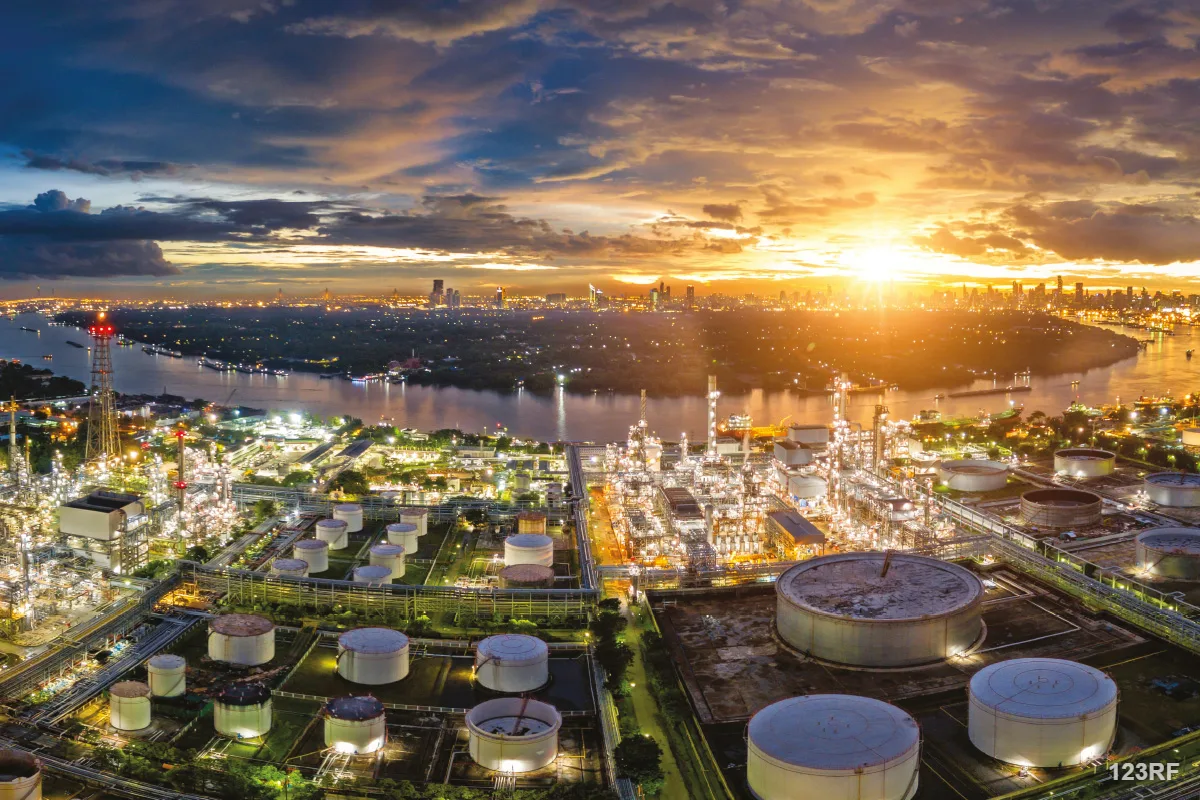
Google launched an AI-powered image-generation feature in Google Earth on July 30, 2026, using its Nano Banana 2 AI model to create photorealistic satellite and aerial images from text prompts of any location worldwide [1, 2, 3, 4, 5, 6, 7, 8, 9, 10, 11, 12]. The feature aimed to help users visualize history, design real estate plans, and enable other creative or planning tasks, according to a Google spokesperson [1, 6, 9, 10, 12].
The AI-generated images were watermarked and did not appear on the main Google Earth platform for other users, according to Google statements [1, 2, 3, 7, 9, 10, 11]. Despite these safeguards, many researchers, journalists, and misinformation experts raised alarms about the potential for the tool to produce highly convincing fake satellite imagery that could spread disinformation globally [1, 4, 5, 6, 7, 9, 10, 11, 12]. Examples of manipulated images shared included fictional disasters, explosions, refugee camps, nuclear plants, fires, collapsed bridges, and military training sites [4, 7, 10, 11, 12].
Digital investigations expert Henk Van Ess criticised the feature for undermining Google Earth's reputation. He remarked, "Google spent 20 years building the reference the world checks against. Today, it added a button that makes things up" [1]. Brady Africk of the American Enterprise Institute noted it would "make it easier to generate convincing fake satellite imagery that can spread quickly online and mislead the public," warning that such fakes "erode public trust in satellite imagery, and make the jobs of journalists and researchers more difficult" [1]. Berkley, executive director at the Information Resilience Center, added, "Trust in satellite imagery has been built over decades but could be irreversibly damaged overnight by this irresponsible feature" [12].
On July 31, just about 24 hours after launch, Google rolled back and disabled the AI image-generation feature due to policy violations and risks of misuse [1, 2, 3, 4, 5, 6, 7, 8, 9, 10, 11, 12]. The Google spokesperson said, "We know that people uniquely trust Google Earth for a reliable view of the world. We’ve seen geospatial professionals using this feature for a range of useful purposes, however we’ve also seen people sharing screenshots of generated imagery that appear to violate our policies. So we’re rolling back this feature in Google Earth while we work on implementing stronger guardrails" [1].
Google plans to improve safeguards before reintroducing the feature [1, 2, 4, 6, 7, 8, 9, 11, 12]. The Nano Banana 2 AI model is part of Google’s broader AI investments across its products, including Search, Workspace, Maps, and Earth [9, 8]. Meanwhile, other technology companies such as Meta have recently withdrawn AI image-generation tools amid similar privacy and misinformation worries [2, 3, 8, 10, 11].
Google Earth, which is estimated to have been downloaded between 500 million and over 1 billion times, remains offline for image-generation at this time [4].