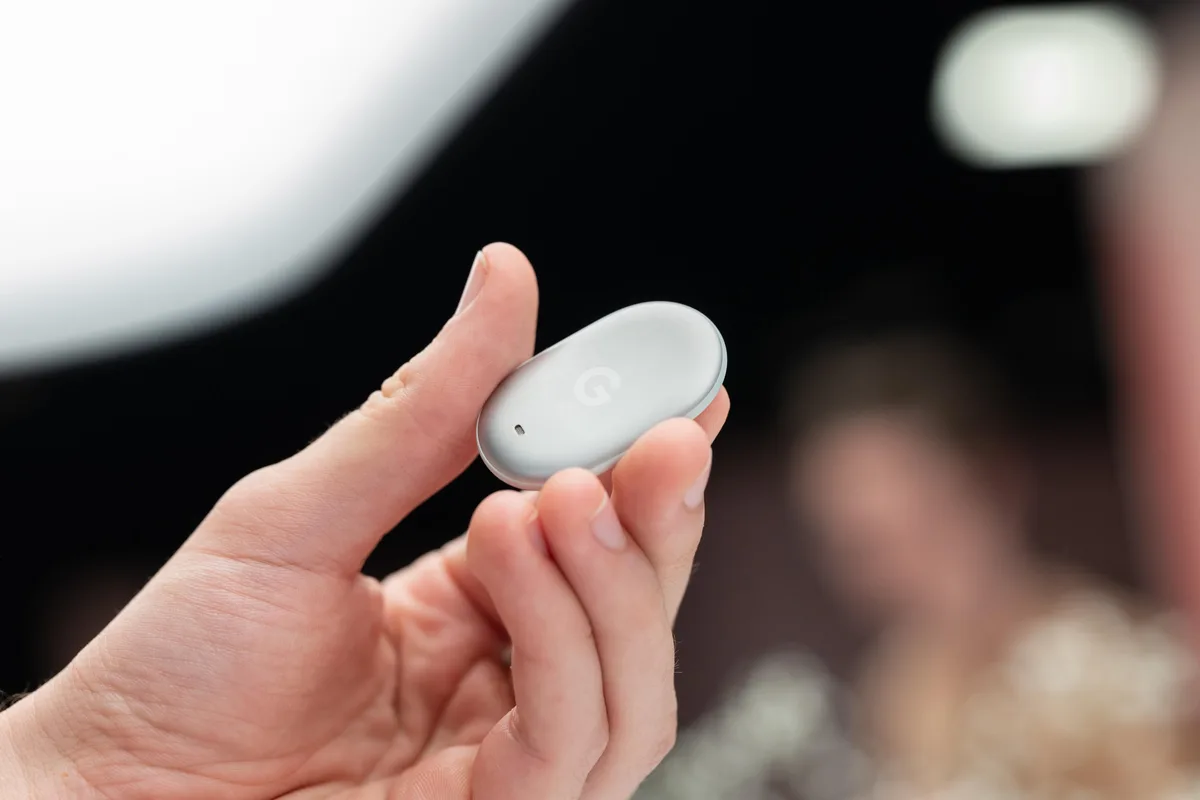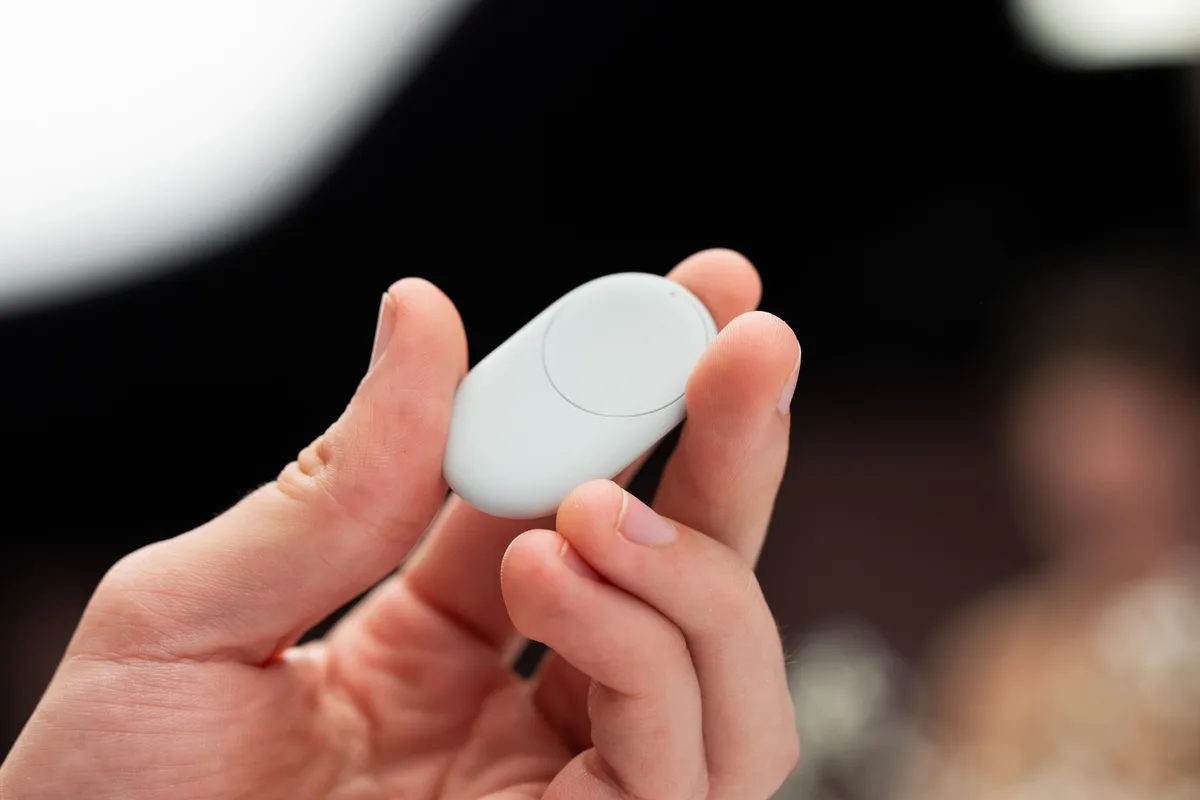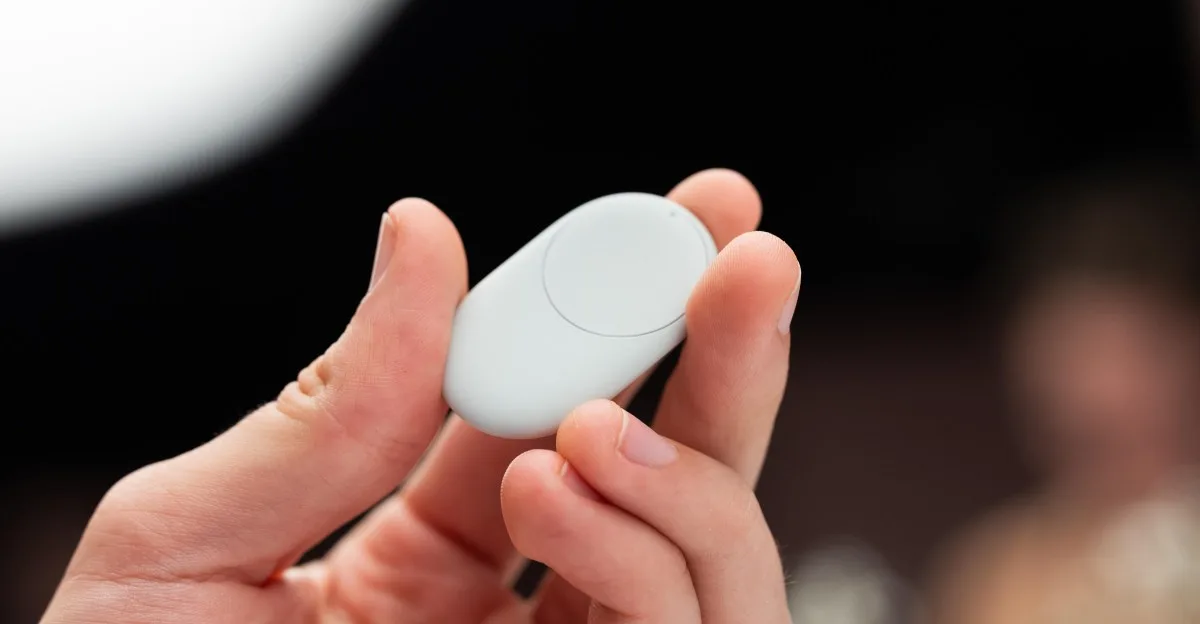
Google announced the Pixel Tag on August 12, 2026, at its "Made by Google '26" event. The $29 item tracker is designed for Android devices and competes directly with Apple's AirTag [1, 2]. It allows users to track item locations using Google's Find Hub network, which leverages Android devices globally to broadcast locations anonymously [1, 2].
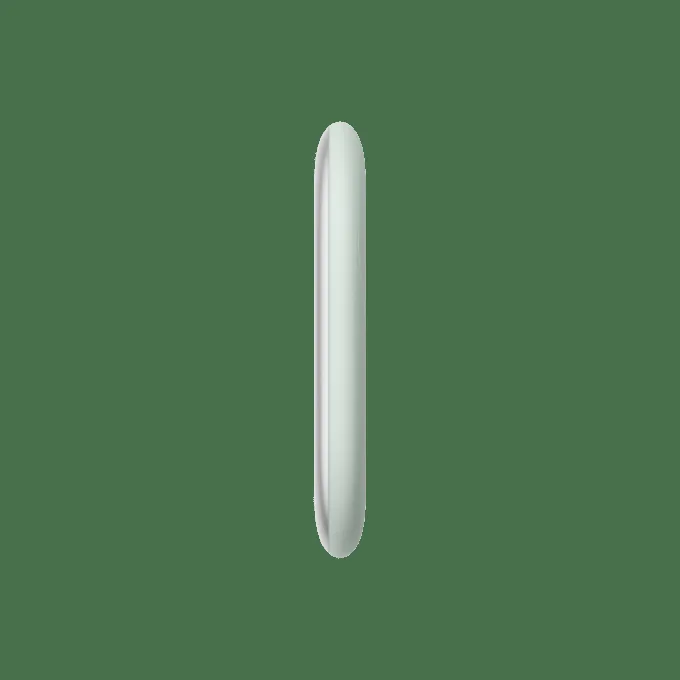
The Pixel Tag supports Bluetooth and Ultra Wideband (UWB) technology for precise location finding. It uses a user-replaceable CR2032 coin cell battery that lasts about one year before needing replacement [1, 2, 3]. The tracker has a pill-shaped design measuring approximately 1.8 inches by 1.1 inches by 0.2 inches and weighs around 0.4 ounces (12 grams) [1, 2, 3].
Made for real-world use, the Pixel Tag holds an IP67 rating for dust and water resistance, allowing submersion up to 1 meter for 30 minutes [1, 3]. Users can locate the device and make it ring not only from Pixel phones but also from Pixel Watches [1, 2].
Google is pricing the Pixel Tag at $29 for a single unit and $99 for a four-pack, matching the pricing structure of Apple’s AirTag [1, 2, 3]. The tracker requires devices running Android 9 or later to pair, but Bluetooth Channel Sounding features need Android 16 and Bluetooth 6.0 support [3]. UWB-based precision finding works only with Android phones supporting UWB, such as the Pixel Pro and Samsung Galaxy S and Z Fold series [3].
Preorders for the Pixel Tag began on August 15, 2026, with shipments scheduled to start on August 20, according to Engadget [3]. However, Google’s official sale date is set for November 11, 2026, when the product will be broadly available for purchase [1, 2].