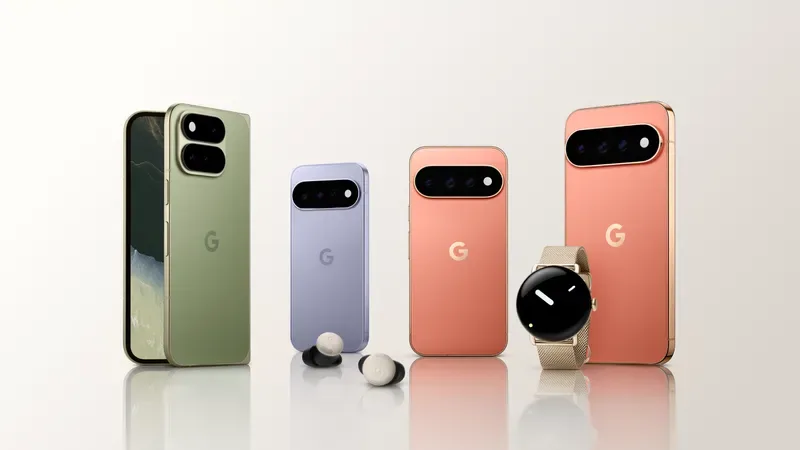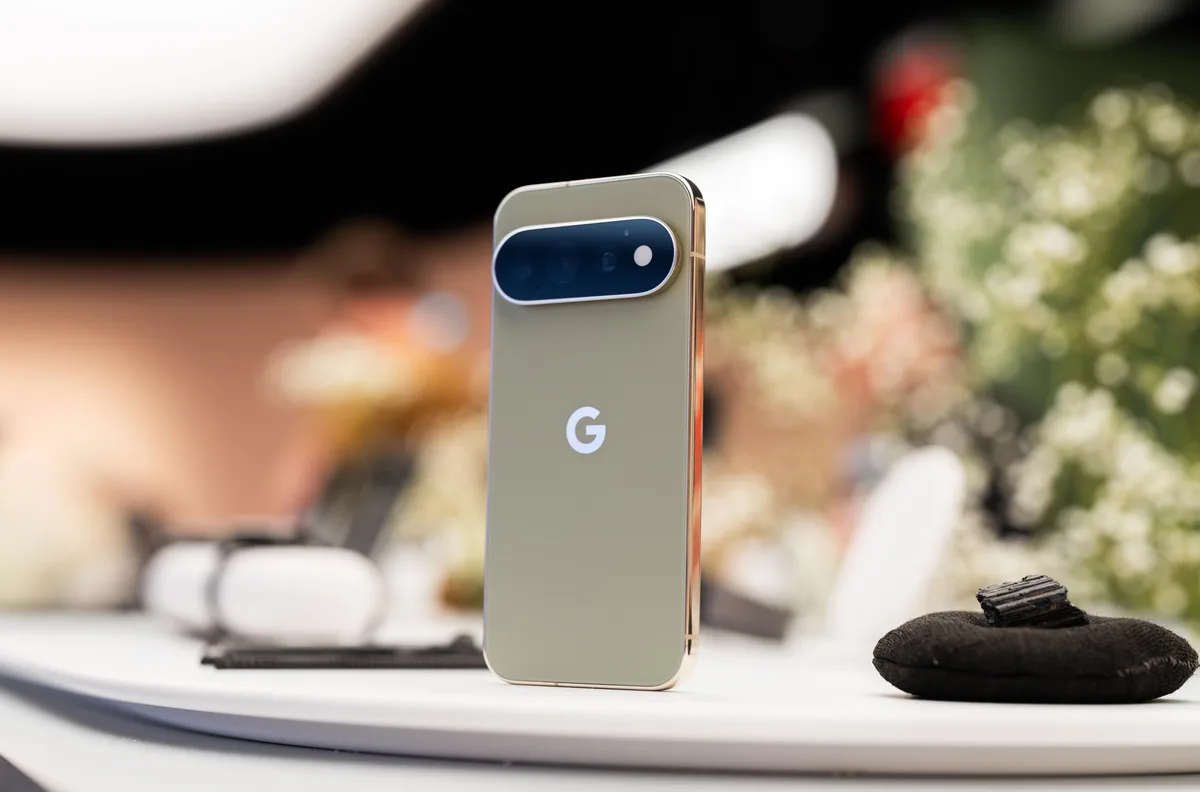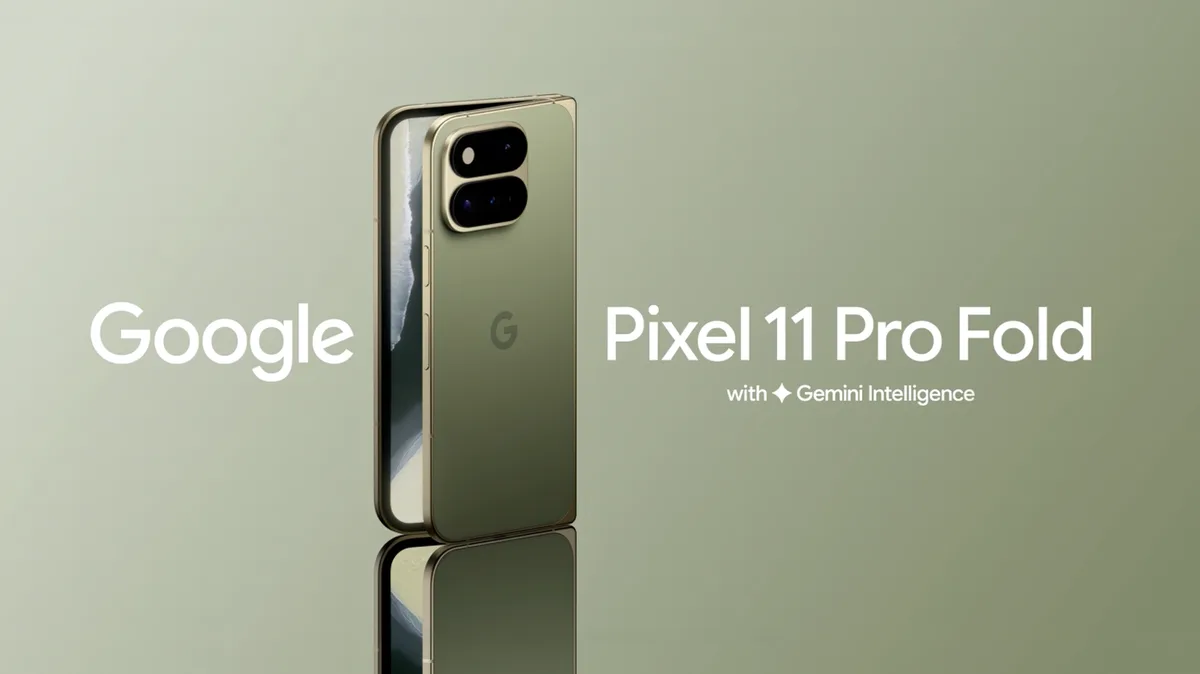
Google announced the Pixel 11 series on August 12, including the Pixel 11, Pixel 11 Pro, Pixel 11 Pro XL, and Pixel 11 Pro Fold models. All are powered by the new Tensor G6 chip offering upgraded AI capabilities such as live translation, task automation, and contextual suggestions through the Gemini Intelligence assistant [1, 2, 3, 4].
The series starts at $899 for the base Pixel 11, with the Pro models priced at $1,099 for Pro, $1,299 for Pro XL, and $1,899 for the Pro Fold—all $100 more than last year’s generation [5, 6, 7, 8]. Google confirmed pre-orders are open now, with retail availability scheduled for August 20, 2026 [6, 4].
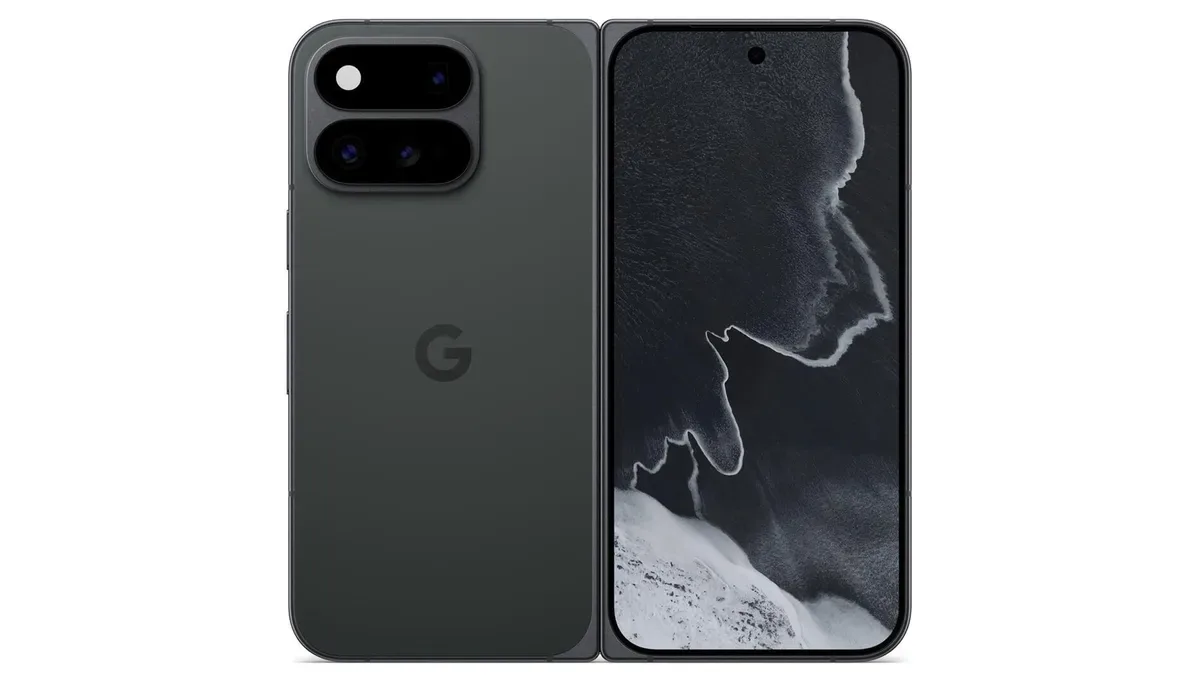
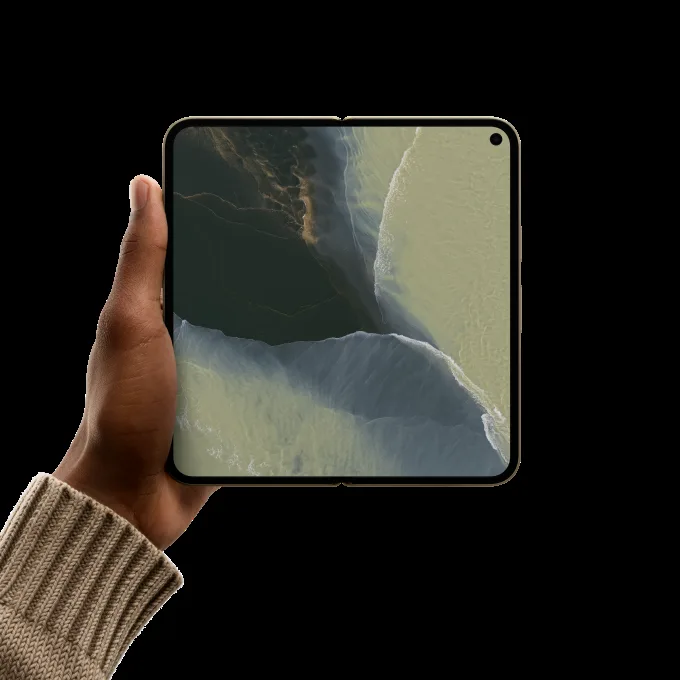
The Pixel 11 Pro Fold features notable hardware improvements. It is 1mm thinner and lighter than its predecessor and boasts triple the durability thanks to a stronger gearless hinge and ultra-strong ceramic cover glass. Its displays are also 20% brighter, reaching 3,600 nits peak brightness on both inner and outer screens [1, 9, 6, 8]. The Fold’s battery capacity decreased slightly from 5,015 mAh to 4,750 mAh, balancing thinner design with endurance [9].
All Pixel 11 devices include HiLight, an LED integrated into the camera bar that provides visual notifications for calls, messages, and the AI assistant’s status [1, 3, 10, 11]. The Pro and Pro XL come equipped with a 50MP main camera featuring a larger sensor and a 48MP telephoto lens supporting 5x optical zoom and up to 120x AI-enhanced digital zoom [3, 10, 11, 8]. The Pro Fold uses a new 48MP main camera capable of 30x digital zoom [9, 3, 10, 8].
Google’s Pixel 11 series supports faster charging speeds, with 30W wired charging for the Fold and improved Qi 2.2 wireless charging for the Pro models. The Fold also features a soft-touch composite back cover designed to resist cracking and retains an IP68 dust and water resistance rating [1, 9, 10, 8].
Google faced supplier-driven RAM shortages, leading to a reduction in base RAM for the Pixel 11 Pro and Pro XL models to 12GB from 16GB in the previous generation. Google maintained performance through software and silicon optimizations. A company spokesperson said, "Pixel’s full stack approach allows us to optimize the way on-device models load and execute, keeping our hardware lean, fast, and highly responsive" [7, 8]. However, some sources noted the Pro models still offer up to 16GB RAM configurations without specifying the base reduction [12].
Rick Osterloh, Senior Vice President at Google, said, "Pixel with Gemini Intelligence is designed to not just get information but get things done" and emphasized the company’s strategy to put new technology front and center, especially around Gemini and AI [4].
The Pixel 11 series maintains a similar external design to the previous generation, with the foldable model’s narrower form factor differentiating it from wider competitors like Samsung [9, 8].
Pre-orders for all Pixel 11 models opened August 12, with a global retail launch scheduled for August 20, 2026 [6, 4].