Meta’s Oversight Board issued a critical report on the company’s account deactivation policies in June 2026 after investigating complaints about threatening behavior on Instagram [1, 2]. The board found that Meta’s approach to banning accounts lacks due process, transparency, and consistency across Facebook and Instagram [1, 2].
In one specific case, the board reviewed an Instagram account with 70,000 followers that was permanently banned for threatening a journalist. The board agreed the ban was justified but criticized how the enforcement systems operate [1, 2]. Meta uses two separate systems to disable accounts: one based on strikes for repeated violations and another for egregious behavior resulting in permanent bans. However, the criteria for these systems are unclear and inconsistently applied [1].
Facebook and Instagram impose different penalties. Facebook allows temporary suspensions before permanent bans, giving users an opportunity to appeal. Instagram, by contrast, uses restrictions like banning livestreams or removing accounts from recommendations but does not offer temporary suspensions. The board highlighted this disparity as unclear and potentially unfair [2].
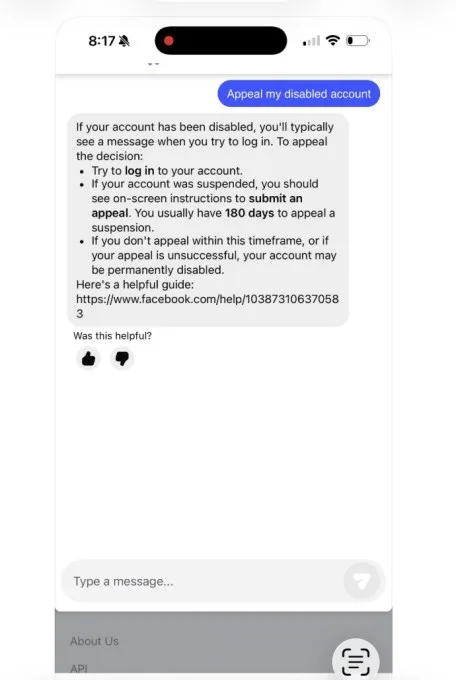
Meta Verified users, who pay for enhanced support, do not receive meaningful help when their accounts are disabled, the board said, raising concerns about service fairness across user groups [1]. Users affected by automated moderation bans have limited options for human review or appeals, leading to frustration and some legal challenges [1, 2].
The findings followed an Oversight Board investigation launched in June 2026 after a referral related to threats against a journalist, culminating in a TechCrunch report on June 4 detailing the lack of due process and transparency [1, 2]. The board’s report stresses the need for clearer, consistent policies and better user support.
Meta has yet to announce changes in response to the board’s report. The company faces ongoing pressure to improve its content moderation systems and appeals processes.