NASA’s Psyche probe performed a flyby of Mars in June 2026 to gain a gravity assist that increased its speed by about 1,600 kilometers per hour (994 mph) and altered its trajectory by one degree toward the asteroid belt [1]. During the encounter, Psyche passed within a distance ranging from 2,800 to 4,609 kilometers (1,740 to 2,864 miles) of Mars’ surface, though sources differ on the exact closest approach, with one citing 4,609 kilometers and another 2,800 miles [1, 2].
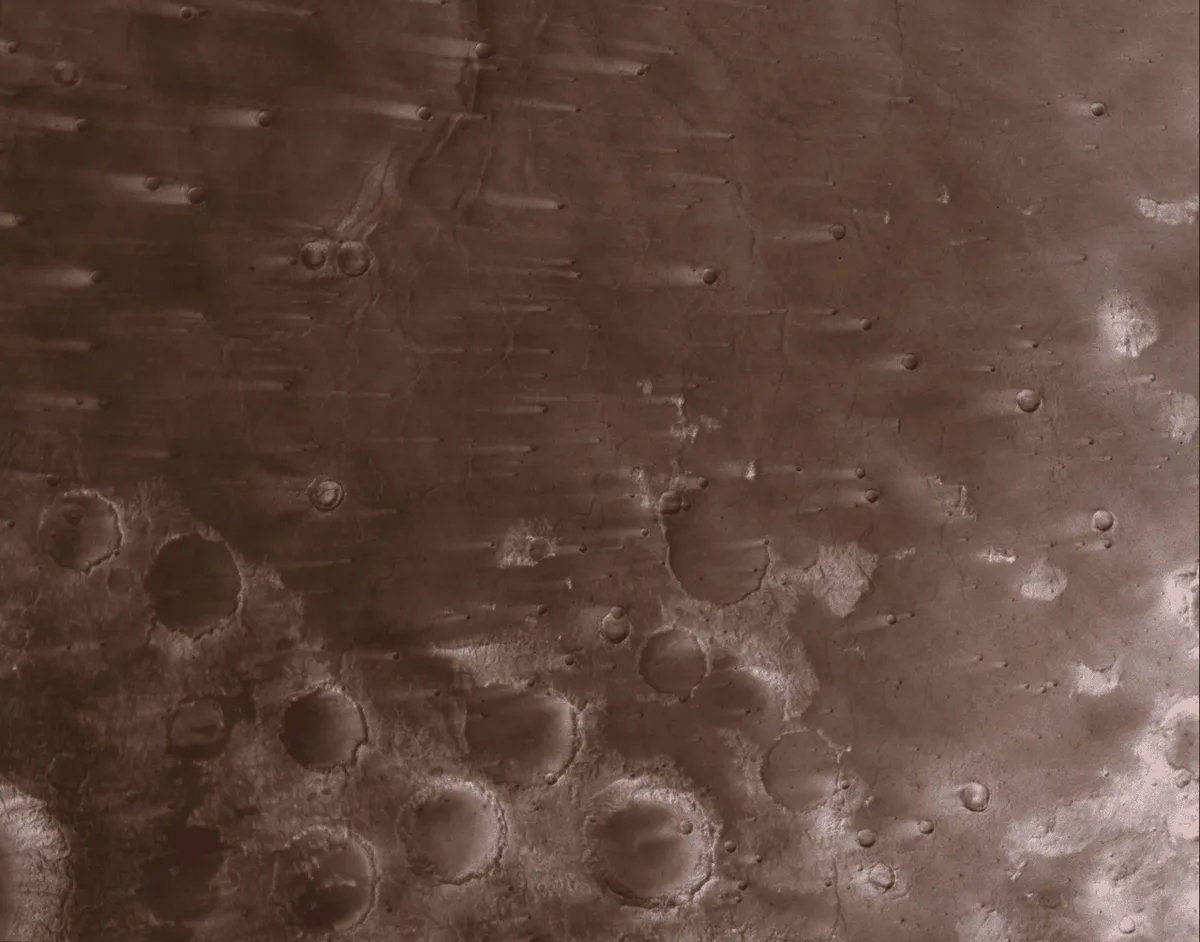
As Psyche neared Mars, NASA activated the spacecraft’s cameras and scientific instruments to capture thousands of images and to calibrate the instruments using views of Mars’ atmosphere and surface [1]. Jim Bell, the imager instrument lead for Psyche, said, “We’ve captured thousands of images of the approach to Mars and of the planet’s surface and atmosphere at close approach. This dataset provides unique and important opportunities for us to calibrate and characterize the performance of the cameras, as well as test the early versions of our image processing tools being developed for use at the asteroid Psyche” [1].
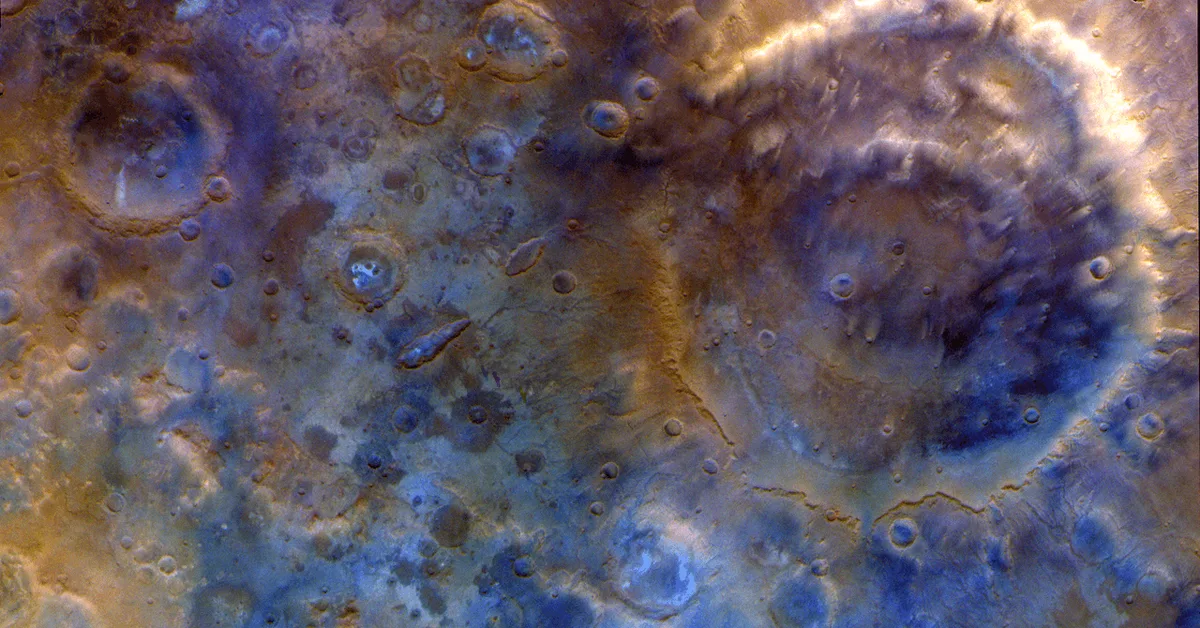
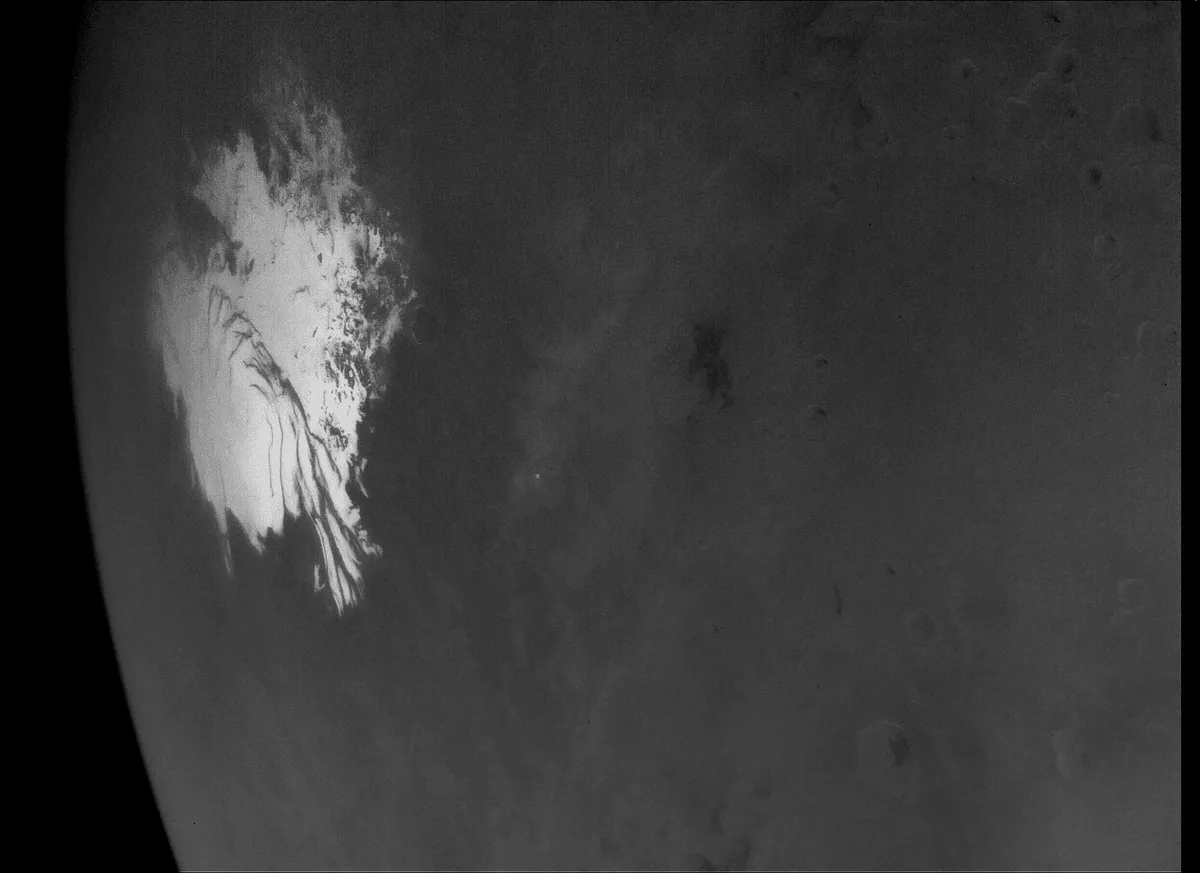
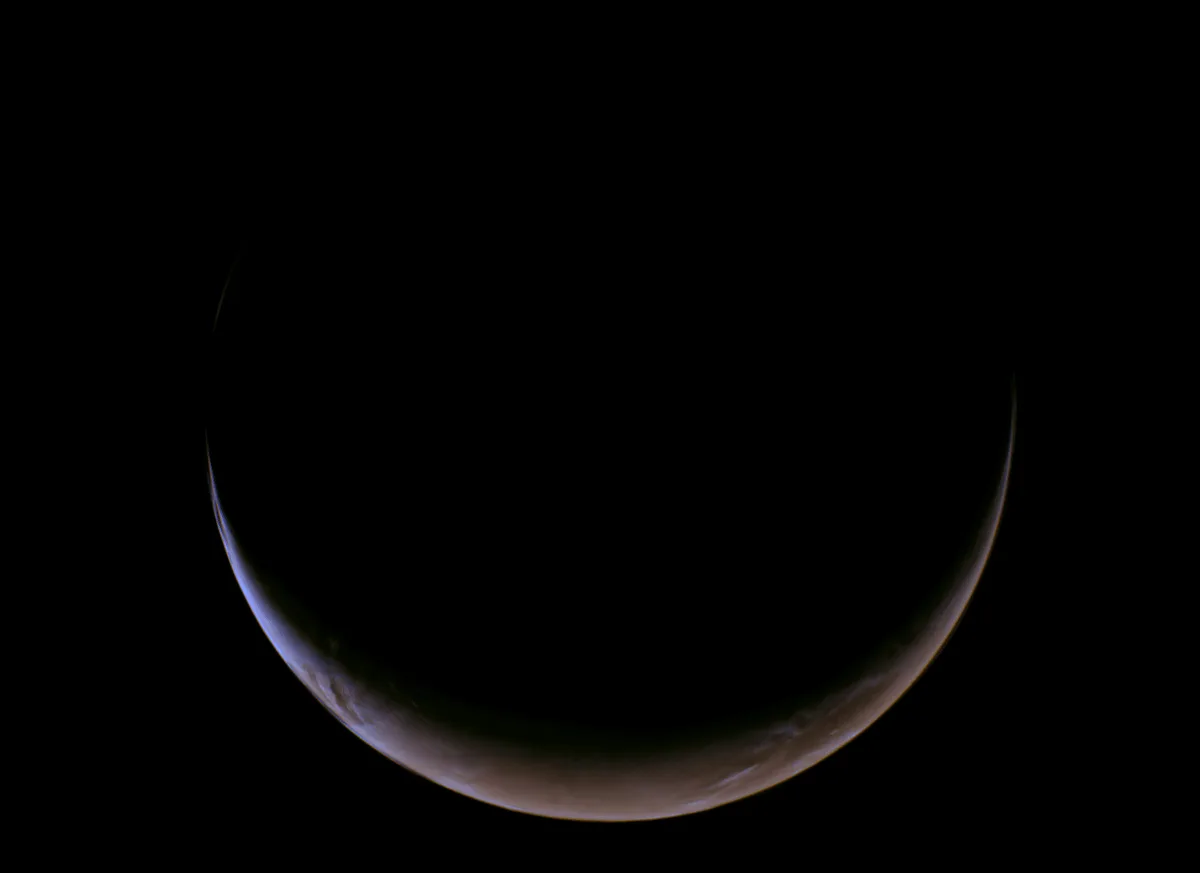
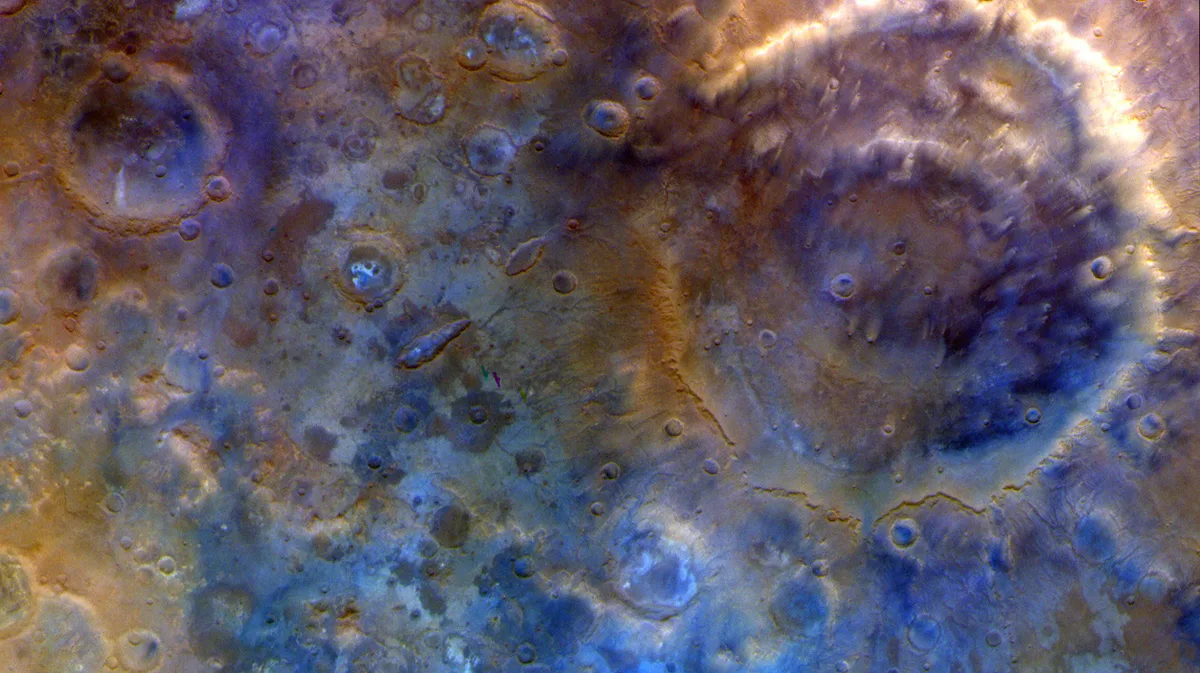
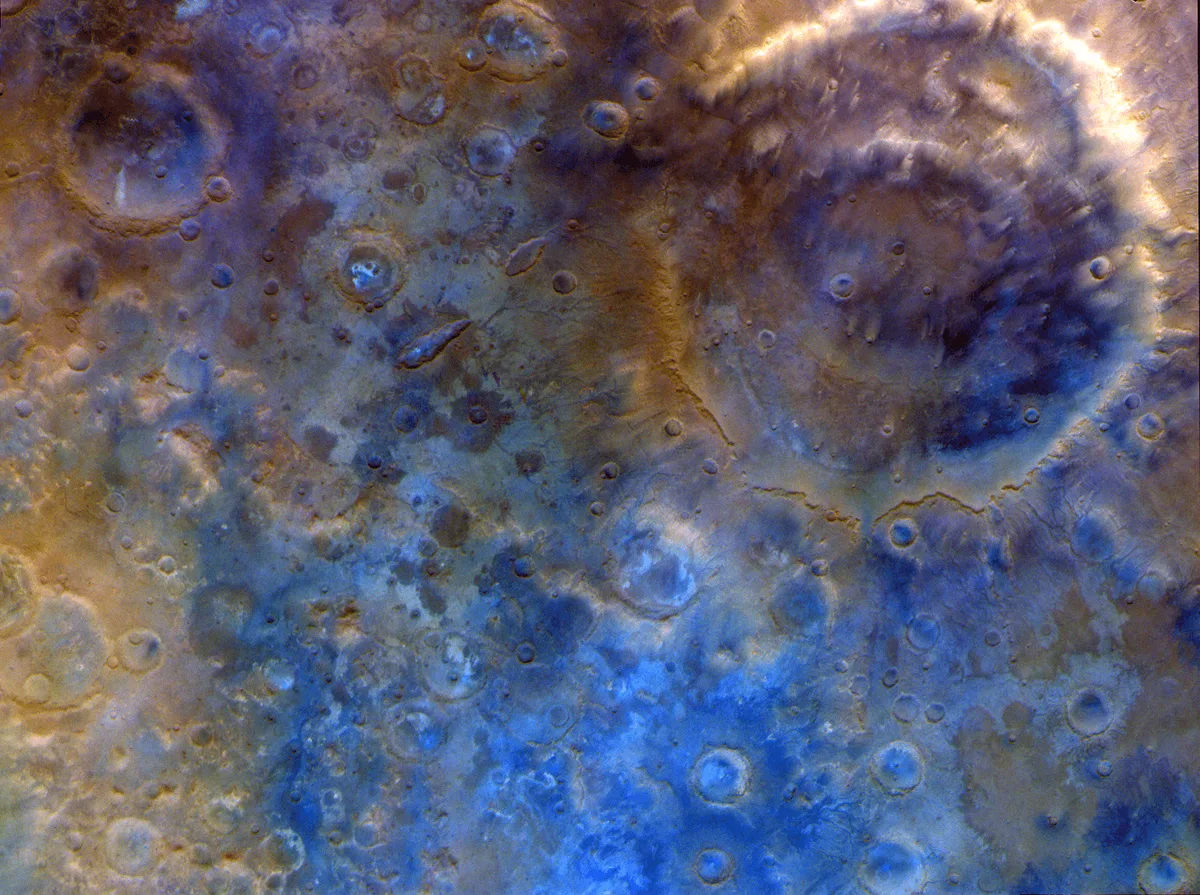
Among the images taken were a crescent view of Mars, high-resolution shots of the southern polar ice cap, and detailed photos of prominent surface features including the Huygens crater, a double-ring impact crater approximately 290 miles in diameter [1, 2].
Launched in October 2023, the Psyche probe’s mission is to reach asteroid 16 Psyche, the largest known metallic asteroid in the asteroid belt believed to be a remnant of a planetary core [1, 2]. After completing its Mars flyby, Psyche will continue its journey using solar-electric propulsion. The spacecraft is on course to arrive at 16 Psyche by August 2029 [1, 2].
Once in orbit around the asteroid, Psyche will conduct a two-year study to gather data on the composition and structure of planetary cores, providing insights into solar system formation [2].