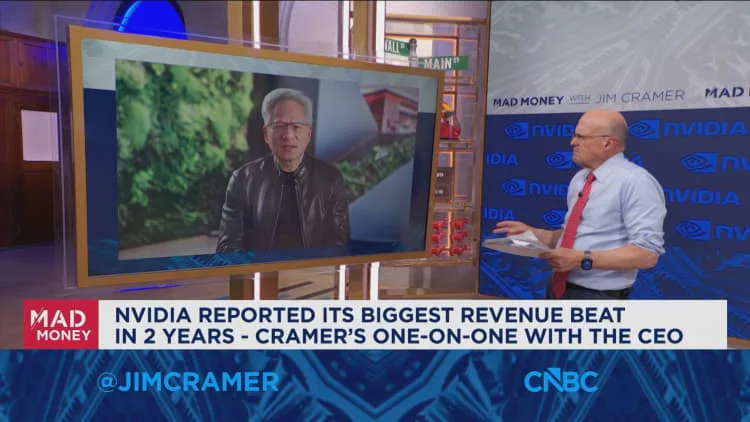
Nvidia forecasted a 70% revenue increase for its fiscal year 2028, significantly exceeding analyst estimates of about 44-45%, Nvidia CFO Colette Kress said on August 26. This would bring revenue to approximately $673 billion based on a fiscal 2027 consensus of $396 billion [1].
The company reported fiscal 2027 second-quarter revenue of $96.22 billion, up 106% year-over-year and beating the consensus estimate of $92.165 billion. Adjusted earnings per share rose 128% to $2.46, also surpassing estimates of $2.10 [2].
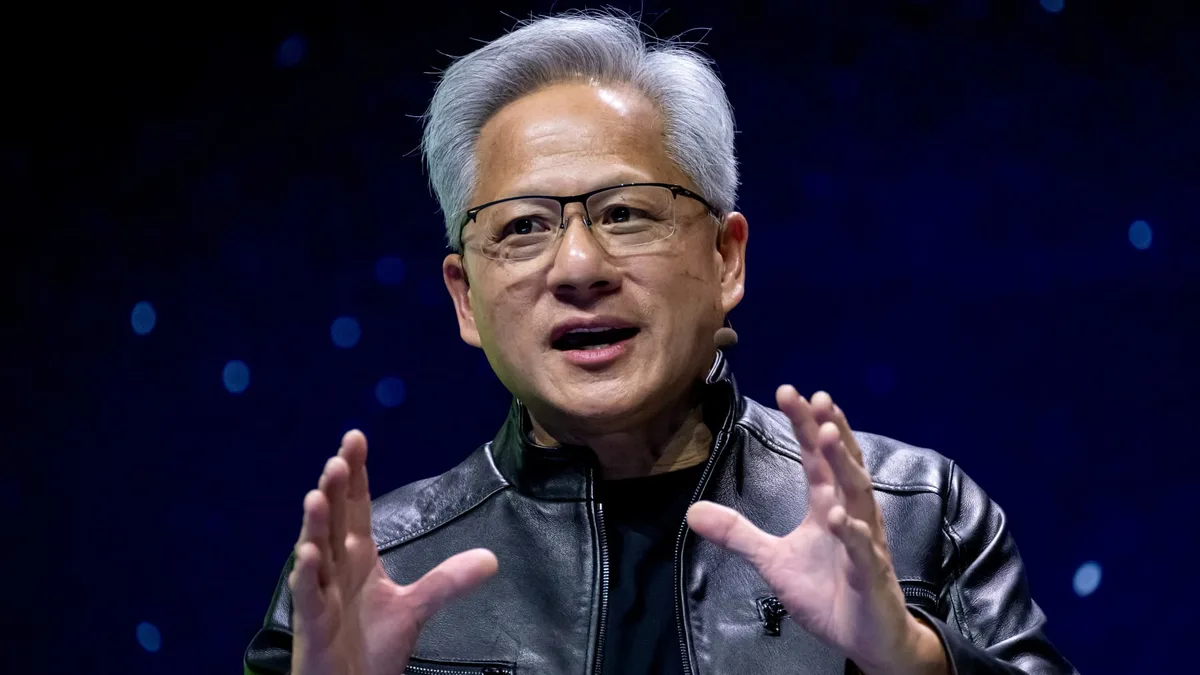
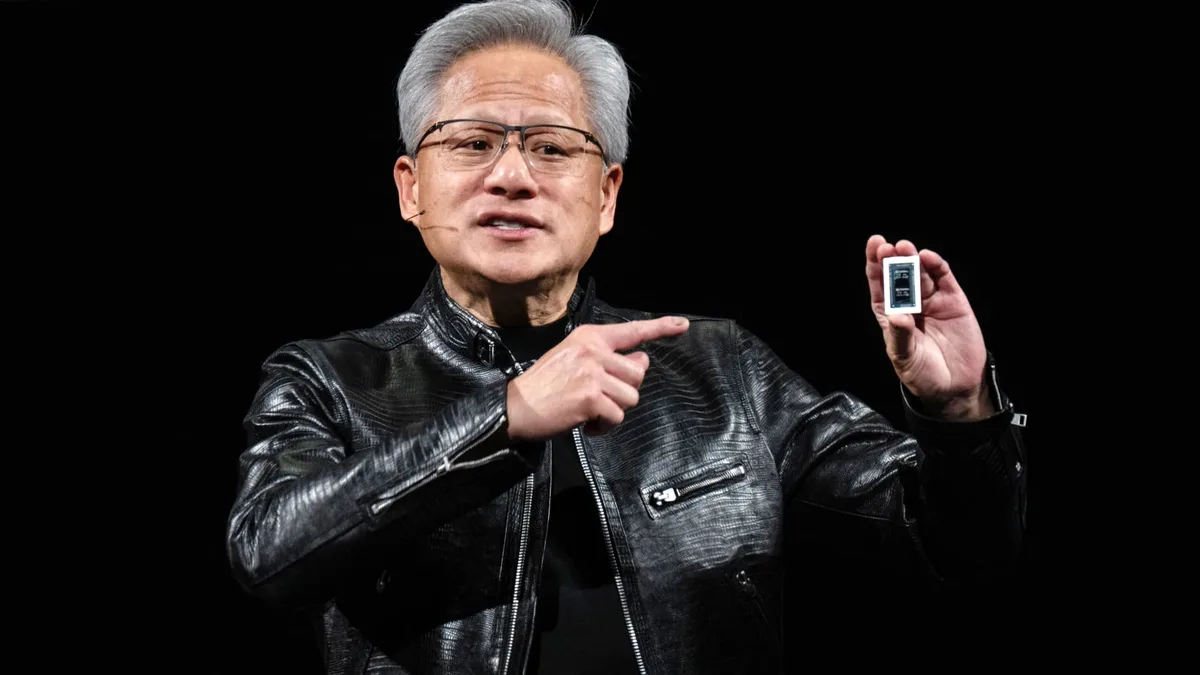
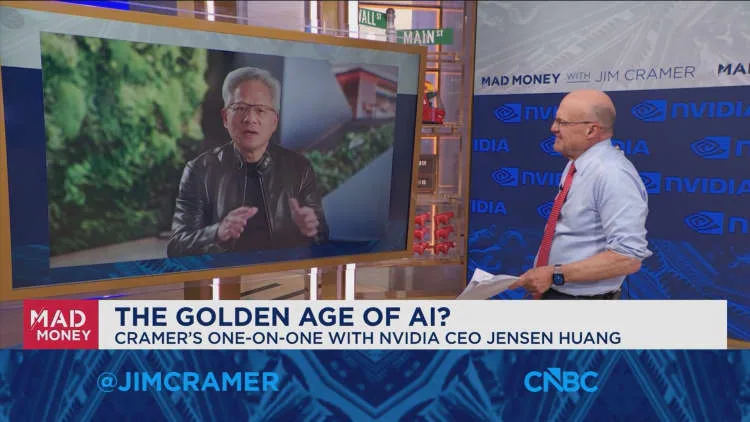
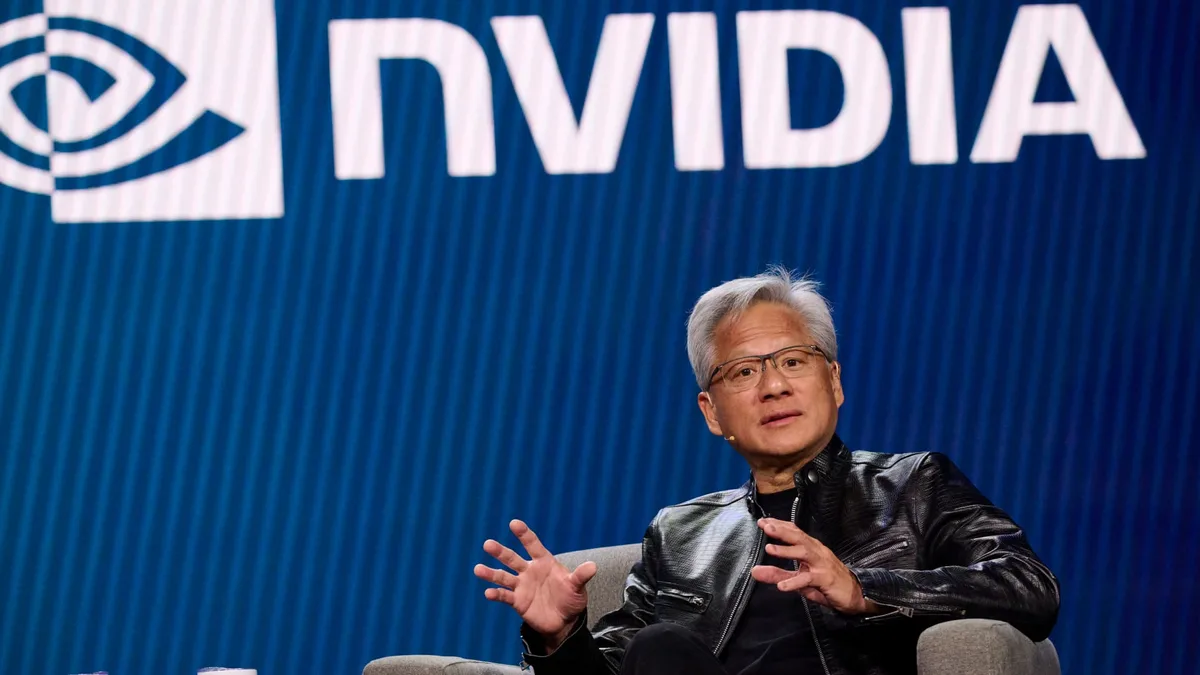
CEO Jensen Huang noted demand for Nvidia’s products exceeds 70%, but supply constraints, especially related to memory chips, limit deliveries to that level. "Our demand is much greater than 70%, our supply allows us to confidently deliver 70%, and we're going to continue to work with our supply chain to increase on that," Huang said [1, 2, 3].
Nvidia has increasingly invested cash to finance the broader AI ecosystem, including backing startups like OpenAI and Anthropic. It committed $105 billion to a large compute campus in Ohio where OpenAI is expected to be a tenant and partnered with Wall Street firms to arrange up to $500 billion in data center financing [3, 4].
Some critics raised concerns the financing might represent "circular financing," artificially boosting demand and revenue. Huang dismissed these claims, stressing the capital-intensive nature of AI development requires unprecedented funding. "The money we've invested is going to generate tremendous returns," he said. "This is the first generation of startups that needed tens of billions of dollars to get funded," Huang added [3, 4].
Nvidia’s data center revenue reached $89 billion in fiscal 2026 Q2, up 117% year-over-year and surpassing estimates [5]. Huang emphasized the importance of engaging communities around AI data centers and highlighted the opportunity to invest in sustainable energy infrastructure. "The technology industry, the builders, and, have to do a much better job working with the communities to get prepared for this AI infrastructure build-out," he said. "This is the first time in history that we're able to invest in sustainable energy, invest in improving our energy grid, securing our energy supply, reducing the cost of energy across the country" [5].
Nvidia’s next major report or update is not specified yet, leaving the market focused on how supply chain constraints and financing initiatives will unfold in the coming months.