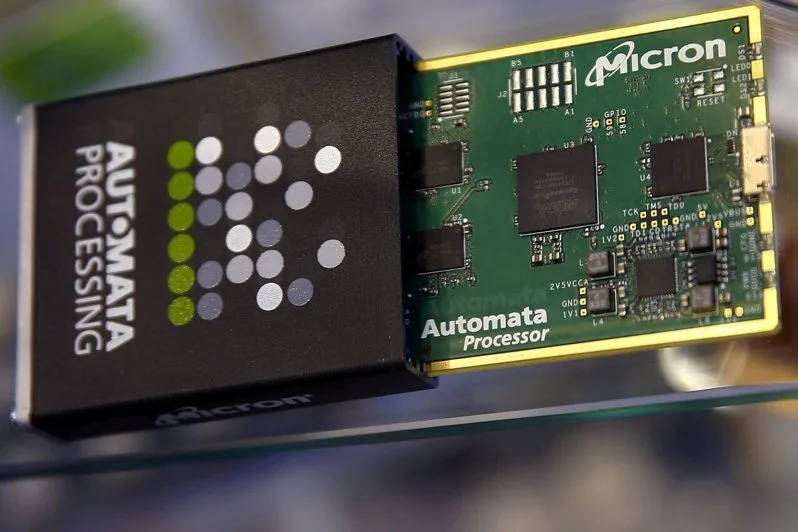
The Semiconductor Industry Association (SEMI) sent a letter on July 1, 2026, to U.S. Treasury Secretary Janet Yellen and other officials warning that government intervention in memory chip prices or production capacity could worsen the global shortage driven by expanding AI demand [1, 2, 3, 4, 5, 6]. SEMI urged that companies be allowed to continue signing long-term supply agreements and recommended extending tax incentives aimed at boosting domestic chip manufacturing [1, 2, 7, 3, 4, 5, 6].
The three largest global memory chip makers—Micron from the U.S., and South Korea’s Samsung and SK Hynix, all SEMI members—are actively investing in U.S. production to alleviate tight supply [1, 2, 7, 3, 5, 6]. Demand for high-bandwidth memory (HBM) and DRAM used in AI data centers has surged, tightening supply for consumer electronics and pushing up prices for smartphones, laptops, and other devices [1, 2, 3, 4, 6]. As prices rise, companies like Apple and Microsoft have passed on some of the increased costs to consumers [2, 5].
SEMI cautioned that policies distorting prices or production decisions could prolong supply imbalances and weaken demand recovery. The association stated, "If policies intervene in prices or capacity decisions, they may only extend periods of weak demand" [7, 3]. Royal Kastens, SEMI’s VP of Global Public Policy & Advocacy, said SEMI supports efforts to strengthen U.S. memory chip capacity as key to maintaining technology leadership but opposes mandates prioritizing U.S. market supply or government price controls [7, 3, 4, 6].
SEMI also urged the U.S. to re-examine semiconductor export controls on China to avoid disrupting global supply chains and called for coordination with allies including Taiwan, Japan, South Korea, and the Netherlands [3, 4, 6]. Some Chinese chip makers have warned of cyclical price volatility, questioning optimistic price forecasts through 2027 [8, 3, 6].
The global memory chip production capacity is forecast to grow about 19% annually over the next several years but this is not enough to meet surging AI infrastructure demand [1]. SEMI recommended policies focused on market mechanisms such as expanded investment subsidies, extended manufacturing tax incentives, and consumer tax credits to offset rising electronics prices [1, 2, 7, 3, 4, 5, 6].
On the lobbying front, Apple CEO Tim Cook has sought to ease restrictions to allow purchases of some Chinese-made memory chips to help relieve shortages [2, 7, 5]. SEMI’s letter highlights a preference for market-based solutions over direct government interventions affecting prices or production choices.
The U.S. government is expected to respond in coming weeks as the crisis continues to impact supply chains and consumer prices for electronics.