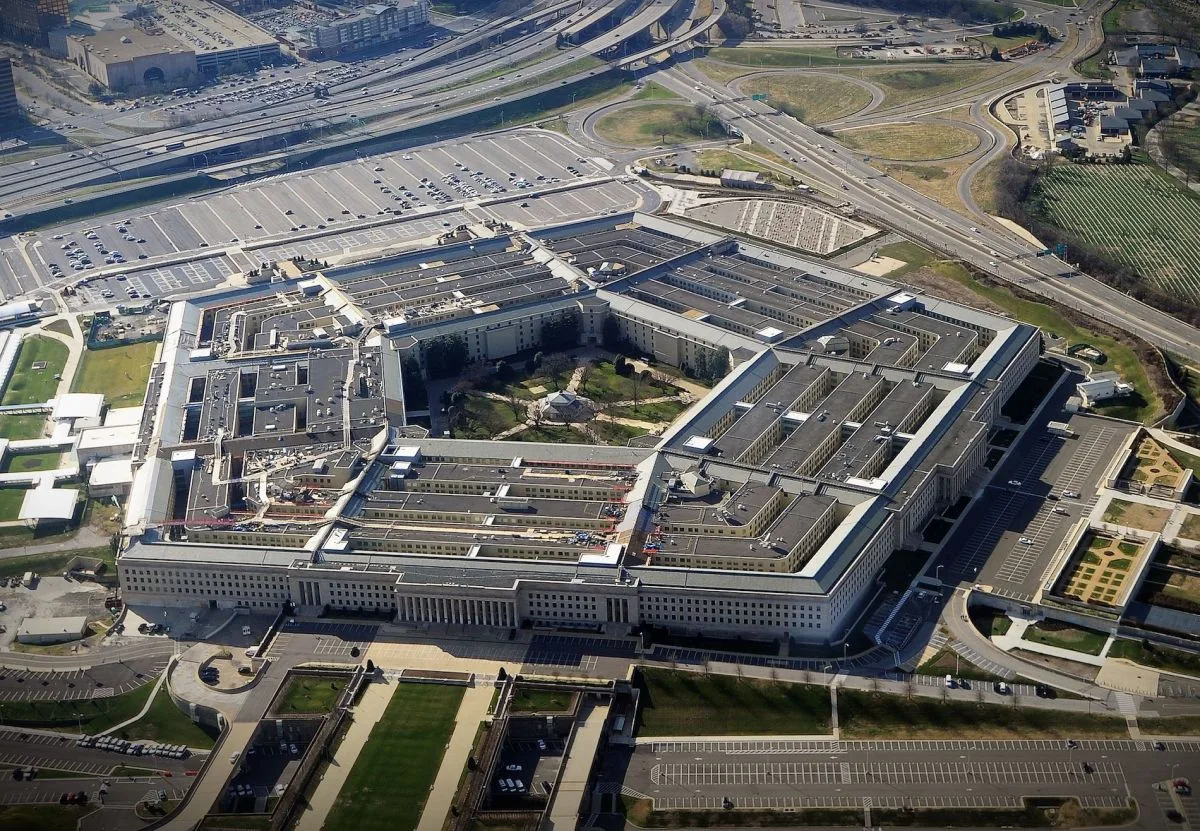
The U.S. Department of Defense has disabled advertising tracking on government-issued phones and computers used by Army, Air Force, Navy, Marine Corps, and Special Operations Command personnel to protect troops from location-based targeting by adversaries [1, 2, 3, 4, 5]. Advertising tracking uses a unique advertising ID, known as a Mobile Advertising ID (MAID), which tracks app activity and precise locations. This data is shared by brokers and sold commercially, allowing adversaries to monitor troop movements [1, 2, 3, 4, 5].
Foreign actors have reportedly exploited commercially acquired location data derived from these advertising IDs to target U.S. forces deployed in the Middle East [1, 2, 3, 4, 5]. The U.S. Army began disabling advertising IDs on Windows computers before 2021 and extended the measure to Android and Apple mobile devices at least since February 2026 [2, 3, 4, 5]. The Air Force followed about two months ago, in July 2026, disabling advertising tracking on its phones and computers [1, 2, 3, 4, 5]. Special Operations Command recently disabled advertising IDs on Windows devices, while the Navy has done so as well but has not disclosed the timing [2, 3, 4, 5].
Senator Ron Wyden has pressed the Department of Defense to address this security risk after learning of foreign targeting using location data. In a letter sent September 4, 2026, Wyden and Representative Pat Harrigan urged the Pentagon to update them on steps taken and emphasized the threat remains [2, 3, 4, 5]. Wyden said, "The efforts by the military to eliminate this threat have clearly ‘not been effective’" [2]. Harrigan added that "America’s enemies ‘should not just need to pull out a credit card to buy information to track U.S. troops.’" [2].
Wyden also warned that personal devices owned by troops and contractors on military bases may still expose service members to tracking despite the military disabling advertising IDs on government-issued gear [1]. The U.S. intelligence community and FBI have acknowledged purchasing location data commercially without warrants for surveillance and intelligence collection [1].
The Army’s earlier steps to disable tracking on Windows computers date back to before 2021, followed by mobile devices in 2026 [2, 3, 4, 5]. The Air Force took similar action in July 2026 [1, 2, 3, 4, 5]. The letter from lawmakers today signals continued Congressional oversight and pressure on the Pentagon to further tighten protections for service members against commercial location tracking [2, 3, 4, 5].