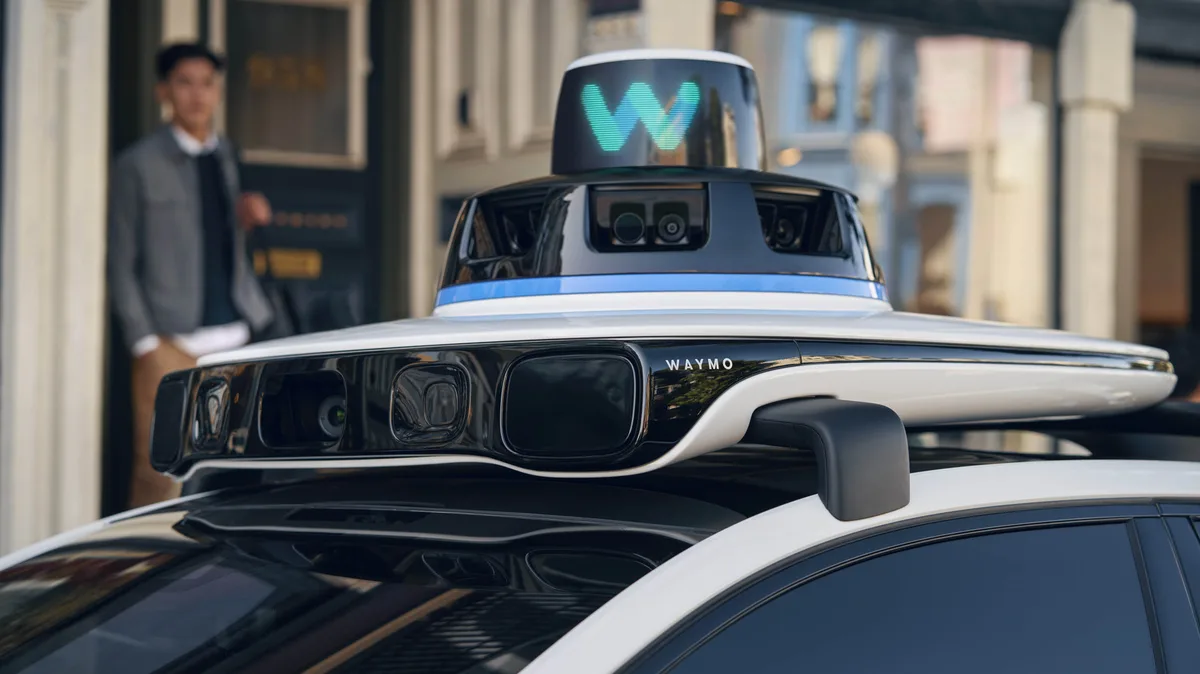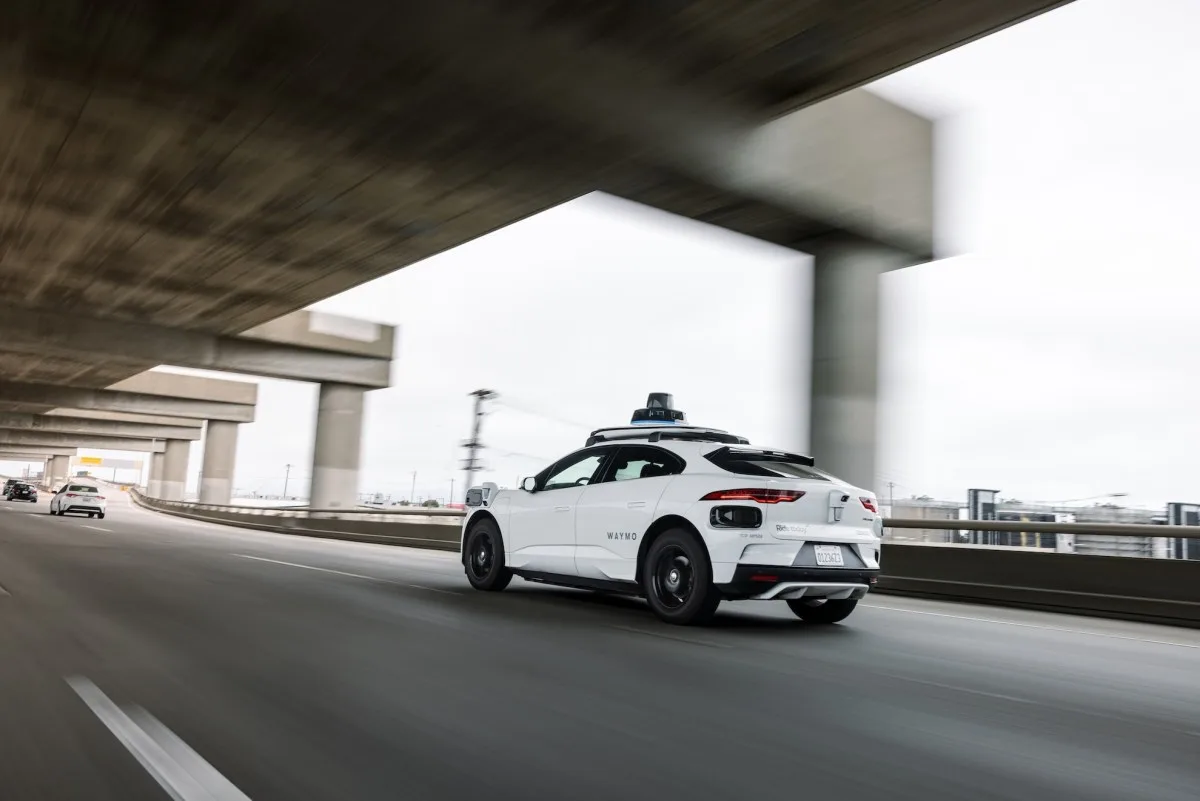
Waymo introduced a new computer model called Reference Driver (ReD) that simulates the behavior of a careful, competent human driver to benchmark autonomous driving safety [1, 2]. The model was developed with TU Delft and published in the journal Nature Communications on June 10, 2026, alongside an announcement that Waymo plans to make the model open source under a non-commercial academic license to aid industry and regulators [1, 2].
ReD uses a framework known as active inference to mimic how human drivers constantly imagine possible futures and choose safe actions accordingly. Unlike earlier models that focused on last-second reactive maneuvers, ReD simulates proactive avoidance and updates beliefs as traffic situations evolve [1, 2]. This includes human driving traits such as "looming" threat judgment and adherence to traffic norms. It also models single-foot driving using a 0.2-second gap between gas and brake inputs [2].
Waymo likens ReD to a behavioral crash dummy offering a more realistic human driver benchmark to evaluate autonomous vehicle behavior [1, 2]. Mauricio Pena, Waymo’s safety chief, said, "Evaluating AV safety is multifaceted, and understanding how a human handles conflict is a critical piece of the puzzle. By establishing this reference model of a competent human response, we can help the industry move toward a shared, scientifically grounded approach for evaluating collision-avoidance behavior" [2].
The model’s development follows a January 2026 incident near a school in Santa Monica, California, when a Waymo robotaxi struck a child at 6 mph. The company’s previous human driver model estimated a comparable human impact speed at roughly 14 mph [1]. The National Highway Traffic Safety Administration and National Transportation Safety Board are investigating that crash [1].
The release of ReD offers a new tool for studying and improving collision avoidance in autonomous vehicles. Waymo’s plan to open source the model aims to provide regulators, researchers, and developers with a scientifically grounded standard for evaluating robotaxi safety across the industry [2].