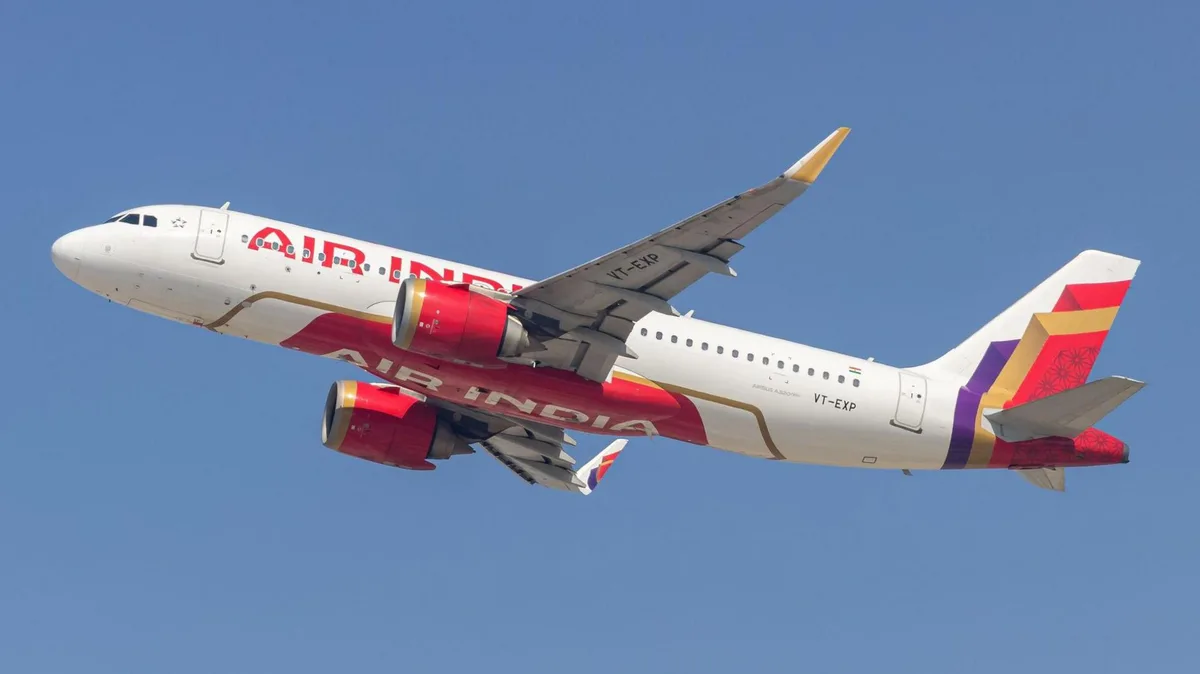
On August 4, 2026, Air India flight AI2379, an Airbus A320-200 flying from Phuket to Delhi, experienced a sudden loss of about 90 meters (300 feet) in altitude due to a loss of hydraulic pressure in all three hydraulic systems in quick succession [1, 2, 3]. This caused key flight controls, including elevators and ailerons, to become unresponsive for approximately four seconds, leading the aircraft to pitch upward while the first officer applied full nose-down input which went unheeded until the hydraulic systems recovered [2, 3].
Despite the alarming control loss, the plane landed safely in Delhi. Between 17 and 24 passengers and crew were reported injured during the incident [1, 2, 3]. The Aircraft Accident Investigation Bureau of India is leading the inquiry, supported technically by Airbus and France's BEA air safety agency [1, 2, 3]. Airbus has revealed that the aircraft endured forces above specified design limits during the event and has requested inspections for possible structural damage, along with tests on hydraulic systems, pressure sensors, switches, wiring, sensor removals for inspection, and detailed maintenance records and pilot reports [2, 3].
Following the incident, Air India confirmed that the flight's captain tested positive for marijuana on a confirmatory drug test. Both pilots have been immediately removed from duty pending full investigation [1]. Air India announced it has initiated drug testing for all its pilots, going beyond regulatory requirements. The airline stated, "This initiative, which goes beyond regulatory requirements, reflects our determination to uphold the highest standards of safety and professionalism, and to provide reassurance to our passengers, stakeholders and the community at large." [1]
Additionally, starting August 18, 2026, Air India Express pilots will also be subject to substance testing [1].
The airline initially described the event as related to turbulence but later removed that description, acknowledging the incident was caused by a sudden loss of altitude linked to hydraulic failure [2, 3]. This episode adds to scrutiny of Air India’s operational safety, following the June 2025 crash of an Air India flight from Ahmedabad to London that killed all 241 onboard and 19 on the ground [1].
The investigation continues with focus on the hydraulic system faults and pilot conduct. Airbus analysis from August 14, 2026, provided key technical findings that will guide upcoming inspections and safety recommendations [2, 3].