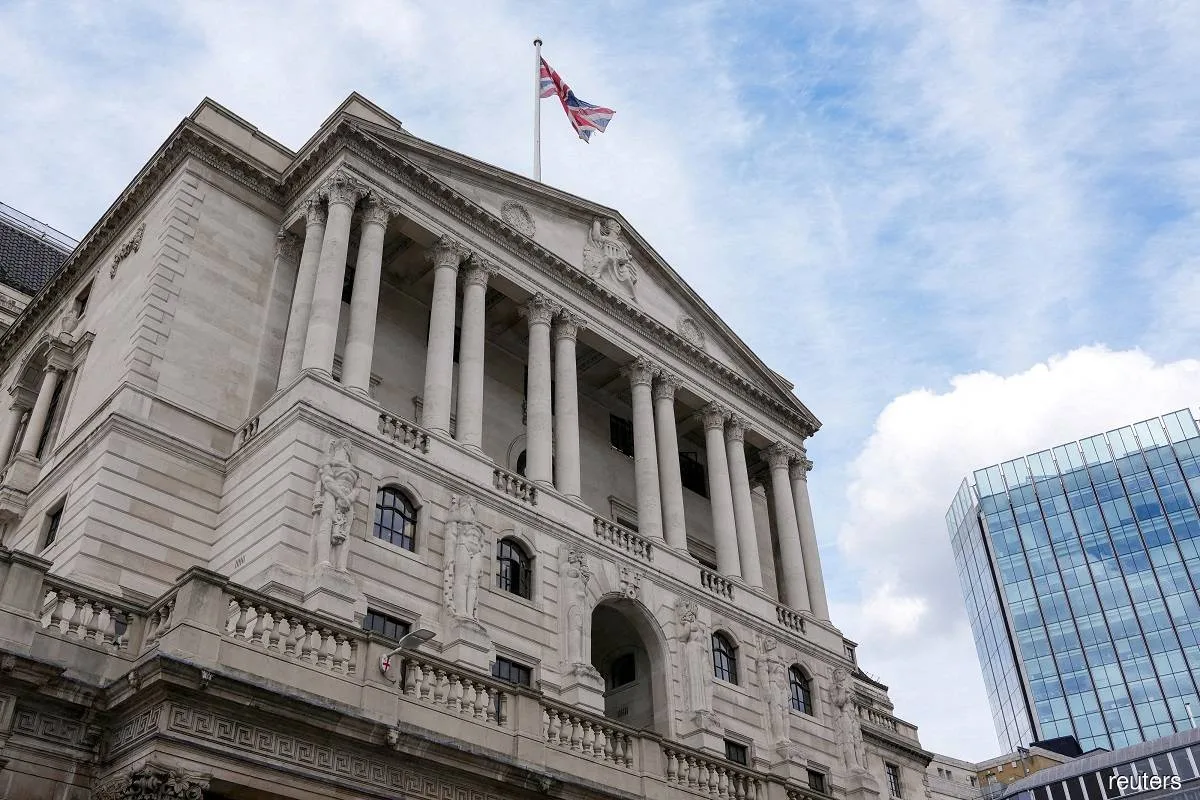
The Bank of England's Monetary Policy Committee voted 6-3 on July 30 to keep the base interest rate at 3.75% [1, 2, 3, 4, 5, 6, 7, 8]. Three members—Megan Greene, Huw Pill, and Catherine Mann—dissented, favoring a 25 basis point increase to 4% to curb potential inflation risks [2, 3, 4, 7].
Governor Andrew Bailey said inflation dropped faster than expected to 2.6% in June but warned that the ongoing Middle East conflict and volatile energy prices could push inflation higher later this year. He said, "Inflation has fallen faster than we’d expected, but the conflict in the Middle East continues to mean high and volatile energy prices. That will cause inflation to rise again later this year. However the conflict unfolds, our job is to make sure any increase in inflation is temporary and that it comes back to our 2% target" [1, 9, 3, 5, 6, 7, 8].
The Bank cautioned that a prolonged war and oil prices above $100 per barrel could drive UK inflation above 4%, possibly reaching 4.5% by mid-2027 [1, 2]. Oil prices briefly surpassed $100 per barrel in July amid escalating conflict, adding upward pressure to inflation [1, 4, 5, 6, 8]. However, the central forecast assumes oil prices will fall to about $71 a barrel later in 2026, leading to inflation peaking around 3.2% by late 2026 [1, 2, 4].
So far, the Bank sees little evidence of second-round effects such as wage or price increases spreading from higher energy costs [9, 4, 7]. Governor Bailey said holding the bank rate is appropriate as global conditions are uncertain and inflationary, while domestic inflation pressures remain relatively benign [4].
On the dissenters’ side, Megan Greene said a "proactive hike in Bank Rate may reduce the probability that second-round effects set in," while Huw Pill warned of "profound uncertainty surrounding the energy price outlook" making precise monetary policy difficult [3].
UK inflation fell from 3.8% last year to 2.6% in June 2026 [1, 3, 7]. New Prime Minister Andy Burnham announced policies including removing VAT on electricity bills and capping bus fares to reduce living costs, which may lower inflation by around 0.1 percentage points starting in October [1, 2].
The Bank remains ready to adjust policy if inflation risks become clearer [2, 4, 7]. Its next interest rate decision is scheduled for September 17, 2026 [7].