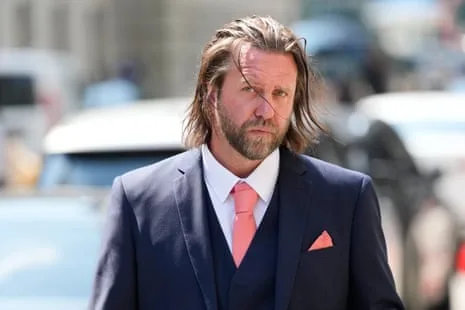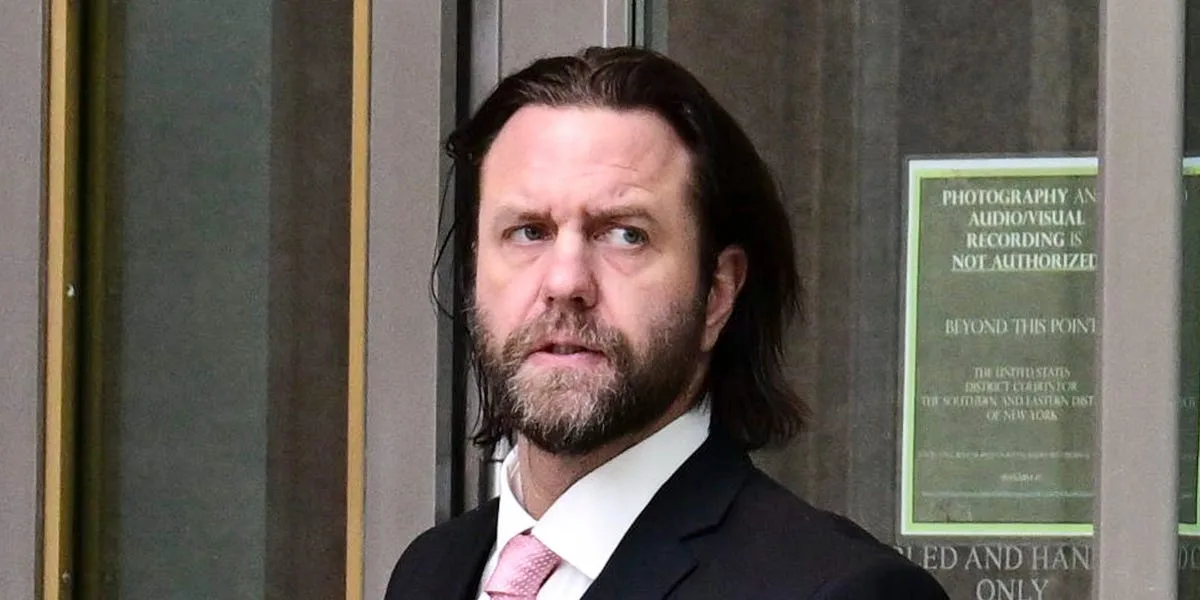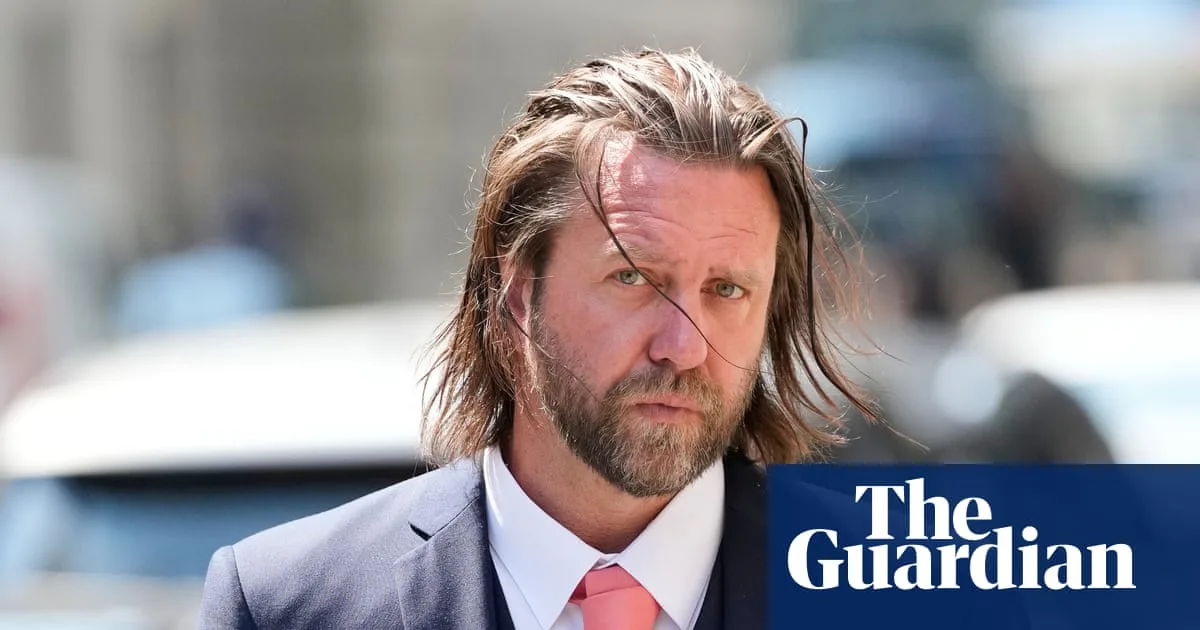
Carl Rinsch, 48, was sentenced on June 29, 2026, by US District Judge Jed Rakoff to 30 months in prison and ordered to forfeit $11 million for defrauding Netflix [1, 2].
Rinsch was convicted in December 2025 of wire fraud, money laundering, and related charges tied to an $11 million fraud connected to a sci-fi series Netflix commissioned him to create and direct. The series was initially called White Horse and later renamed Conquest [1, 3, 4, 2].
Netflix initially provided about $44 million to $55 million in funding before the $11 million at issue, according to different reports [3, 4, 2]. After receiving the $11 million payment in 2020, Rinsch diverted the funds instead of producing the show [1, 4, 2]. US Attorney Jay Clayton said, "Instead of using the money to make the show, Rinsch made risky bets on highly speculative stock options and cryptocurrency, and spent millions of dollars on luxury goods for himself" [1].
Rinsch moved the money into personal accounts and spent millions on speculative stock options, cryptocurrency, and luxury items. His luxury purchases included five Rolls-Royces and a Ferrari, as well as an expensive mattress costing up to $638,000 [1, 3, 4]. The judge noted the excessive number of luxury cars suggested Rinsch was not motivated solely by greed but possibly was in a manic state of mind. "If he had purchased one Rolls-Royce, or even maybe the Rolls-Royce and the Ferrari, that would have been at least consistent with the view you're now expressing. But he purchased five Rolls-Royces plus the Ferrari," Rakoff said [4].
Rinsch and his lawyers cited mental health struggles and medication problems during the legal proceedings as factors in his misuse of funds [3, 4]. Actor Keanu Reeves, who starred in Rinsch's 2013 film 47 Ronin, wrote a letter to the judge asking for leniency. Reeves described Rinsch as "an exceptional artist prone to self-sabotage" and expressed hope the sentence might be tempered with mercy [1, 3].
Netflix never received any finished episodes or seasons of White Horse/Conquest, leaving the project uncompleted [1, 2]. Rinsch acknowledged his faults, saying, "This process has forced me to confront things about my health, my judgment and my life" and vowed, "I will spend every day of the rest of my life working to restore the trust I've lost" [3, 4].
The sentencing marks the latest action following Rinsch's December 2025 conviction. He is expected to serve his prison term beginning immediately.