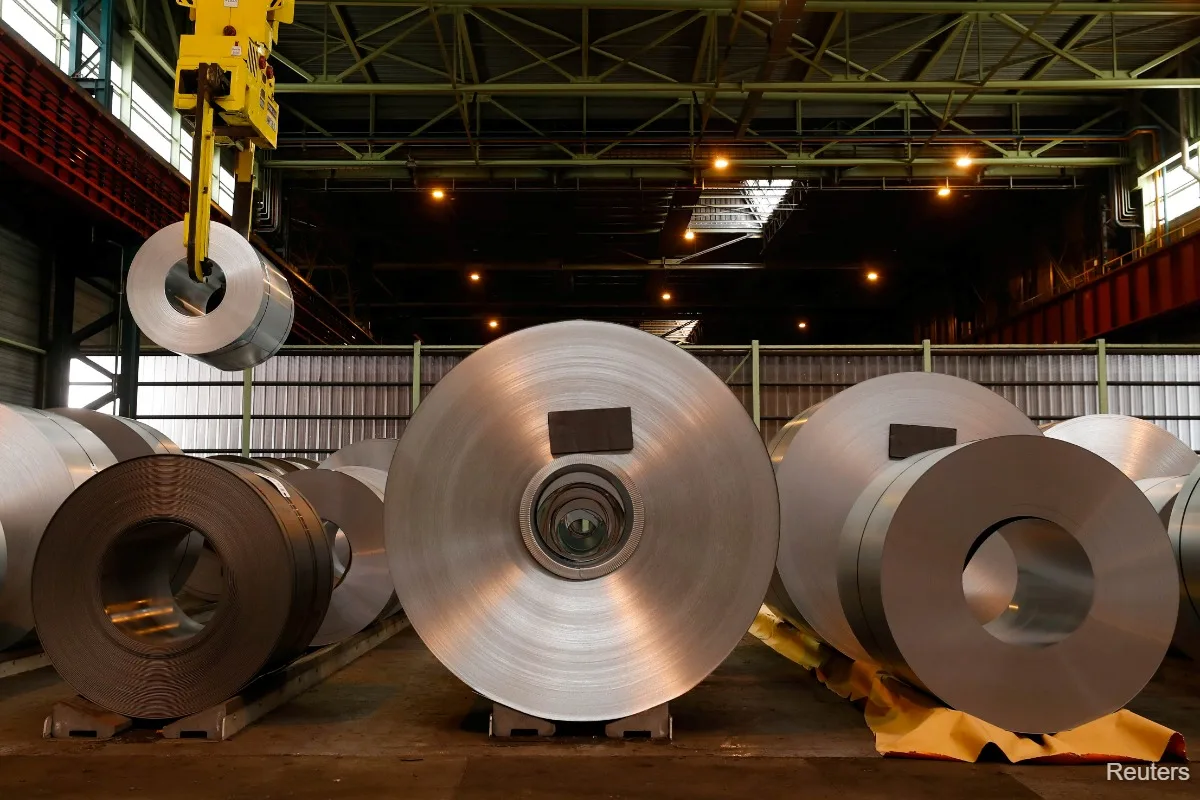
The European Commission introduced new steel import quotas limiting duty-free steel imports into the EU to 18.3 million tonnes annually, a 47% reduction from previous levels, effective July 1, 2026 [1, 2, 3, 4]. Imports exceeding this quota face a 50% tariff on 26 categories of steel products [5, 1, 2, 3, 4].
Half of the annual quota is reserved for countries covered by free trade agreements (FTAs), including 13 nations such as the UK, Switzerland, India, and South Korea. The remaining half is open to all trading partners, including FTAs [5, 1, 2, 3, 4]. Many partners received country-specific quotas proportional to their historic export volumes to the EU [5, 1, 2, 4].
The EU aims to raise steel capacity utilization from about 67% to 80% through the new measures [5, 1, 2, 4]. The Europe Steel Association (Eurofer) estimates the quota system could boost EU steel output by roughly 15 million tonnes, offsetting about half of recent production losses. Eurofer director Axel Eggert said, "欧盟钢铁产量可能增加约1500万吨,这大约相当于近年來損失產量的一半。埃格特认为,这项措施还应扩展到下游行业,例如生产层压钢板或汽车冲压钣金的企业。" [1, 2, 4]
The rules also introduce traceability requirements to improve supply chain transparency, including disclosure of the production melt and pour stages for imported steel [3].
The European Commission stated, "This represents a vital step towards ensuring the long-term viability of a strategically crucial European industry," explaining the measures respond to persistent global steel overcapacity that distorts markets and harms fair competition [3, 5]. Some trading partners have provisionally agreed to their quota allocations following World Trade Organization discussions [5, 3].
The quota system and tariff mechanism took effect on July 1, 2026, following the announcement on June 30 by the European Commission [5, 1, 2, 3, 4].