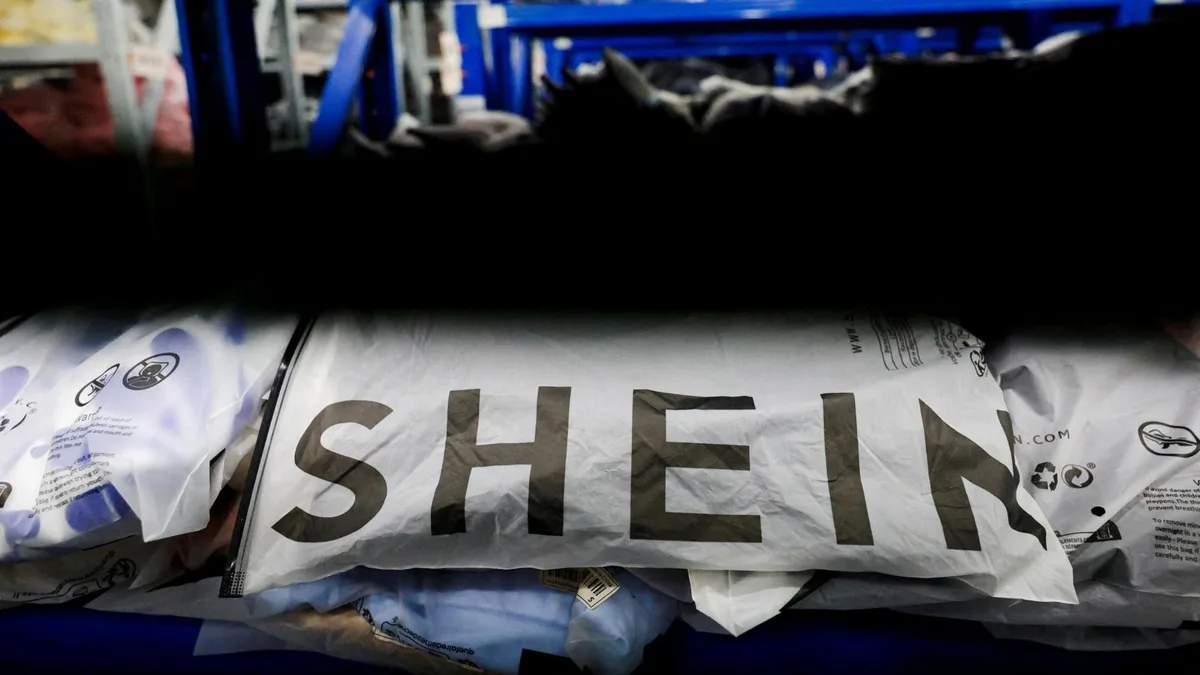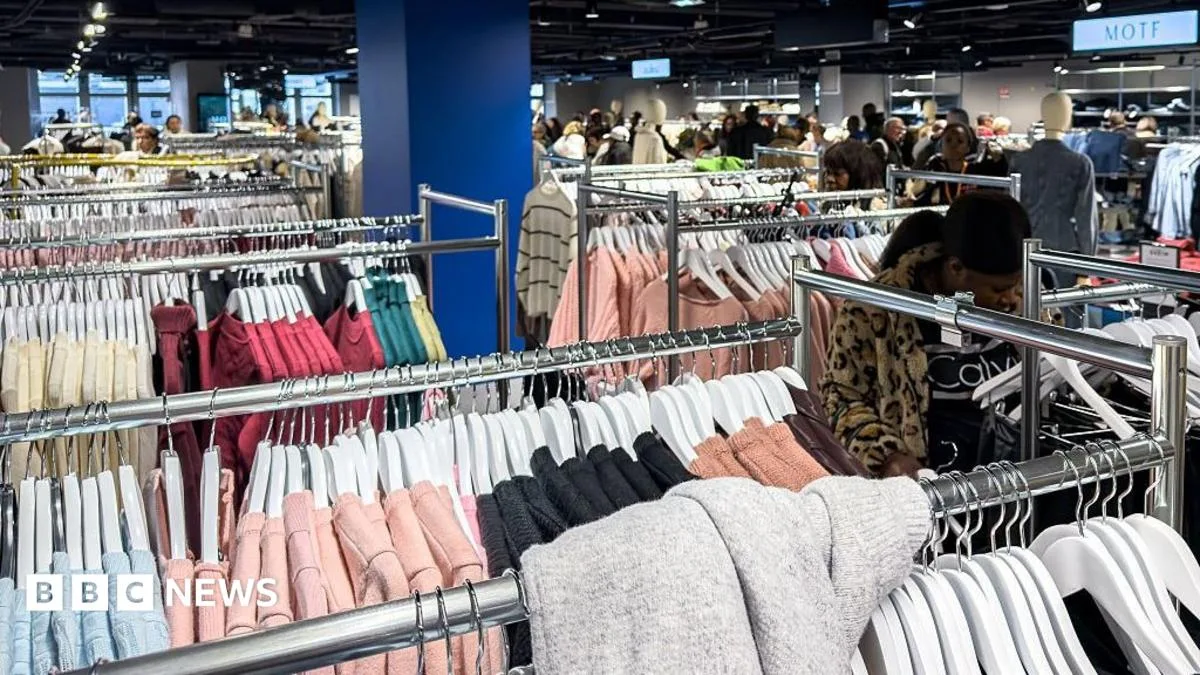
France introduced a new levy on ultra-fast fashion items sold by overseas platforms including Shein, Temu, and AliExpress starting September 1, 2026 [1, 2, 3]. The law was passed by the French Parliament in June 2026 and came into effect three months later [1, 2, 3].
The fees are calculated based on two criteria: the volume of clothing placed on the French market and the repair cost relative to the product's purchase price [1, 2, 3]. Products with over 16,000 references per season across five categories are targeted; Shein alone offers more than 1.7 million references annually [3].
Initial 2026 fees range from €0.50 for underwear to €12 for jackets, with incremental increases leading to a maximum cap of €19.50 per item by 2030 [1, 2, 3]. The penalty per product is limited to half of its pre-tax price [1, 2, 3]. A disagreement exists on the initial levy for T-shirts, cited as €2 by some sources [1, 2] and €6 by another, increasing to €8.25 by 2030 [3].
The levy applies only to non-European ultra-fast fashion sellers; European fast-fashion retailers like H&M, Zara, Uniqlo, and Primark are exempt [1, 2, 3]. France has already imposed a related tax on small parcels from China since July 1, 2026, which reduced parcel volumes by 30-40% [2, 3].
The levy costs could be passed on to consumers as higher prices or separate fees at checkout [3]. French Environment Minister Mathieu Lefevre said, “The harmful effects of ultra-fast fashion on the environment and economy are well known,” emphasizing the environmental rationale behind the law [1, 2].
Shein, valued at $26.2 billion on its recent Hong Kong trading debut, criticized the legislation, saying it would “worsen the purchasing power of French consumers” amid a cost-of-living crisis [1]. Temu acknowledged the environmental concerns raised by the law [1].
China’s commerce ministry condemned the French measure as discriminatory and contrary to World Trade Organization rules, warning of retaliation [1, 2]. French authorities are developing independent data collection tools to verify compliance rather than relying solely on industry information [2].