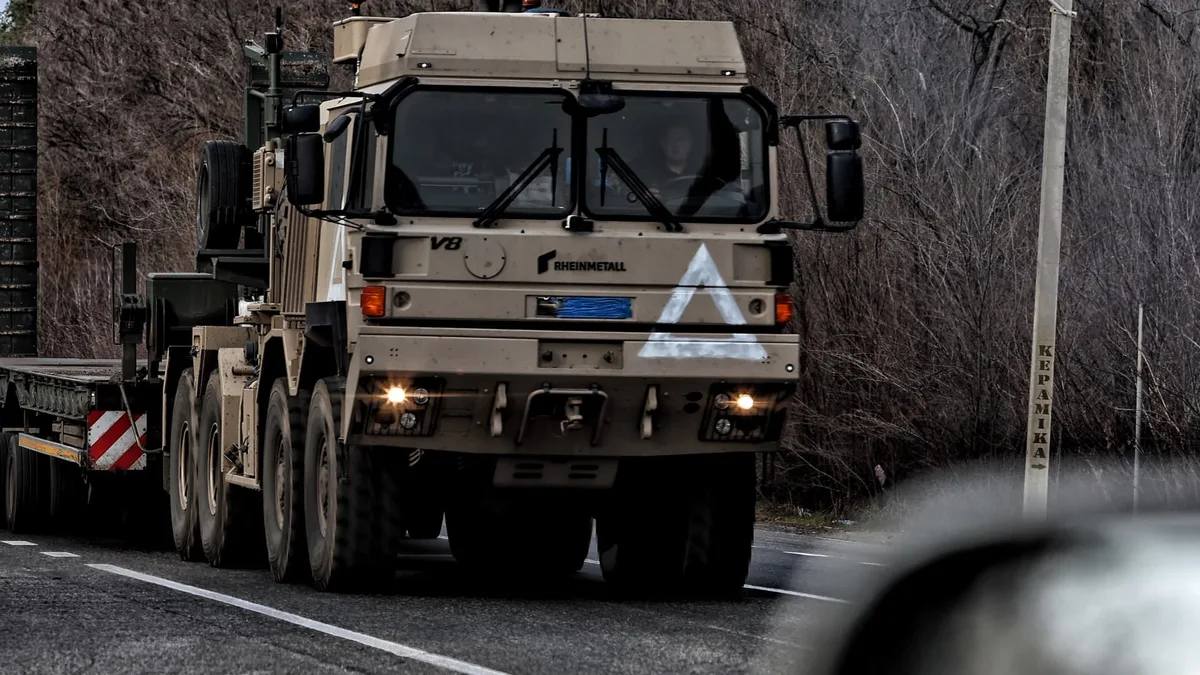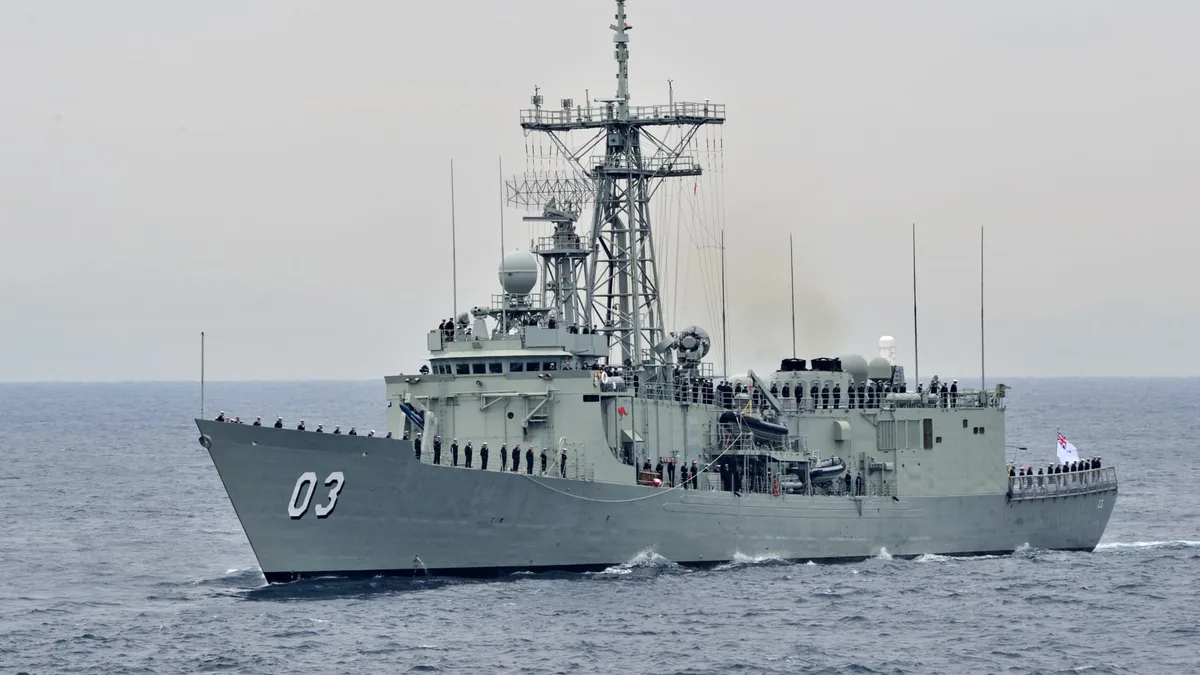
Germany officially canceled its plans to procure six F126 anti-submarine frigates from Damen, shifting instead to order eight smaller Meko A-200 frigates from TKMS on June 24 [1, 2, 3, 4, 5]. The F126 program, valued at around €12 billion, was expected to be led by Rheinmetall, but suffered significant delays, rising costs, and risks after the prime contractor role shifted from Damen to Rheinmetall [1, 3, 4, 5].
German Defense Minister Boris Pistorius confirmed the cancellation, citing problems with the Dutch shipbuilder Damen as the main cause of delays [4, 5]. Construction on the first F126 vessel began in 2023 but progress was hindered by management changes and technical challenges [4].
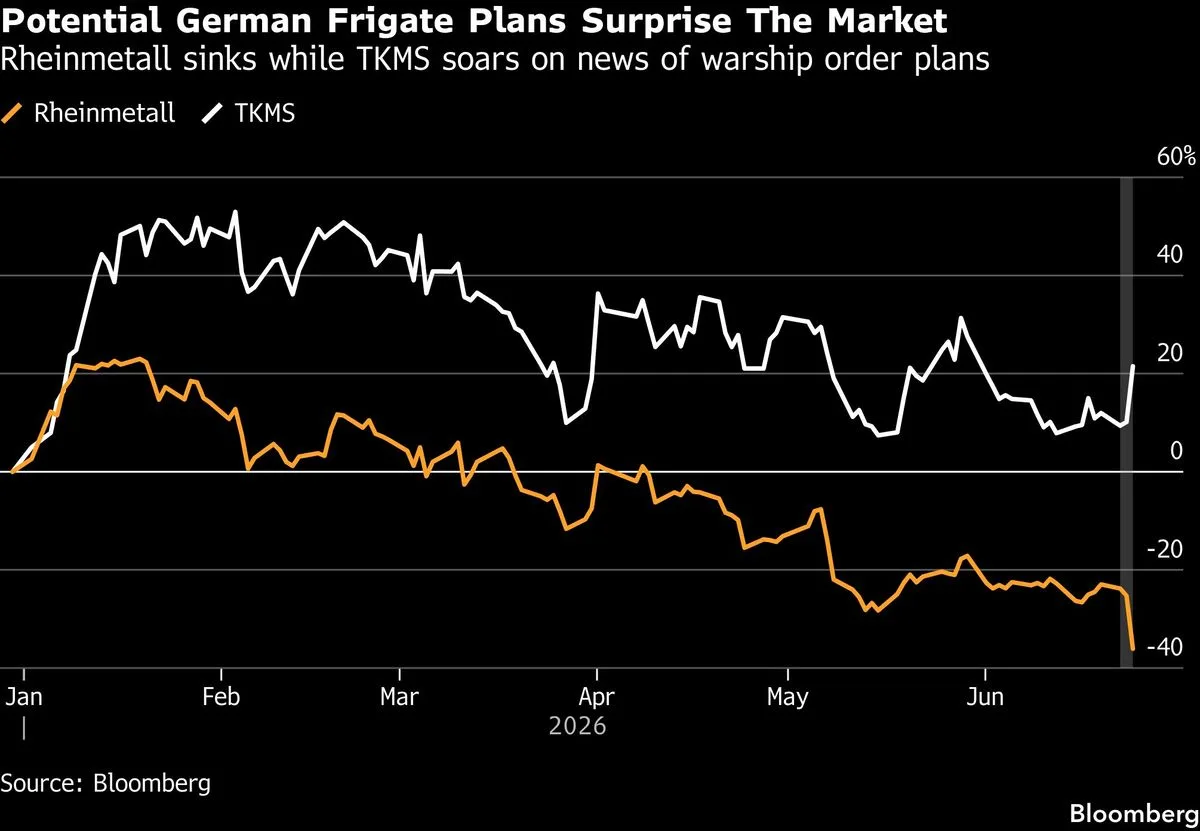
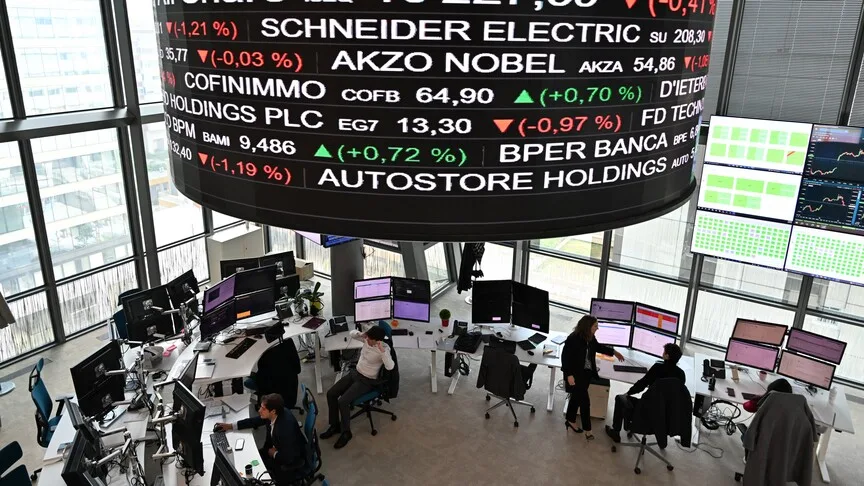
Rheinmetall shares plunged between 17% and 19% on June 24, posting their biggest intraday drop in decades, with analysts estimating potential writeoffs around €2 billion due to the cancellation [1, 3, 4, 5]. By contrast, shares of TKMS, the new frigate supplier, rose by as much as 15% following the announcement [1, 3, 4, 5]. Other European defense stocks including Hensoldt, Renk, Saab, Leonardo, and BAE Systems also fell amid market concerns [2, 3, 4, 5]. The German DAX index dropped 0.62% that day, pressured by sharp declines in defense sector stocks including Rheinmetall and Renk [5].
JP Morgan analyst David Perry commented, "This news reminds us that [governments] can and do change their minds," adding that Germany will continue to spend heavily on defense procurement in the coming years. "We are absolutely convinced that Germany will spend a lot of money on defence procurement in the next 5+ years and that it will buy significant amount of land vehicles and ammunition from [Rheinmetall]," said Perry. He noted the cancellation was a reminder that some of Rheinmetall's business assumptions may prove incorrect [3].
The F126 cancellation marks the largest naval procurement cancelation in Germany since World War II [2, 4]. The German government has decided to buy the smaller Meko A-200 frigates from domestic manufacturer TKMS as a more reliable and timely solution [1, 2, 3, 4, 5].