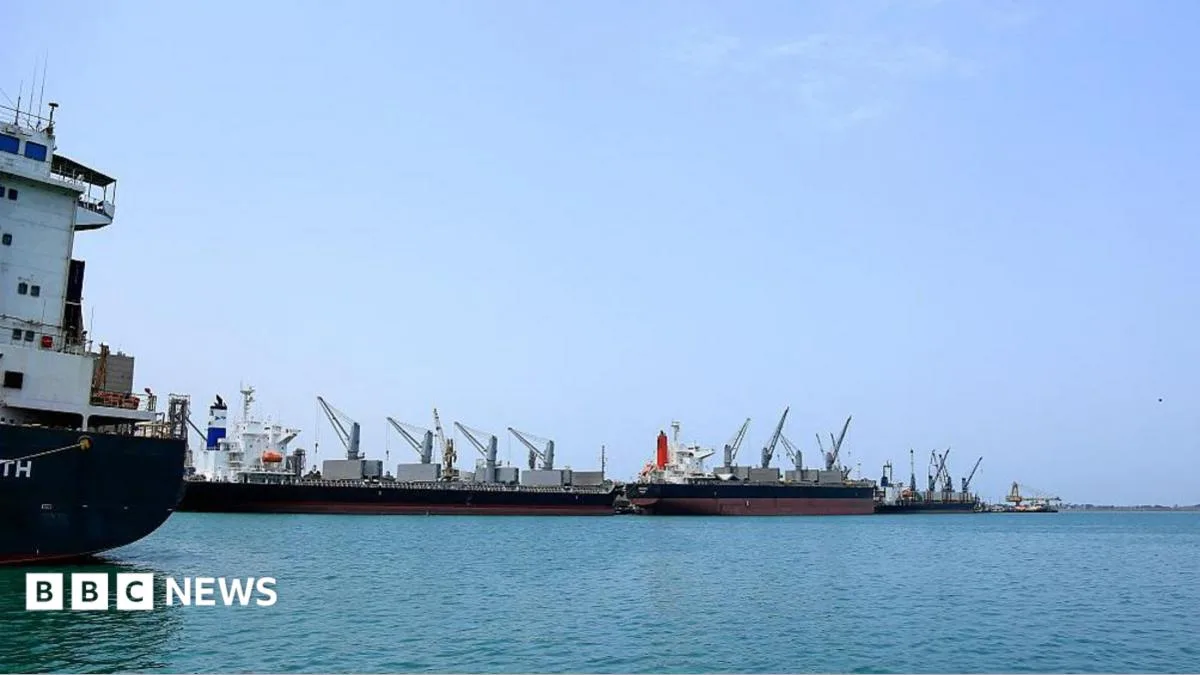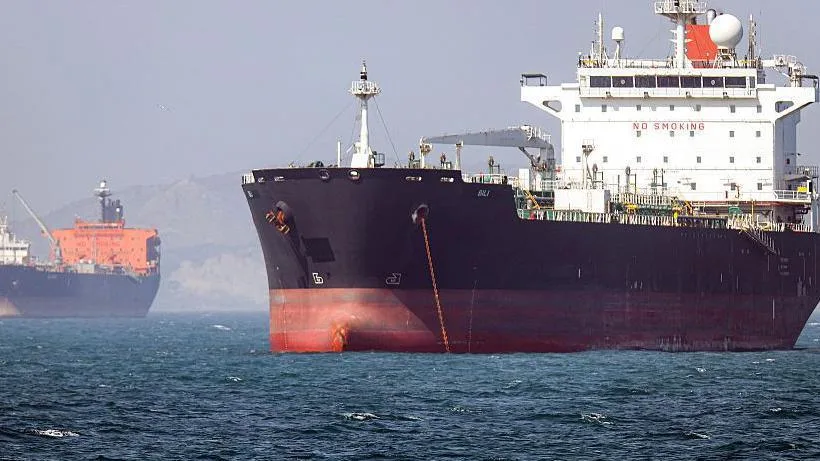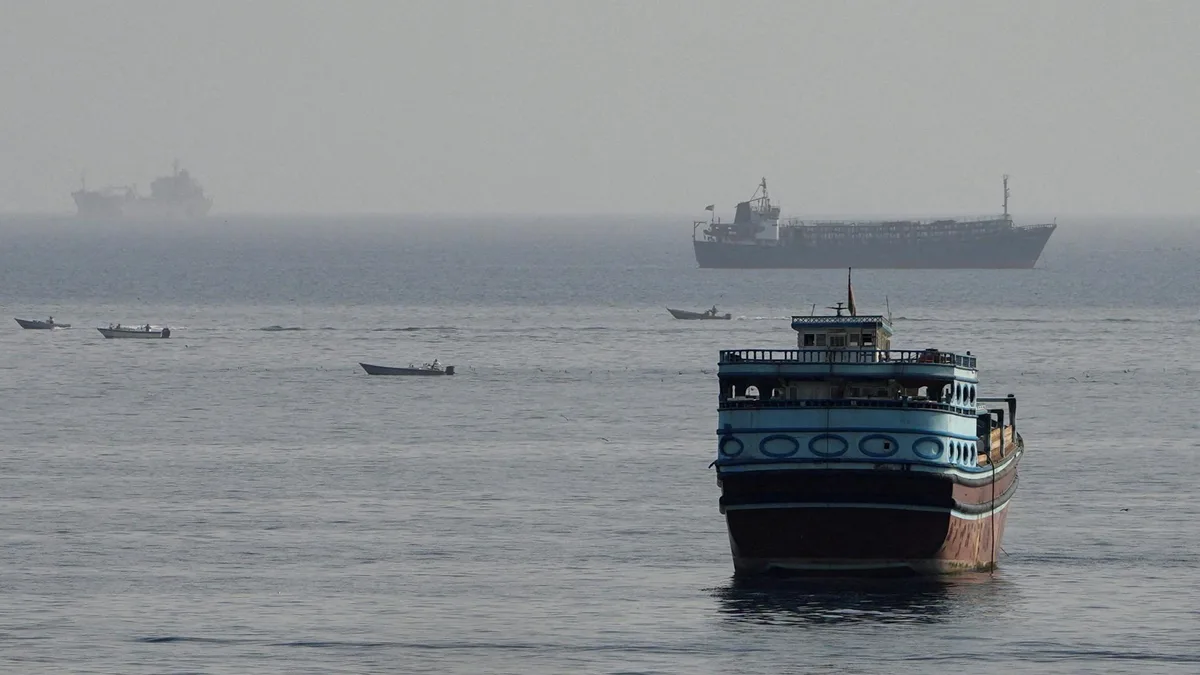
An Indian-flagged commercial vessel, MSV Faize Noore Oliya, capsized and sank in the Red Sea about 13 nautical miles south of Al Hudaydah, Yemen, after being hit by a projectile or explosives-laden boat on August 4, 2026 [1, 2, 3, 4].
All 14 crew members aboard—13 Indian nationals and one Yemeni—were safely rescued by the Yemeni Coast Guard and Navy [1, 2, 3, 4]. Sarbananda Sonowal, India's Shipping Minister, labeled the attack as "unprovoked" and promised that steps would be taken to ensure the safety of seafarers in the region [1].
Yemen's internationally recognized government, backed by Saudi Arabia, accused the Iran-aligned Houthi forces of carrying out the attack using an explosives-laden boat [1, 3, 4]. The Houthis have not commented on or claimed responsibility for the incident [1, 3, 4].
The Red Sea route has been turbulent this year since February 2026, when Iran blocked the Strait of Hormuz, forcing traffic onto alternative routes through the Red Sea [1, 2, 3]. The Houthis announced a naval blockade on Saudi Arabia's Red Sea ports on July 20, 2026, adding further disruption to shipping in the area [1, 4].
This attack follows a series of hostile actions targeting commercial vessels linked to ongoing conflicts involving the US, Iran, Saudi Arabia, and Yemen [1, 2, 3, 4]. Indian refiners have responded to the risks by switching to Middle East cargoes delivered via safer routes following previous Houthi attacks on Saudi tankers [2, 3].
India’s Ministry of External Affairs is actively coordinating with Yemeni authorities regarding the attack and ongoing security in the Red Sea region [1, 2, 3]. The next developments are expected as investigations continue and measures to protect commercial shipping in the Red Sea are reviewed.