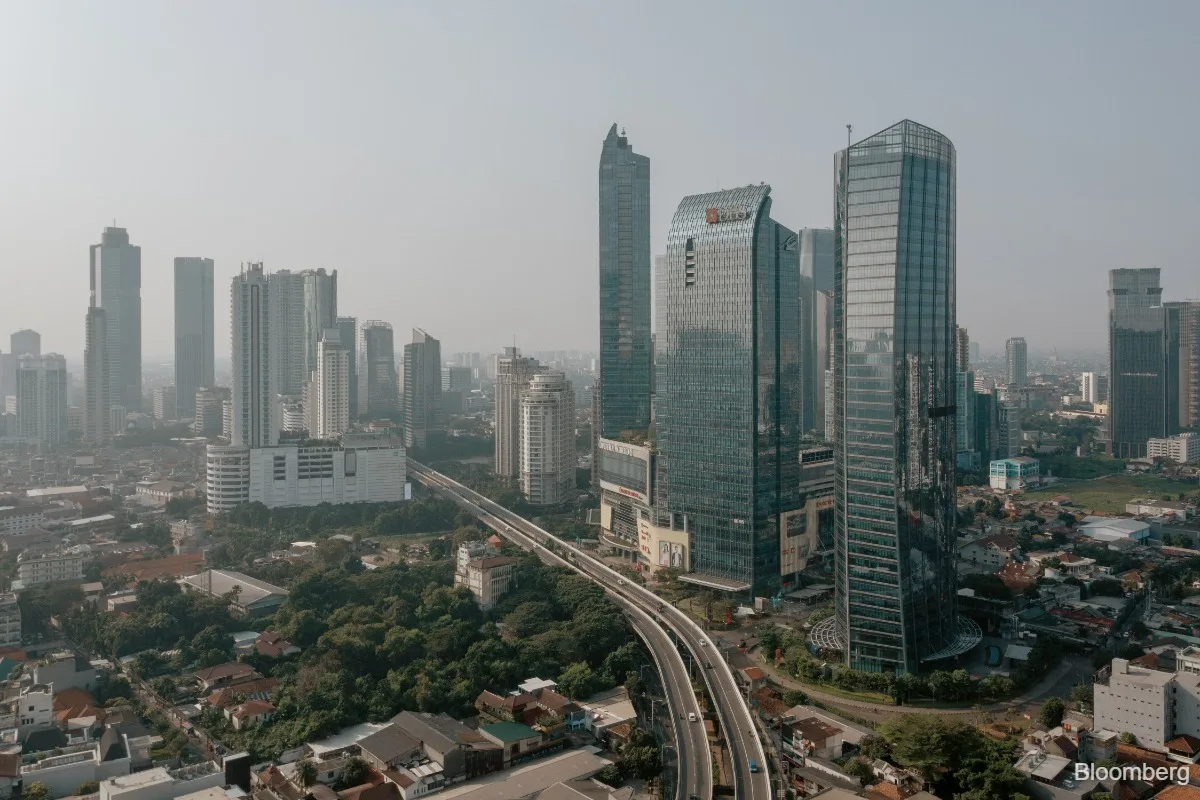
Indonesia's gross domestic product (GDP) expanded by 5.29% year-on-year in the second quarter of 2026, down from 5.61% growth in the first quarter but above analyst estimates of roughly 5.1-5.14% [1, 2, 3, 4]. Household spending softened during the quarter, partly due to the absence of a major Islamic holiday and rising fuel prices linked to the prolonged Iran war, which squeezed budgets [1, 3, 4]. Photo reports from Bali showed shoppers adjusting to higher fuel costs by late June [1, 4].
Government spending rose by 15.97% in Q2, decelerating from a 21.81% surge in Q1, while investment showed acceleration to 6.87% growth [3]. DBS Bank economist Radhika Rao noted, "A sharp pick-up in public spending was a key contributor, while consumption received a hand from stimulus measures and limited pass-through of elevated global energy prices" [3].
The Indonesian rupiah strengthened about 0.6% after GDP figures were released but remains near record lows, having lost 5% against the dollar in the previous quarter [2, 3]. Sector performance was uneven: mining contracted due to quota restrictions, manufacturing growth slowed, but construction posted its strongest expansion in nearly two years [3].
Investor confidence remains fragile amid concerns over government overspending and the central bank's independence, prompting worries about potential downgrades to Indonesia’s equities and credit rating outlook [2, 3]. The government targets 6% GDP growth for all of 2026 and has allocated approximately US$1.5 billion in economic incentives to support the economy [2]. Bank Indonesia raised interest rates by 100 basis points to address inflationary pressures connected to higher fuel prices [2].
Political anxieties mirror economic uncertainty. President Prabowo Subianto’s approval rating plunged from 81.2% in November 2025 to 51.1% in July 2026, according to a survey by SMRC [5]. Deni Irvani, executive director at SMRC, said, "This decline in public satisfaction levels is closely related to the decline in positive sentiment towards economic, political and law enforcement conditions" [5]. A recent poll showed Prabowo trailing West Java Governor Dedi Mulyadi in hypothetical presidential election scenarios [5].
Data for the second quarter covers April through June 2026, with political polling reported in July 2026 [1, 2, 3, 4, 5]. The government is set to continue monitoring economic pressures as it seeks to meet its growth projection throughout the year.