Japan is intensifying efforts to collect used cooking oil through its 'Fry to Fly' public-private partnership as part of a broader push to expand sustainable aviation fuel (SAF) production domestically [1]. The initiative draws participation from around 300 entities, including a small supermarket in Tokyo, pooling feedstock for SAF [1].
Currently, Japan produces about 30,000 kilolitres of SAF annually, just 0.3% of its total jet fuel consumption [1]. The country aims to source 10% of its airline fuel—around 1.7 million kilolitres—from sustainable sources by 2030 [1]. However, Japanese airlines All Nippon Airways (ANA) and Japan Airlines warned in May 2026 that scaling up SAF production faces a "reality far harsher than expected," reflecting supply bottlenecks and high costs [1].
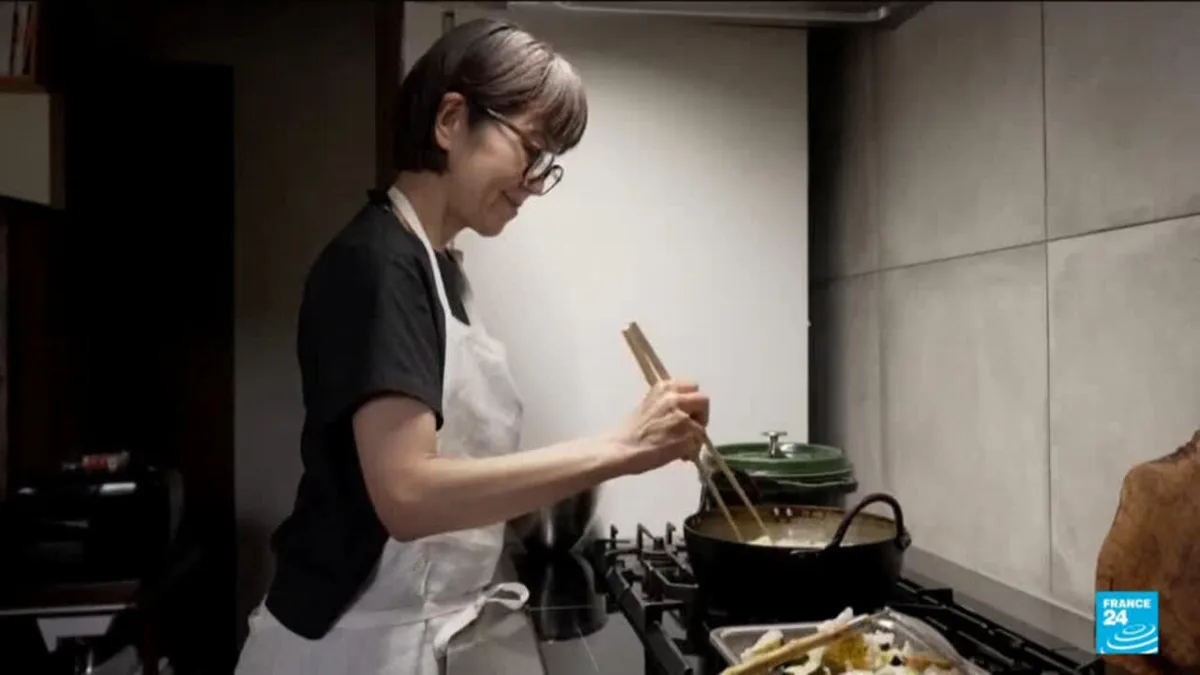
To meet its target, Japan is counting on increased consumer contributions of used cooking oil to support domestic SAF output [1]. Homemaker Maki Watanabe donates about 40 litres annually and said, "It would take a tremendous amount to make an aircraft fly, so I hope we can collect more" [1]. The growing urgency stems from limited domestic feedstock, which may force Japan to rely on costly imported supplies and incur penalties, driving up airline expenses [1].
The aviation sector broadly struggles with SAF uptake due to high production expenses, although global interest persists. Around a fifth of SAF projects announced by airlines have materialized worldwide [1]. For context, Singapore plans a modest 1% SAF target mostly supported by imports [1].
Japan’s refiners must make final investment decisions on SAF production capacity by March 2027 to enable mass output by 2030 [1]. The timeline marks a critical deadline for the public-private partnership and industry to align on building the needed infrastructure and feedstock supply chains.
The government's enhanced drive to collect cooking oil and stimulate domestic SAF production underlines its commitment to reduce aviation emissions and grow sustainable fuel supply amid cost and feedstock challenges [1].